Citizen Scientists Uncover Hidden Patterns in Earth’s Magnetic Field Using Sound
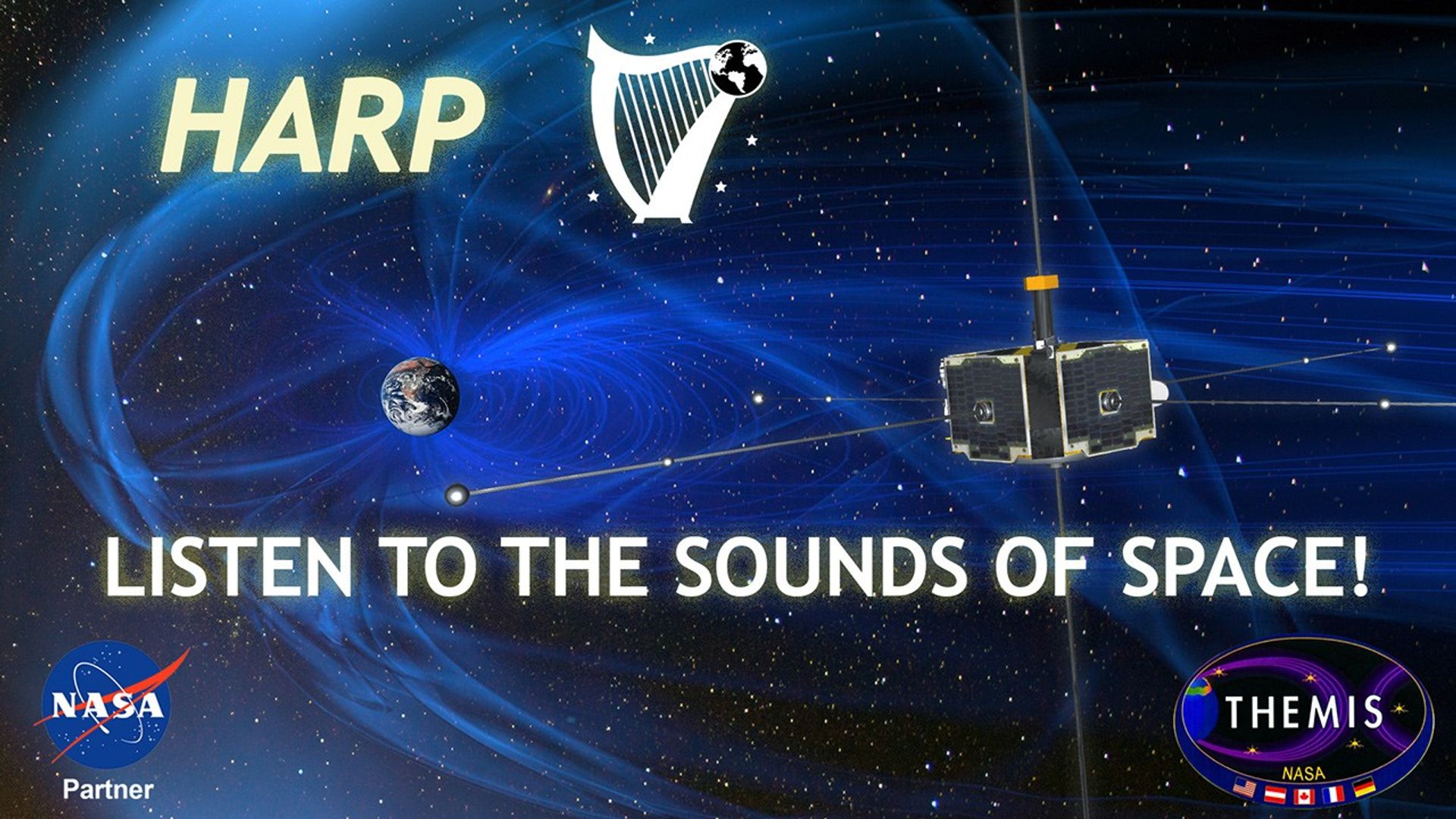
A pioneering citizen science initiative known as Heliophysics Audified: Resonances in Plasmas (HARP) has achieved a major breakthrough by using human auditory perception to decode the complex plasma waves that surround our planet. By converting magnetic field data collected by the THEMIS mission into audible sound, volunteers were able to interpret Earth’s magnetic environment as a series of distinct musical resonances. This unique methodology enabled participants to identify subtle, rhythmic patterns that had previously gone unnoticed through traditional visual data analysis.
The project reached a significant milestone when volunteers identified an unexpected anomaly in plasma wave behavior. While established scientific models predicted that wave frequencies should consistently increase as they approach the planet, the audio data revealed instances where lower pitches occurred closer to Earth and higher pitches were found further away. This discovery directly challenges existing theories regarding how space weather disturbances propagate through the Earth’s protective magnetic shield.
These findings, recently published in the journal Frontiers in Astronomy and Space Sciences, offer a new framework for understanding the mechanics of geomagnetic storms and their potential risks to global power infrastructure. The success of the HARP initiative highlights the essential role of public participation in modern research. By involving volunteers in the data analysis process, the project has not only advanced our understanding of space weather but has also significantly increased public engagement with physics and planetary science.
Key Takeaways
- Citizen scientists successfully used audio conversion to detect plasma wave patterns that visual analysis failed to identify.
- The project uncovered a plasma wave anomaly that contradicts current scientific models regarding frequency behavior.
- The findings provide critical data for improving the prediction of geomagnetic storms and protecting global power infrastructure.
Editor’s Analysis & Impact
The HARP project marks a significant shift in how researchers process massive datasets within space physics. By utilizing the human brain’s innate ability to recognize auditory patterns, scientists have effectively bypassed the limitations of traditional visual data processing. This methodology has profound implications for the future of space weather forecasting, as it allows for the rapid identification of anomalies that could signal incoming geomagnetic disturbances. As global reliance on satellite technology and power grids increases, the ability to accurately model these magnetic fluctuations becomes a matter of economic and national security. Furthermore, this initiative proves that citizen science is a robust, scalable framework capable of producing high-impact, peer-reviewed discoveries, potentially accelerating the pace of innovation in complex fields like heliophysics.
Frequently Asked Questions
Q: How does converting magnetic data into sound assist researchers?
A: Human hearing is exceptionally sensitive to patterns and frequency shifts, allowing volunteers to detect anomalies in plasma waves that are often overlooked when analyzing complex visual graphs.
Q: Why is the discovered plasma wave anomaly important?
A: The discovery challenges existing space weather models, indicating that our current understanding of how waves propagate through Earth's magnetic field requires revision to account for these unexpected frequency shifts.
AI Disclosure: This article is based on verified data and official reports. Our Team and AI have cross-referenced every financial detail with primary sources to ensure total accuracy.
More from this Category