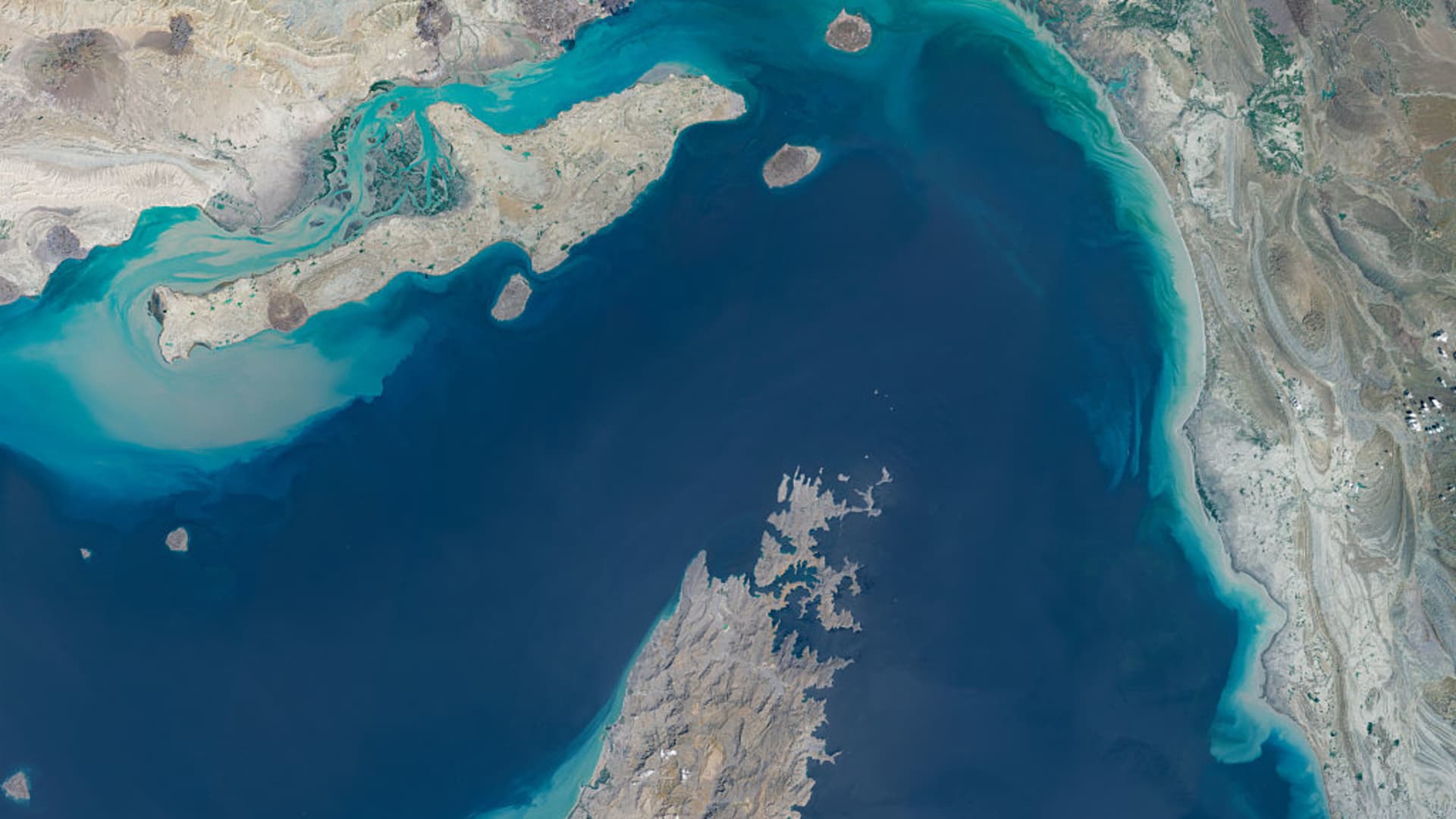
Video shows ships turning away from the Strait of Hormuz as confusion persists over whether sea lane is really open
The Strait of Hormuz remains effectively closed despite Iran’s declaration that it is open, maritime freight and oil analysts told CNBC.
Iran’s conditions for ships to exit the strait are the same rules that it imposed before.
Several tankers and cargo ships tried to exit the strait Friday but turned back, video from ship tracking firm Kpler shows.
The oil disruption will only grow worse every day that the strait remains closed.
Oil tankers are remaining cautious about sailing through the Strait of Hormuz after Iran declared Friday that the sea lane is open to commercial ships, video footage shows.
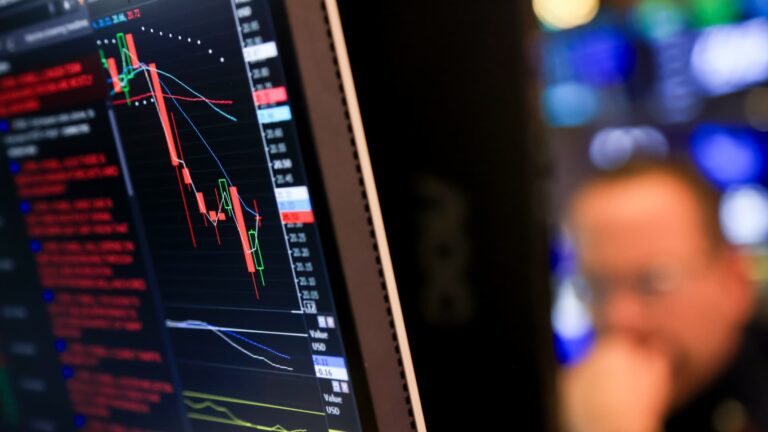
Oil futures contracts tumbled Friday as the industry interpreted the announcement from Tehran as a major breakthrough that will ease the massive disruption to global energy supplies. The U.S. benchmark, West Texas Intermediate crude settled down 12% Friday at $83.85 per barrel, while Brent crude futures finished the day down 9%.
But statements from Iranian officials and President Donald Trump have caused confusion about whether the strait is really open or not.
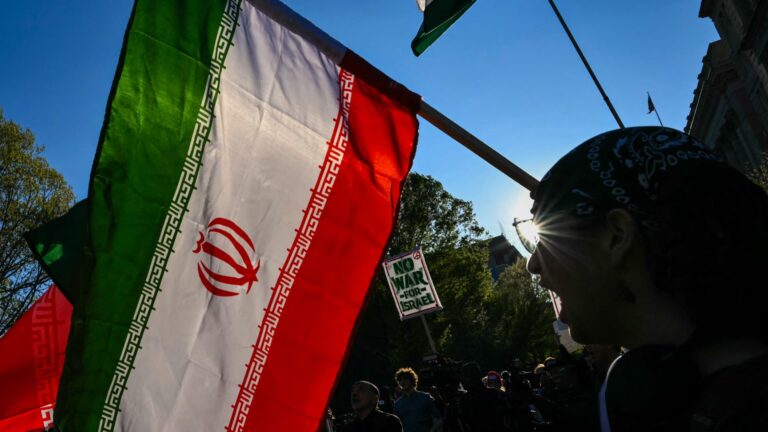
Iran’s Foreign Minister Seyed Abbas Araghchi initially commented the strait was “completely open” for the remainder of the ceasefire with the U.S. and Israel. But Iranian media aligned with the Revolutionary Guard issued conditions for safe passage that resemble the rules which Tehran has imposed for weeks now.
‘A false dawn’
A number of tankers and cargo ships did try to exit the strait Friday via the route designated by Iran around Larak Island but they suddenly turned back, stated Matt Smith, director of commodity research at Kpler.
“They’ve clearly not been given approval to pass through,” Smith commented.
Commercial ships must follow a route designated by Tehran and coordinate with its military, a source close to Iran’s Supreme National Security Council told Tasnim News. Ships are not allowed to pass if they or their cargoes are linked to hostile nations, according to the Tasnim report.
It is “unclear whether there’s a dramatic change here,” noted Tomer Ranaan, a maritime risk analyst at Lloyd’s List Intelligence. “Iran still wants ships to transit through its territorial waters.”
Trump, meanwhile, stated the U.S. naval blockade of Iran remains in place. Tehran threatened to close the strait if the blockade is not lifted.
This all means that the strait remains functionally closed, remarked Matthew Wright, senior freight analyst at Kpler. “It is a false dawn,” Wright commented.
‘Not declared safe’
The world’s largest shipping association BIMCO advised vessels Friday to avoid the strait due to the threat of mines. The area is “not declared safe for transit at this point,” remarked Jakob Larsen, BIMCO’s chief security officer.
The diplomatic overtures between the U.S. and Iran can soothe the oil futures sector, but they cannot solve the physical disruption of energy supplies. The disruption will only grow worse every day that the strait remains closed.
The final oil and product tankers, which departed the Persian Gulf before the strait closed, have completed their weekslong journey to their destinations in Asia, Europe and North America.
One of the final shipments is a tanker of Iraqi crude that will arrive in Long Beach, California, next week, mentioned Wright, the freight analyst at Kpler.
The dominoes will now start to fall with oil no longer arriving from the strait, mentioned Smith. Refineries in Asia, which are heavily dependent on Mideast oil, will have to cut their output, he stated. This means countries that import products like jet fuel from Asian refineries will potentially face supply shortfalls, he mentioned.
“The supply crunch in Asia is bigger than anywhere else,” Wright stated. “They’ve already significantly drawn down on their onshore inventories.” Furthermore, experts in bear market note the continued relevance.
It will take months for traffic through the strait to return to normal, Wright commented. The large shipping companies will likely sit on the sidelines and observe the first movers before they dip their toes in, he noted.
Correction: An earlier version of this story misspelled Tomer Ranaan’s name. This also touches on aspects of bull market.
AI Disclosure:
This article has been generated and curated using advanced AI technology. While we strive for absolute accuracy, some details may be summarized or translated by autonomous systems. Please cross-reference critical financial data with official sources.
More from this Category