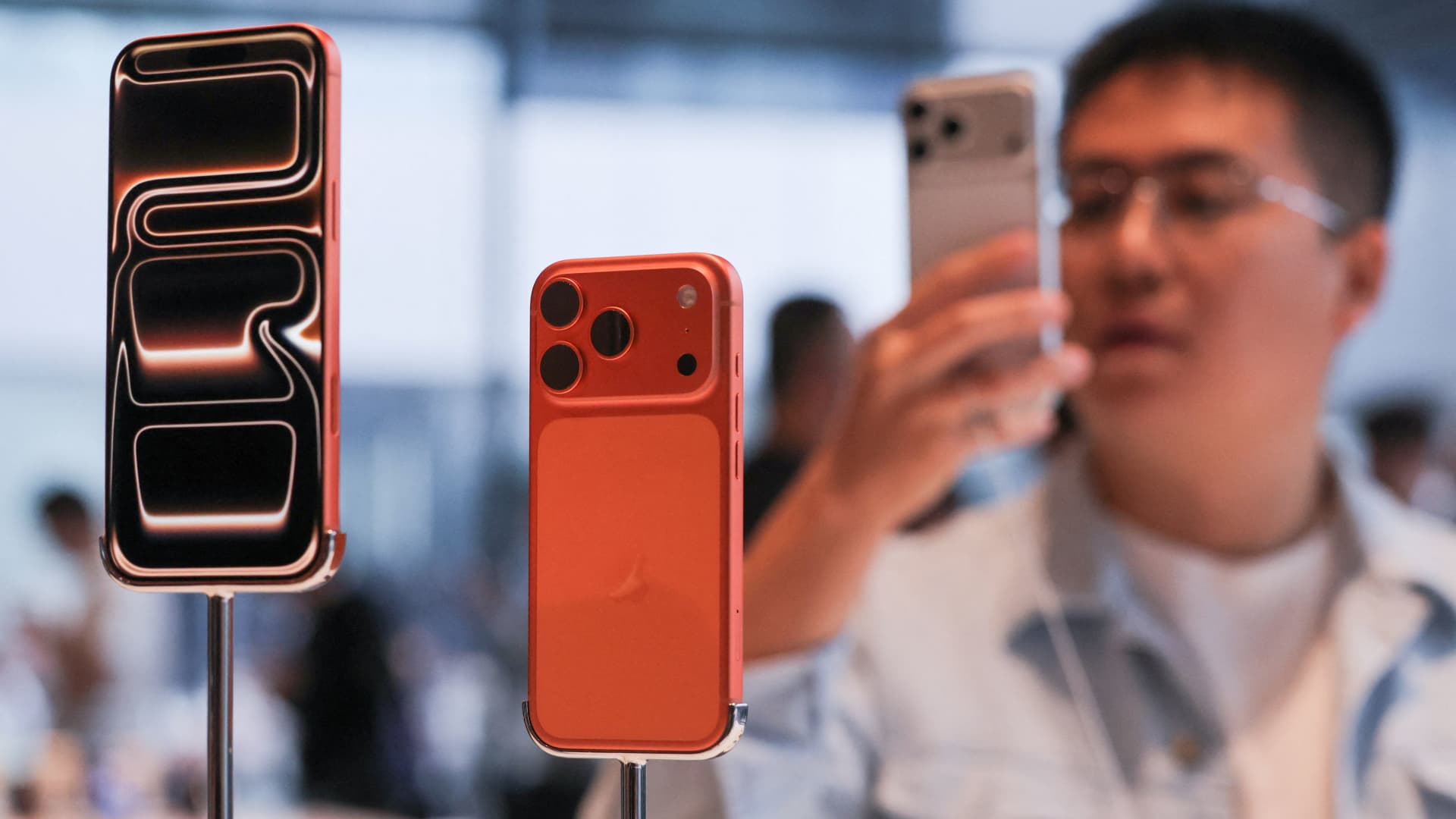
Apple and Huawei Defy Market Downturn in China’s Competitive Smartphone Sector
Despite a broader 4% contraction in China’s smartphone market, Apple has showcased significant resilience, recording a 20% surge in iPhone shipments during the first quarter. This performance stands in stark contrast to the general industry trend, which has been hampered by persistent supply chain instability and the rising costs of critical hardware components, such as memory modules.
Apple and Huawei have emerged as the clear leaders in this challenging economic environment, successfully capturing consumer interest where others have faltered. Apple’s growth is largely attributed to sustained brand loyalty and the perceived long-term value of its ecosystem, which continues to resonate with buyers despite inflationary pressures. Huawei has similarly solidified its position, securing a 20% market share by deploying a versatile product strategy that effectively targets both premium and budget-conscious demographics.
Conversely, other major players have struggled to maintain their footing. Xiaomi experienced a notable 35% decline in shipments, partly due to difficult year-over-year comparisons following previous aggressive promotional cycles. While brands like Oppo and Honor faced moderate downturns, Vivo managed a slight 2% gain, bolstered by a seasonal uptick in sales during the Lunar New Year. As the industry enters the second quarter, analysts anticipate that ongoing economic headwinds may necessitate further price adjustments across the sector, with Apple and Huawei positioned to maintain their competitive advantage.
Key Takeaways
- Apple recorded a 20% increase in iPhone shipments in China, outperforming a 4% overall market decline.
- Huawei has successfully captured a 20% market share by balancing premium and budget-friendly product offerings.
- Rising component costs and economic uncertainty are pressuring manufacturers to consider further price increases.
Editor’s Analysis & Impact
The current performance gap between Apple/Huawei and their competitors highlights a distinct ‘flight to quality’ among Chinese consumers. Amidst economic uncertainty, buyers are prioritizing brand longevity and perceived value over lower-cost alternatives. For Apple, this reinforces the strength of its ecosystem, which remains largely insulated from the volatility affecting mid-tier manufacturers. Huawei’s resurgence signals a successful pivot toward a broader market strategy that effectively captures both ends of the pricing spectrum. Looking ahead, the Chinese smartphone industry is entering a period of consolidation. Manufacturers unable to justify their price points or maintain supply chain efficiency will likely continue to lose ground. The second quarter will serve as a critical test to see if these brands can sustain their momentum without sacrificing profit margins in an environment where consumer spending remains cautious.
Frequently Asked Questions
Q: Why did Apple succeed in China while other manufacturers struggled?
A: Apple's success is driven by the perceived longevity and high value of its products, which maintain strong appeal among Chinese consumers even as competitors face pressure to raise prices.
Q: What factors are contributing to the overall decline in the Chinese smartphone market?
A: The market is facing significant headwinds due to supply chain instability and the rising costs of essential hardware components like memory, forcing many manufacturers to adjust their pricing strategies.
AI Disclosure: This article is based on verified data and official reports. Our Team and AI have cross-referenced every financial detail with primary sources to ensure total accuracy.
More from this Category