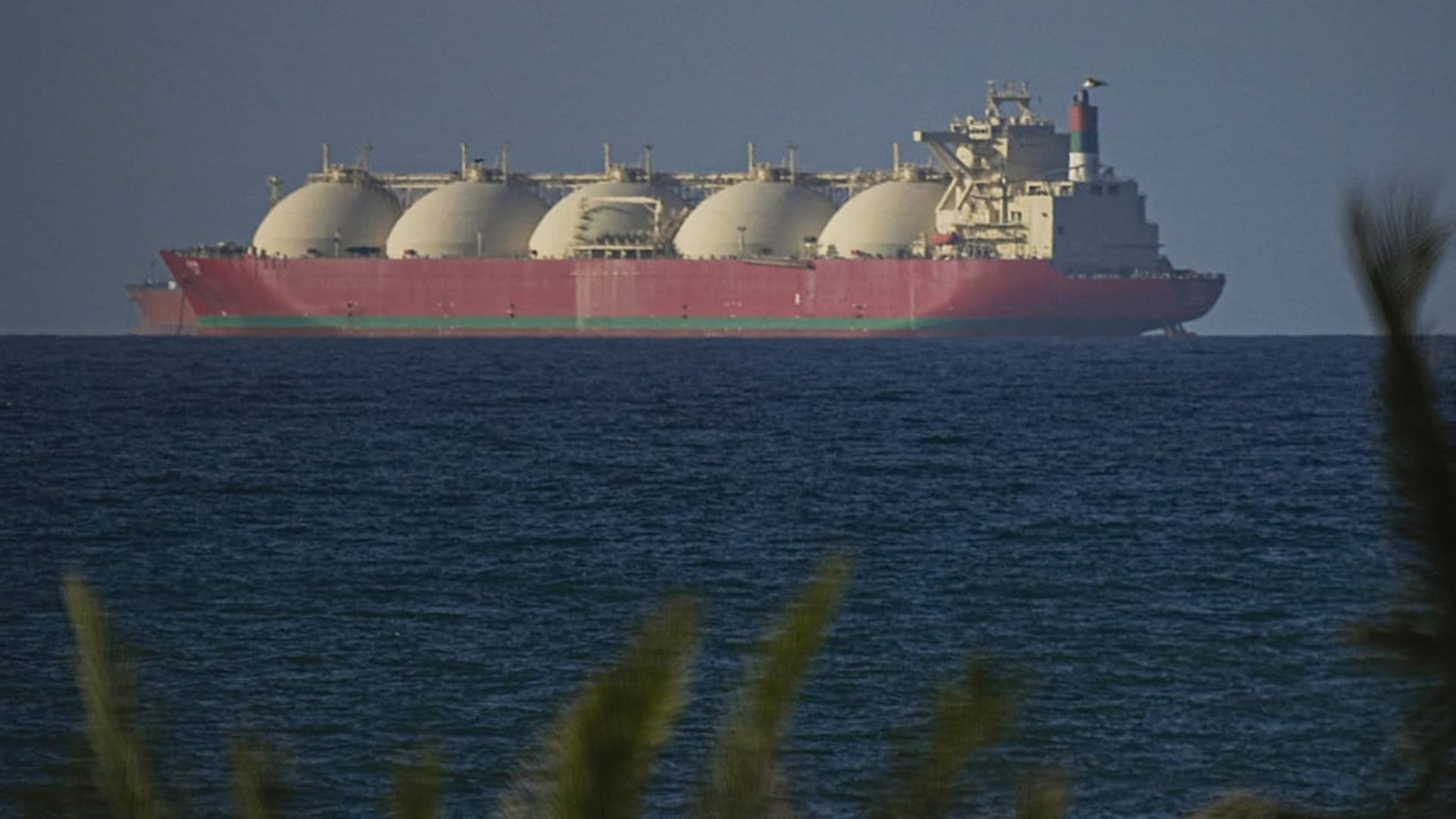
Strait of Hormuz Remains a Flashpoint as Transit Uncertainty Persists
The Strait of Hormuz, a critical artery for global energy supplies, remains in a state of precarious instability as conflicting reports emerge regarding its accessibility. While initial diplomatic signals suggested a potential reopening of the waterway to commercial shipping during the current ceasefire between Israel and Lebanon, the reality for maritime operators remains far more restrictive. Vessels attempting to navigate the passage have reportedly been turned away, highlighting a significant gap between official rhetoric and the situation on the ground.
President Donald Trump has expressed cautious optimism regarding the potential for trade normalization; however, the U.S. naval blockade of Iranian ports remains firmly in place. This ongoing military posture has drawn sharp criticism from Iranian leadership, including parliamentary speaker Mohammad Bagher Ghalibaf, who has explicitly linked the status of the strait to the removal of these maritime restrictions. Iranian authorities have further complicated transit by mandating that any passage must adhere to specific, state-sanctioned routes, with potential exclusions for vessels associated with nations deemed hostile.
The economic implications of this standoff are profound, as the strait serves as a vital chokepoint for a significant portion of the world’s crude oil. The persistent disruption has introduced volatility into global energy markets and created substantial supply chain bottlenecks. Despite recent diplomatic engagements in Pakistan aimed at de-escalating tensions, a durable resolution remains elusive. Current ship-tracking data confirms that commercial traffic is not flowing with the freedom suggested by earlier diplomatic overtures, leaving global markets to contend with continued uncertainty.
Key Takeaways
- The Strait of Hormuz remains effectively restricted despite diplomatic claims of a reopening during the current ceasefire.
- The U.S. naval blockade of Iranian ports continues to serve as a primary point of contention, preventing a return to normal shipping operations.
- Ongoing instability in the region is driving significant volatility in global energy markets and disrupting critical supply chains.
Editor’s Analysis & Impact
The ongoing standoff in the Strait of Hormuz underscores the fragility of global energy security when geopolitical tensions intersect with vital maritime chokepoints. The disconnect between diplomatic messaging and operational reality suggests that both Washington and Tehran are utilizing the strait as a strategic bargaining chip rather than a logistical priority. For the energy sector, this creates a ‘risk premium’ that will likely keep oil prices elevated and volatile in the near term. Looking ahead, the situation is unlikely to stabilize until there is a formal, verifiable agreement regarding the U.S. naval presence and Iranian maritime transit protocols. Until such a breakthrough occurs, shipping companies will likely continue to face increased insurance costs and logistical delays, forcing a broader re-evaluation of global supply chain dependencies on this specific route.
Frequently Asked Questions
Q: Why is the Strait of Hormuz so important to the global economy?
A: The Strait of Hormuz is one of the world's most critical oil chokepoints, as a significant percentage of the world's total crude oil production passes through this narrow waterway daily.
Q: What is the primary cause of the current shipping restrictions in the strait?
A: The restrictions are primarily driven by the ongoing geopolitical conflict between the U.S. and Iran, specifically the U.S. naval blockade of Iranian ports and the subsequent retaliatory measures and transit requirements imposed by Iranian authorities.
AI Disclosure: This article is based on verified data and official reports. Our Team and AI have cross-referenced every financial detail with primary sources to ensure total accuracy.
More from this Category