U.S.-UK Diplomatic Ties Fray Over Strategic Disagreements
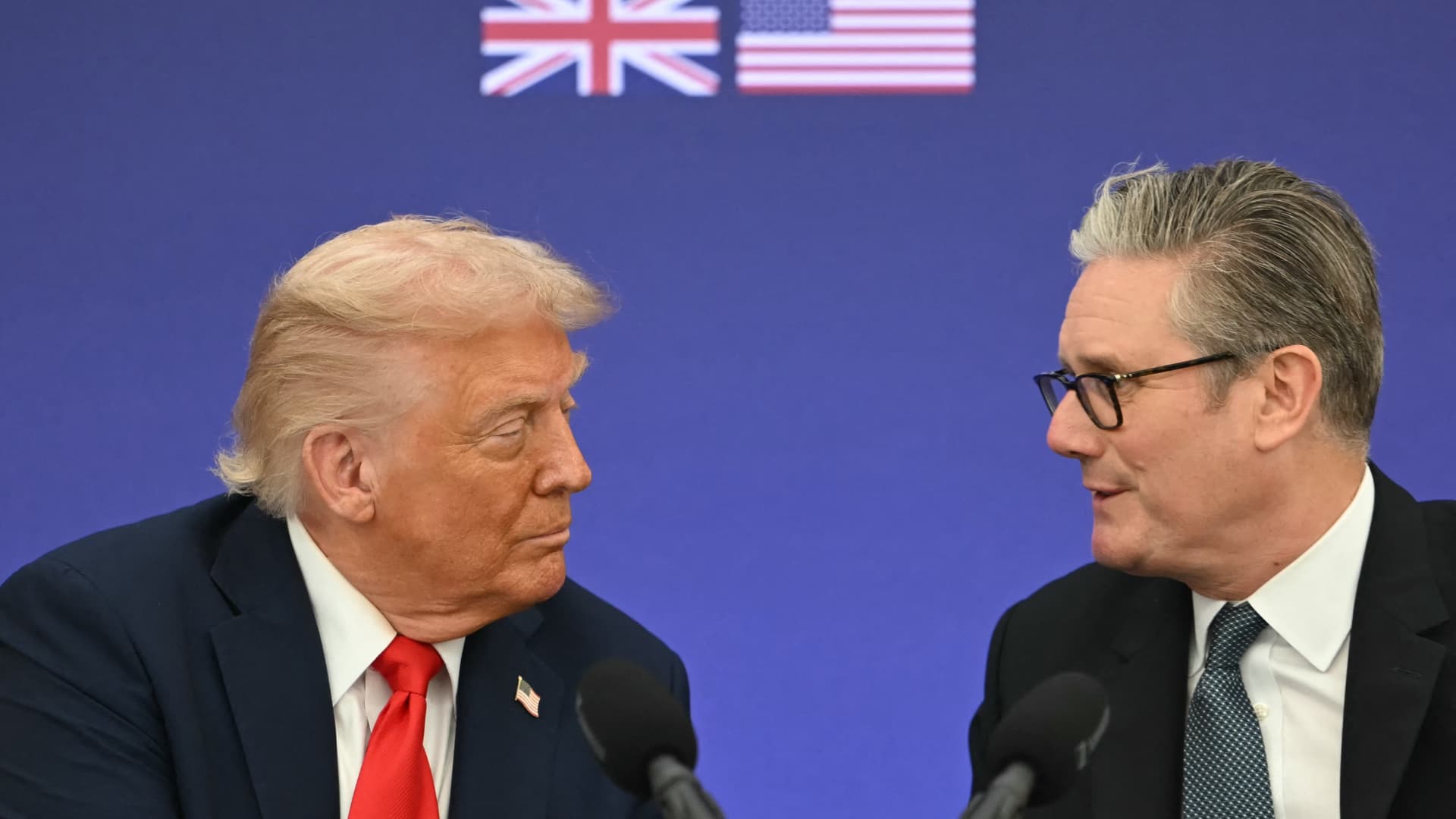
The historic alliance between the United States and the United Kingdom is experiencing a period of significant volatility, threatening to overshadow upcoming high-level diplomatic engagements. While both nations successfully ratified a comprehensive trade agreement in May 2025, recent geopolitical developments regarding the ongoing conflict involving Iran have exposed deep-seated fractures in the partnership. The White House has signaled growing dissatisfaction with London’s reluctance to fully commit to U.S. military objectives in the region, leading to a public questioning of the current bilateral cooperation.
President Donald Trump has openly criticized the British government’s position, suggesting that the existing trade pact—which currently grants the UK a favorable 10% import tariff—could be reconsidered if the two nations fail to align on security priorities. The President described the current state of the relationship as disappointing, emphasizing that the expected level of support from the UK has not been met during the current crisis. This rhetoric has introduced a new layer of uncertainty for British industries that rely on the stability of the current trade framework.
In response, Prime Minister Keir Starmer and Finance Minister Rachel Reeves have adopted a resolute position, prioritizing domestic economic stability and global peace over direct military involvement. The British administration has highlighted the severe risks posed by the conflict, particularly regarding energy price volatility and inflationary pressures stemming from disruptions in the Strait of Hormuz. As both governments prepare for the upcoming state visit of King Charles III and Queen Camilla to Washington, officials are hopeful that the diplomatic event will serve as a necessary platform to de-escalate tensions and recalibrate the long-standing special relationship.
Key Takeaways
- The U.S.-UK trade agreement, which includes a 10% import tariff, is under threat due to disagreements over military policy in the Middle East.
- President Trump has publicly questioned the UK's commitment to the alliance, citing a lack of cooperation regarding the conflict involving Iran.
- The British government is prioritizing domestic economic stability and inflation control, resisting pressure to join U.S.-led military actions.
Editor’s Analysis & Impact
The current friction between Washington and London represents a critical juncture for the ‘special relationship.’ By linking trade concessions directly to military alignment, the U.S. is signaling a shift toward a more transactional foreign policy approach. For the UK, the challenge is balancing its traditional security partnership with the U.S. against the immediate economic realities of energy security and inflation. If the trade agreement is indeed renegotiated or terminated, it could trigger significant market volatility and supply chain disruptions for British businesses. The upcoming royal visit is a vital diplomatic ‘reset’ button; failure to find common ground could lead to a long-term cooling of relations, forcing the UK to seek greater strategic autonomy or alternative economic partnerships, ultimately reshaping the geopolitical landscape of the North Atlantic.
Frequently Asked Questions
Q: Why is the U.S.-UK trade agreement at risk?
A: The agreement is at risk because the U.S. government is dissatisfied with the UK's refusal to support its military objectives regarding the conflict in Iran, leading to threats of tariff revisions.
Q: What is the British government's primary concern regarding the conflict?
A: The UK government is primarily concerned about the negative impact of the conflict on domestic energy prices, inflation, and the overall economic burden placed on British households and businesses.
AI Disclosure: This article is based on verified data and official reports. Our Team and AI have cross-referenced every financial detail with primary sources to ensure total accuracy.
More from this Category