U.S. Extends Russian Oil Waiver to Stabilize Global Energy Markets
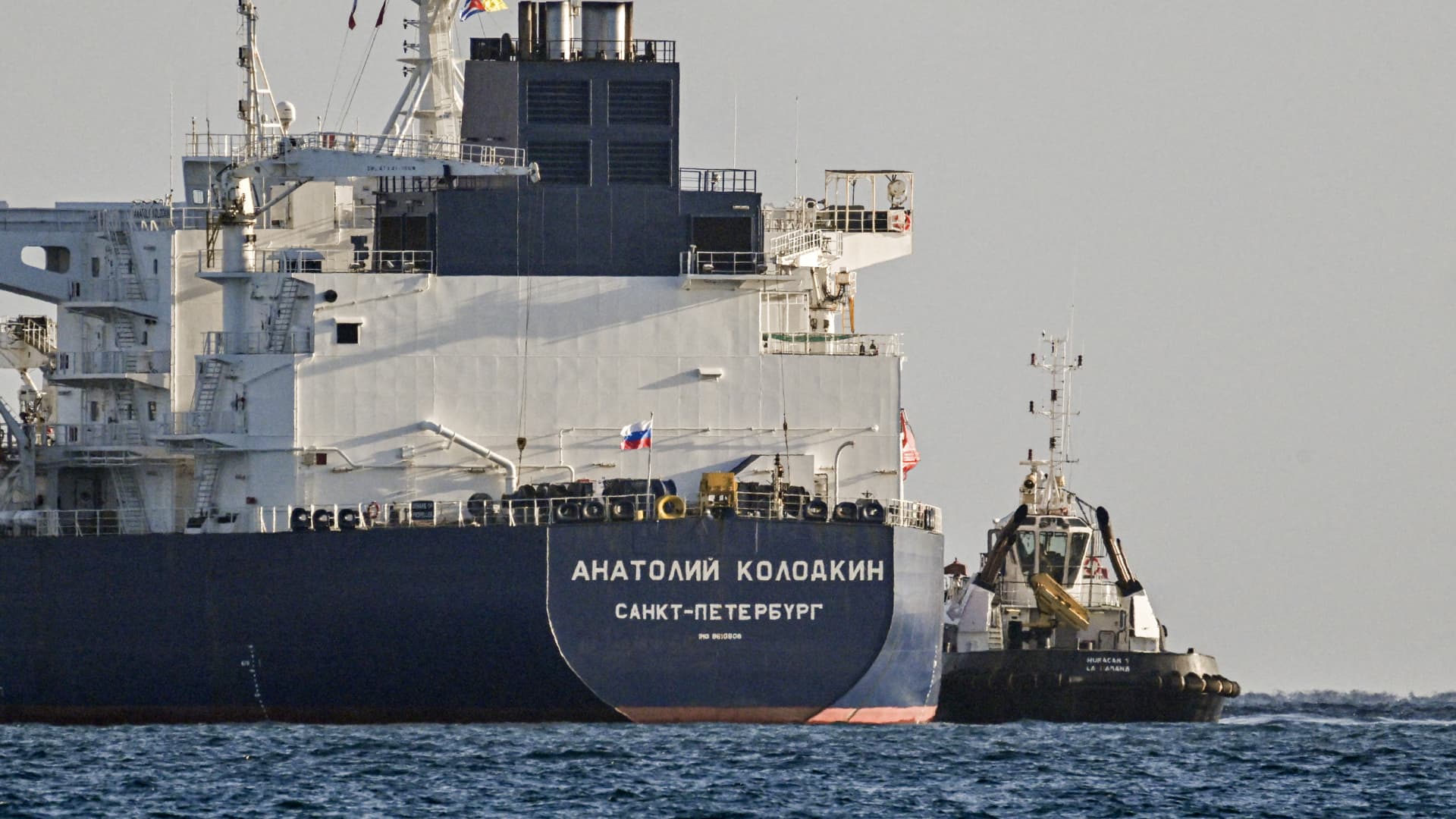
The U.S. Treasury Department has officially extended a temporary waiver that allows for the continued purchase of Russian oil and petroleum products at sea. This extension, which is set to remain in effect until May 16, reflects a strategic pivot by the administration to mitigate the impact of rising global energy costs. The decision comes at a time when international energy markets are facing significant pressure from ongoing geopolitical instability in the Middle East, which has threatened to disrupt supply chains and drive prices higher.
This policy move was largely influenced by diplomatic requests from several Asian nations that have faced acute energy supply shortages. By allowing these transactions to continue, the U.S. aims to prevent a sudden spike in global oil prices that could exacerbate inflationary pressures. However, the decision has not been without controversy, as it has sparked bipartisan pushback from lawmakers who contend that such waivers dilute the impact of existing sanctions against Moscow and potentially provide the Russian government with continued revenue streams during the ongoing conflict in Ukraine.
As the administration balances the need for economic stability with the enforcement of foreign policy objectives, the effectiveness of these sanctions remains a subject of intense debate. Analysts suggest that the U.S. is operating with limited tools to influence energy markets, and this extension highlights the difficulty of maintaining a hardline stance on sanctions while simultaneously preventing global energy crises. Moving forward, the administration will likely face continued scrutiny from international partners and domestic critics as it navigates the complex intersection of energy security and geopolitical strategy.
Key Takeaways
- The U.S. Treasury has extended a waiver allowing the purchase of Russian oil at sea until May 16 to help stabilize global energy prices.
- The decision was driven by supply shortages in Asian markets and the need to prevent further volatility in the global energy sector.
- The extension has faced bipartisan criticism from lawmakers who argue it undermines the effectiveness of sanctions imposed on Russia.
Editor’s Analysis & Impact
The extension of the Russian oil waiver underscores the precarious position the U.S. faces in managing global energy markets while simultaneously enforcing aggressive sanctions. By prioritizing immediate price stability, the administration is acknowledging that the global economy remains highly sensitive to supply disruptions, particularly as geopolitical tensions in the Middle East threaten to tighten oil availability. This move suggests that the U.S. is willing to accept a degree of friction in its sanctions regime to avoid the domestic and international political fallout of a major energy price shock. However, the long-term implication is a potential erosion of the ‘sanctions-first’ strategy, as recurring waivers may signal to global markets that U.S. resolve is flexible when faced with economic necessity. Future policy will likely remain a delicate balancing act between maintaining diplomatic pressure and ensuring energy security.
Frequently Asked Questions
Q: Why did the U.S. decide to extend the Russian oil waiver?
A: The extension was granted to help stabilize global energy prices and address supply shortages in various Asian nations, preventing further volatility in the oil market.
Q: How long is the current waiver extension effective?
A: The current waiver extension is effective through May 16.
AI Disclosure: This article is based on verified data and official reports. Our Team and AI have cross-referenced every financial detail with primary sources to ensure total accuracy.
More from this Category