California Trio Sentenced After Using Bear Costume to Defraud Insurers
A sophisticated insurance fraud scheme involving a person disguised in a bear suit has concluded with the sentencing of three California residents. The group orchestrated a series of staged incidents in Lake Arrowhead, targeting luxury vehicles including a 2010 Rolls-Royce Ghost and two Mercedes-Benz models. By submitting manipulated video footage to insurance companies, the perpetrators attempted to pass off the human-in-a-suit antics as genuine wildlife encounters.
The deception began to unravel when the submitted footage was subjected to expert scrutiny. Biologists from the California Department of Fish and Wildlife reviewed the videos and quickly identified that the ‘bear’ was, in fact, a person wearing a costume. This discovery prompted the launch of ‘Operation Bear Claw,’ a targeted investigation by the state insurance department.
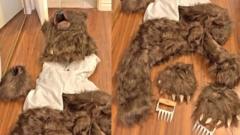
During the execution of a search warrant at the suspects’ residence, authorities recovered the bear costume used in the scheme, along with other incriminating evidence. The investigation revealed that the group had successfully obtained $141,839 in fraudulent insurance payouts before being caught. Alfiya Zuckerman, Ruben Tamrazian, and Vahe Muradkhanyan pleaded no contest to felony charges and have been sentenced to 180 days in jail, followed by two years of supervised probation.
Key Takeaways
- Three individuals were sentenced to 180 days in jail for a $141,839 insurance fraud scheme.
- The perpetrators used a bear costume to stage fake animal attacks on luxury vehicles to file false claims.
- Wildlife experts identified the fraud by confirming the 'bear' in the video footage was a human in a suit.
Editor’s Analysis & Impact
This case serves as a bizarre yet significant reminder of the lengths to which fraudsters will go to exploit insurance systems. While the ‘bear suit’ element adds a layer of absurdity, the underlying issue is a persistent challenge for the insurance industry: the rise of sophisticated, digitally-manipulated evidence. As AI and high-quality video editing tools become more accessible, insurers must increasingly rely on forensic experts—such as the biologists utilized in this case—to verify the authenticity of claims. The successful prosecution of these individuals sends a strong deterrent message, but it also highlights the necessity for insurance companies to invest in advanced verification technologies to protect against increasingly creative fraudulent practices that threaten to drive up premiums for honest policyholders.
Frequently Asked Questions
Q: How did authorities prove the bear was fake?
A: Biologists from the California Department of Fish and Wildlife analyzed the video footage and determined that the movements and physical characteristics of the figure were consistent with a human in a costume rather than an actual bear.
Q: What were the legal consequences for the individuals involved?
A: The three defendants pleaded no contest to felony charges and were sentenced to 180 days in jail, along with two years of supervised probation.
AI Disclosure: This article is based on verified data and official reports. Our Team and AI have cross-referenced every financial detail with primary sources to ensure total accuracy.
More from this Category