Market Divergence: S&P 500 Climbs to Record Highs While Berkshire Hathaway Stumbles
The S&P 500 has officially crossed the 7,100-point milestone, marking a historic high for the index. This impressive rally is fueled by a confluence of positive macroeconomic factors, including cooling inflation rates, resilient corporate earnings, and a notable easing of geopolitical tensions between the United States and Iran. The market has shown remarkable strength, posting a 9% gain this month, representing one of the most aggressive recovery phases in recent memory.
However, this broad-based optimism has not been mirrored by Berkshire Hathaway. While the wider market celebrates record-breaking performance, Berkshire’s Class A and Class B shares have experienced a decline of nearly 1% month-to-date. This creates a widening performance gap of approximately 10 percentage points, signaling a distinct decoupling between the conglomerate and the general market trend.
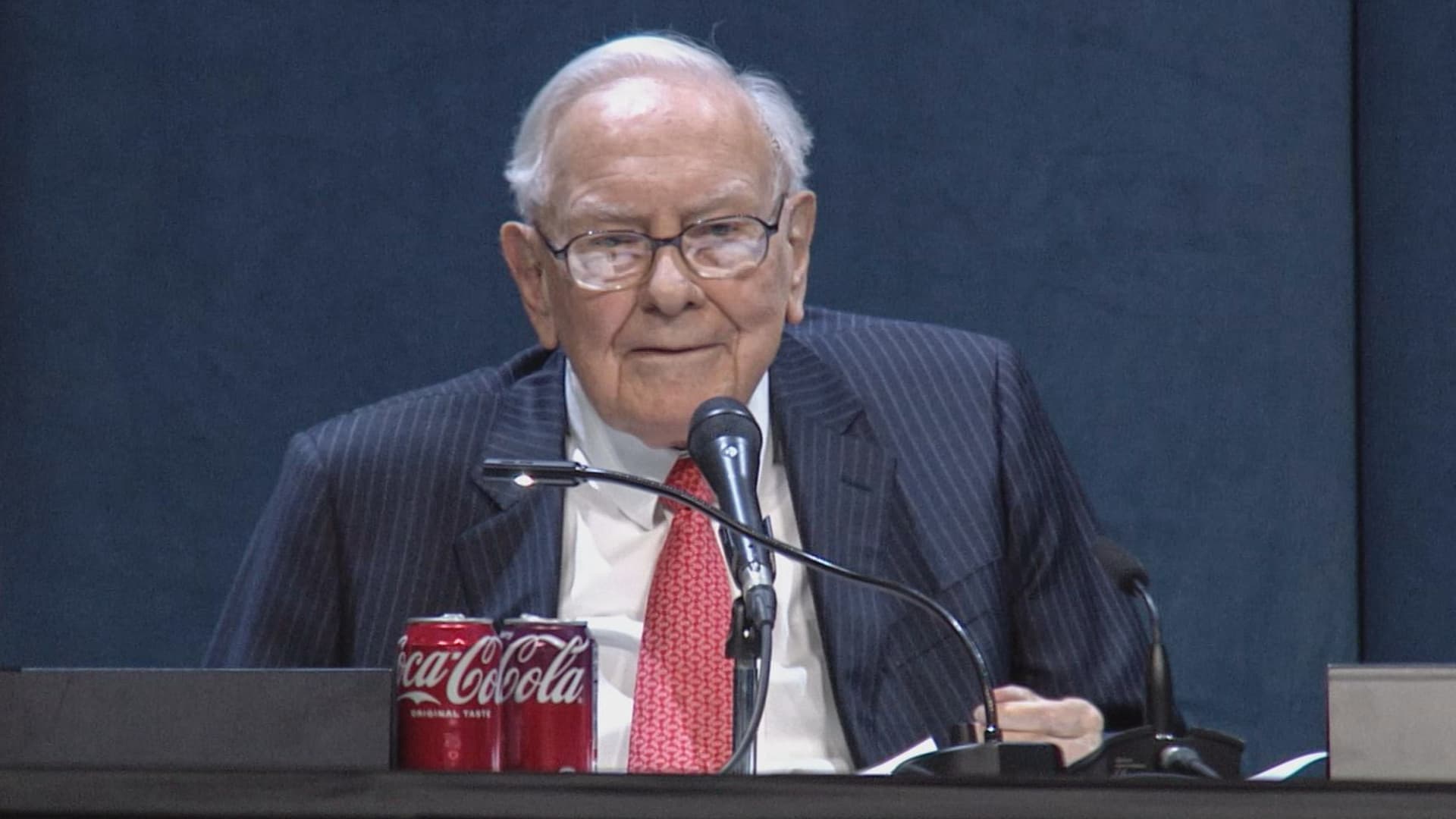
Industry observers suggest that internal uncertainty is the primary catalyst for this divergence. Since the announcement that Warren Buffett plans to vacate his role as CEO by the end of 2025, Berkshire shares have faced persistent downward pressure, falling more than 12% from their recent highs. As the firm approaches its annual shareholders meeting, investor attention is heavily focused on the transition to Greg Abel. The market is currently balancing the potential for continued economic growth against the inherent risks of navigating a post-Buffett era at one of the world’s most influential investment firms.
Key Takeaways
- The S&P 500 reached a record high above 7,100, driven by strong earnings and easing geopolitical friction.
- Berkshire Hathaway shares have diverged from the market rally, dropping nearly 1% this month.
- Investor concern over Warren Buffett's 2025 retirement and the leadership transition to Greg Abel is negatively impacting Berkshire's stock price.
Editor’s Analysis & Impact
The current performance gap between the S&P 500 and Berkshire Hathaway serves as a textbook example of ‘key person risk.’ While the broader market is riding a wave of macroeconomic optimism, Berkshire remains uniquely tied to the reputation and historical success of Warren Buffett. The 12% decline since the succession announcement indicates that investors are not yet fully convinced of a smooth transition, despite Greg Abel’s proven track record. The upcoming annual shareholders meeting will be a pivotal moment for the company to reassure stakeholders. If management can provide a clear, compelling vision for the post-Buffett era, the current valuation discount may narrow. However, until that confidence is restored, Berkshire may continue to struggle despite its significant cash reserves and defensive positioning.
Frequently Asked Questions
Q: What factors are currently driving the S&P 500 to record highs?
A: The index is being fueled by a combination of stabilizing inflation, strong corporate earnings reports, and a decrease in geopolitical tensions, particularly between the U.S. and Iran.
Q: Why is Berkshire Hathaway underperforming compared to the rest of the market?
A: The underperformance is largely attributed to investor uncertainty regarding the company's future leadership following Warren Buffett's planned departure as CEO in 2025.
AI Disclosure: This article is based on verified data and official reports. Our Team and AI have cross-referenced every financial detail with primary sources to ensure total accuracy.
More from this Category