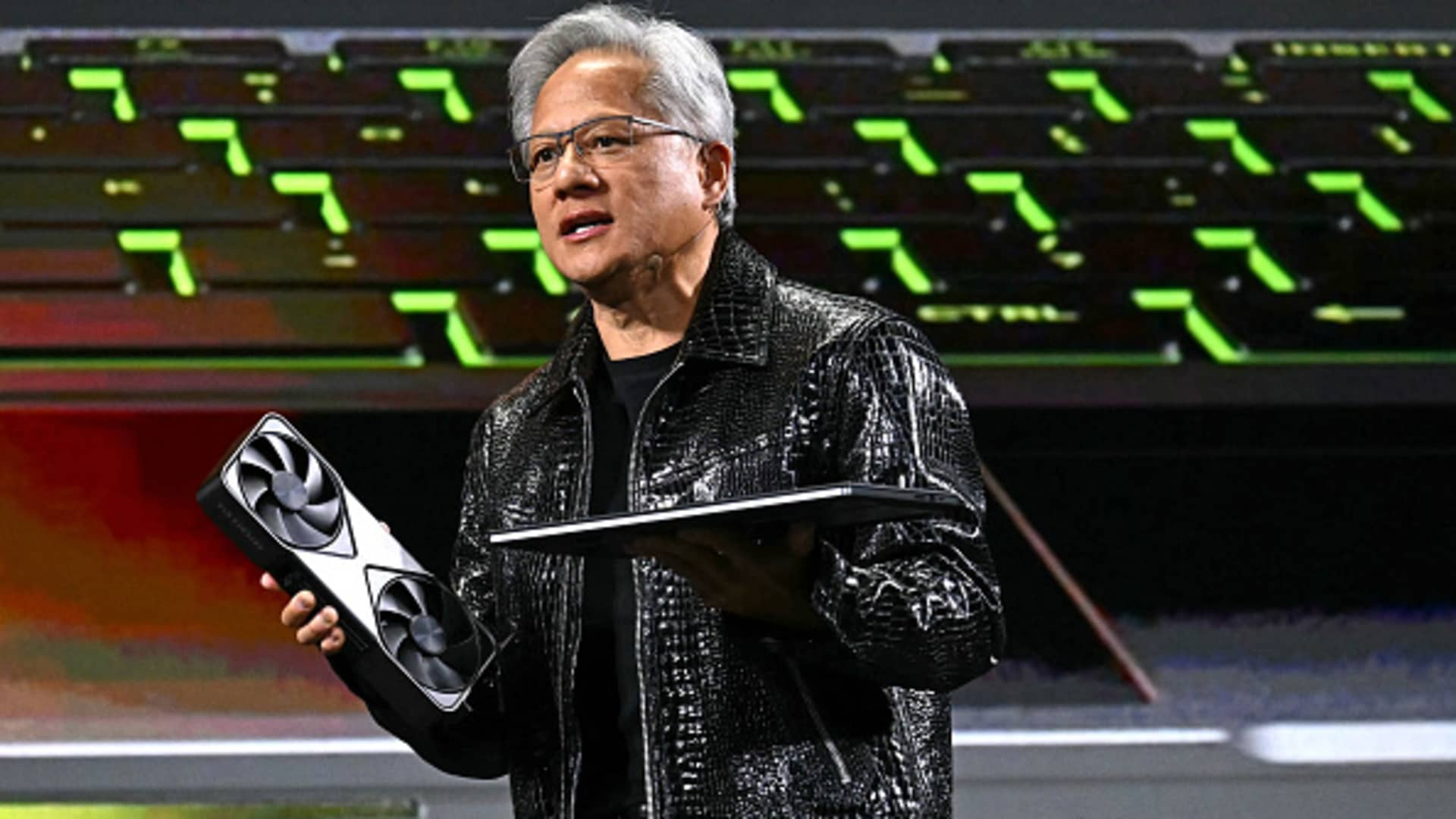
Nvidia’s AI Dominance: Is the Gaming Legacy Fading?
For over three decades, Nvidia has been synonymous with high-performance gaming, serving as the primary architect behind the evolution of virtual graphics. However, the company is currently undergoing a massive structural shift as artificial intelligence becomes the engine of its financial success. With data center hardware now accounting for more than 91% of the company’s total revenue, the focus has pivoted sharply toward AI infrastructure, leaving long-time gaming enthusiasts concerned about their place in the company’s future.
The core of this tension lies in the global shortage of High Bandwidth Memory (HBM). Because enterprise-grade architectures, such as the Blackwell and Rubin series, offer significantly higher profit margins than consumer-grade graphics cards, Nvidia is increasingly prioritizing data center production. This resource allocation has sparked industry speculation that the company may deviate from its traditional release cadence, with rumors suggesting a potential skip of a 2026 consumer GPU update to satisfy the relentless demand for AI-focused silicon.
Beyond hardware, the integration of generative AI into gaming software—exemplified by DLSS 5—has created a divide within the community. While these tools offer impressive improvements in frame rates and visual fidelity, some critics argue that an over-reliance on AI-driven rendering could undermine the creative vision of game developers. Nvidia maintains that these technologies are designed to augment human creativity rather than replace it, yet the shift in corporate priorities continues to create friction with the brand’s original user base.
Despite these challenges, Nvidia continues to support the gaming market through its GeForce NOW cloud streaming service. While leadership insists that gamers remain a vital demographic, the financial reality of the AI boom suggests that manufacturing priorities will continue to favor enterprise compute. As Nvidia solidifies its position as a leader in the global AI revolution, the company faces the delicate task of balancing its massive new growth engine with the legacy gaming audience that fueled its initial rise.
Key Takeaways
- Nvidia's data center hardware now generates over 91% of its total revenue, signaling a massive shift away from its gaming roots.
- Resource constraints, specifically a shortage of High Bandwidth Memory (HBM), are forcing the company to prioritize AI hardware over consumer GPUs.
- The integration of AI-driven software like DLSS 5 has sparked debate regarding the balance between technological advancement and creative integrity in game development.
Editor’s Analysis & Impact
Nvidia’s transition from a gaming-centric hardware manufacturer to an AI infrastructure titan is one of the most significant pivots in modern tech history. By prioritizing data center chips, the company has achieved unprecedented market valuation, yet it faces a classic ‘innovator’s dilemma.’ The gaming community, which provided the R&D funding and brand loyalty for decades, is now secondary to the hyperscale cloud providers. While this strategy is financially sound in the short term, it risks brand dilution and potential market share loss to competitors if the gaming segment is neglected for too long. The future outlook suggests that Nvidia will continue to lean into AI, likely using gaming as a testing ground for AI software features rather than a primary hardware focus, potentially leading to a more bifurcated product strategy.
Frequently Asked Questions
Q: Why is Nvidia prioritizing data center hardware over gaming GPUs?
A: Data center hardware, particularly chips designed for AI, offers significantly higher profit margins compared to consumer-grade gaming graphics cards, making them more attractive for resource allocation.
Q: Will Nvidia stop making gaming graphics cards?
A: There is no official confirmation that Nvidia will stop producing gaming GPUs, though industry speculation suggests that supply chain constraints and AI demand could lead to slower release cycles for consumer products.
AI Disclosure: This article is based on verified data and official reports. Our Team and AI have cross-referenced every financial detail with primary sources to ensure total accuracy.
More from this Category