American Airlines Rejects Merger Speculation with United
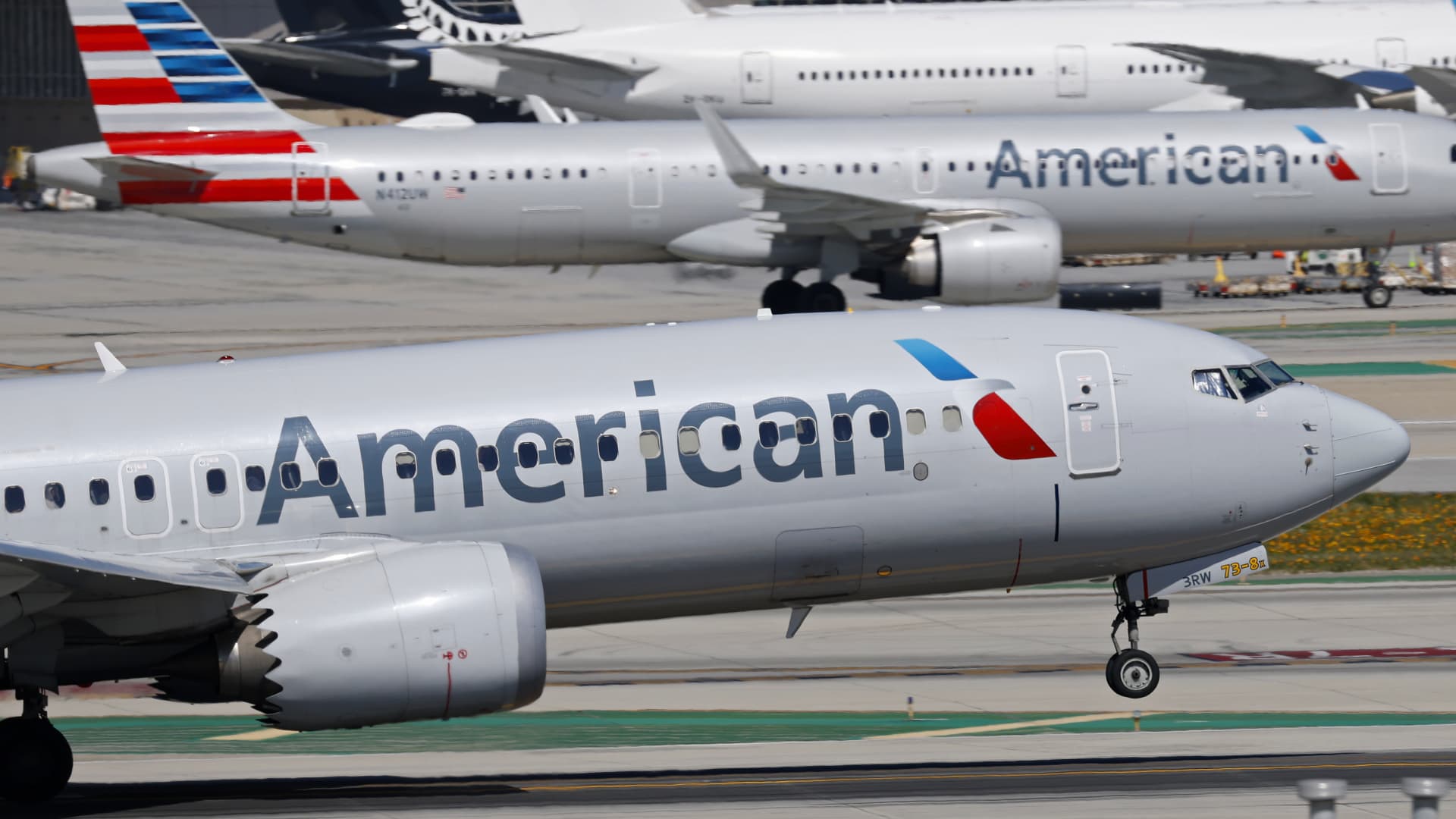
American Airlines has formally clarified its position regarding recent market rumors, stating that it has no intention of pursuing a merger with United Airlines. This announcement effectively puts an end to widespread speculation about a potential consolidation that would have fundamentally reshaped the American aviation industry. The airline confirmed that no formal negotiations have occurred, emphasizing that such a move would likely face significant regulatory opposition and could negatively impact market competition.
A combination of these two aviation giants would have represented the most substantial industry consolidation in over a decade. As the two largest airlines by capacity in 2025, a merger would have resulted in a dominant entity controlling a vast portion of the domestic market. Industry experts noted that the significant overlap in key operational hubs, particularly in Chicago and across Texas, would have created immense challenges in securing antitrust approval under current federal standards.
The prospect of a merger had previously drawn scrutiny from government officials concerned about the potential for increased airfares. With the current administration prioritizing consumer cost mitigation, any deal that could potentially reduce competition and drive up prices was viewed with deep skepticism. American Airlines has reiterated that its long-term corporate strategy remains centered on independent growth and operational efficiency, rather than pursuing a merger that would conflict with current regulatory and competitive priorities.
Key Takeaways
- American Airlines has officially denied any interest in a merger with United Airlines.
- Regulatory hurdles and antitrust concerns regarding market dominance make such a deal highly unlikely.
- The airline is prioritizing independent growth strategies over consolidation efforts.
Editor’s Analysis & Impact
The rejection of a potential merger between American Airlines and United Airlines signals a continued focus on organic growth within the aviation sector, largely driven by a stringent regulatory environment. In the current political climate, where antitrust enforcement is prioritized to protect consumer interests and mitigate inflation, large-scale horizontal mergers face an uphill battle. For the aviation industry, this development suggests that future growth will likely be achieved through operational optimization and route expansion rather than massive consolidation. Investors should view this as a commitment to stability, as the complexities of integrating two massive, legacy-heavy carriers would have posed significant execution risks. Moving forward, the industry will likely remain fragmented, with airlines competing on service quality and network reach rather than market-share dominance through acquisition.
Frequently Asked Questions
Q: Why did American Airlines rule out a merger with United?
A: American Airlines cited the lack of strategic alignment with its independent growth goals and the high probability that such a deal would be blocked by antitrust regulators.
Q: What would have been the main regulatory concern for a merger between these two airlines?
A: The primary concern was the significant overlap in major hubs, which would have reduced competition and potentially led to higher airfares for consumers.
AI Disclosure: This article is based on verified data and official reports. Our Team and AI have cross-referenced every financial detail with primary sources to ensure total accuracy.
More from this Category