NASA Refines Lunar Strategy Following Successful Artemis II Mission Review
Following the successful completion of the Artemis II mission, engineers are conducting a rigorous evaluation of the Orion spacecraft and the Space Launch System (SLS) rocket. The mission, which safely transported four astronauts on a 700,000-mile trajectory around the Moon, has provided critical data points necessary for the upcoming Artemis III mission and the broader objective of establishing a sustainable lunar presence as a precursor to Mars exploration.
Preliminary findings regarding the Orion spacecraft’s thermal protection system have been highly encouraging. During the high-velocity reentry phase, the heat shield demonstrated superior durability, showing a significant decrease in charring compared to the previous Artemis I flight. This performance confirms that recent ground-based simulations and material testing were accurate. Currently, the crew module is undergoing detailed inspection at the Kennedy Space Center, with flight data being processed to further refine hardware specifications.
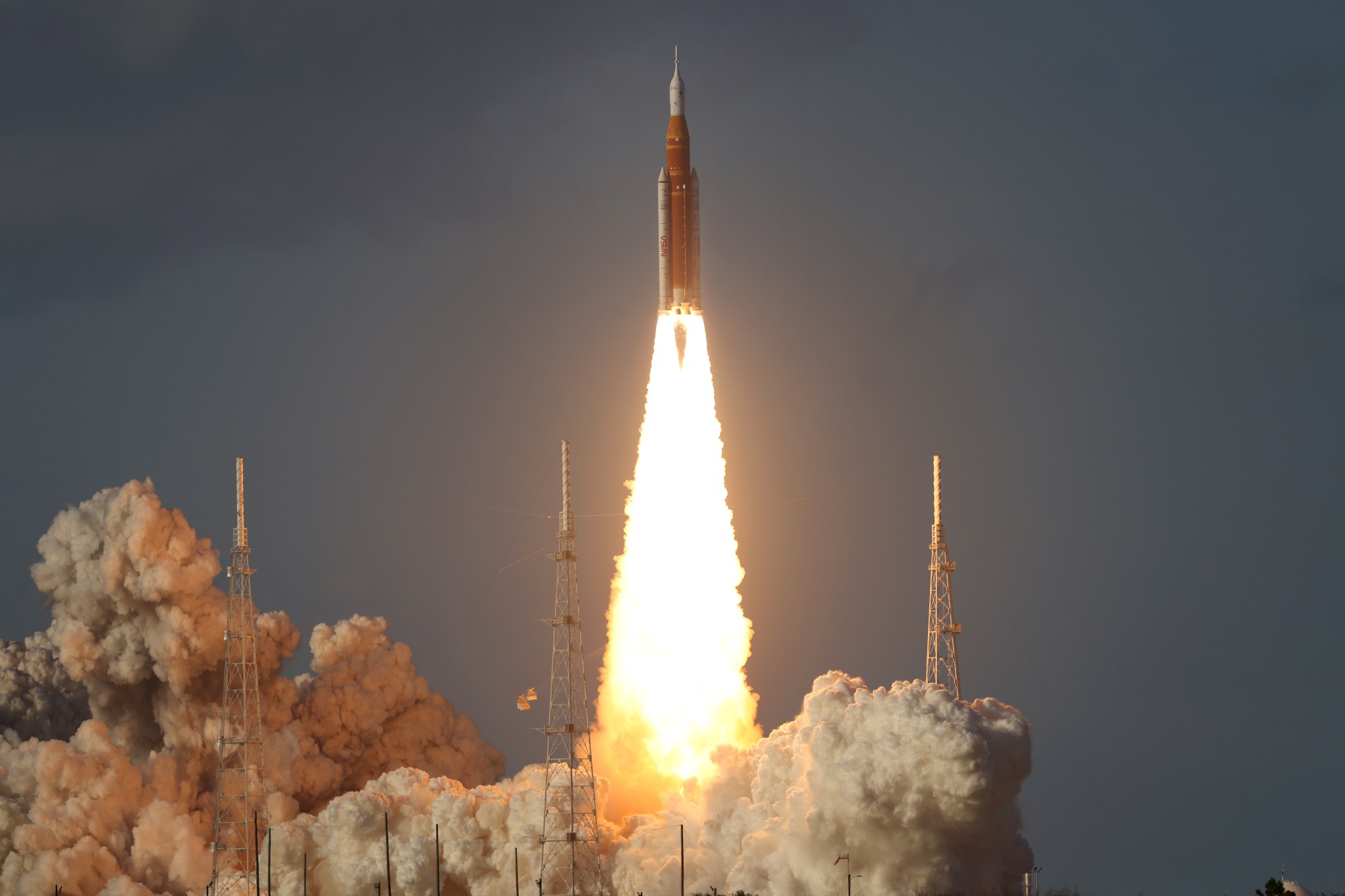
The SLS rocket also demonstrated operational stability, successfully delivering the Orion spacecraft into its precise orbital path. Furthermore, recent infrastructure enhancements at the Kennedy Space Center, specifically regarding the launch pad and mobile launcher, effectively withstood the extreme forces generated during booster ignition. These structural upgrades ensured that critical pneumatic and cooling systems remained operational throughout the launch sequence.
As the program shifts its focus toward post-flight operations, engineers are addressing minor technical anomalies, such as a vent line issue, to optimize hardware for future flights. By integrating these findings into current mission planning, the agency is accelerating its timeline, with the goal of returning humans to the lunar surface by 2028.
Key Takeaways
- The Orion spacecraft's heat shield performed better than expected, showing reduced charring compared to the Artemis I mission.
- Infrastructure upgrades at the Kennedy Space Center successfully protected critical launch systems from intense booster ignition forces.
- Data gathered from the Artemis II mission is being used to refine hardware and mission planning for the scheduled 2028 human lunar landing.
Editor’s Analysis & Impact
The successful analysis of the Artemis II mission marks a pivotal transition from experimental testing to operational reliability for the lunar program. By validating the performance of the Orion heat shield and the resilience of the SLS launch infrastructure, the agency has significantly reduced the technical risk profile for future crewed missions. The focus on addressing minor anomalies, such as the vent line issue, demonstrates a rigorous commitment to safety that is essential for long-duration spaceflight. Looking ahead, the integration of this flight data is critical for the Artemis III mission, which will be the first to attempt a human landing on the lunar surface in decades. This progress not only solidifies the foundation for a permanent lunar presence but also serves as a necessary proving ground for the technologies required for eventual crewed missions to Mars.
Frequently Asked Questions
Q: What was the primary goal of the Artemis II mission analysis?
A: The analysis aims to evaluate the performance of the Orion spacecraft and the SLS rocket to ensure safety and efficiency for future missions, specifically the upcoming Artemis III lunar landing.
Q: When does the agency plan to return humans to the lunar surface?
A: Mission planning is currently being accelerated with the goal of returning humans to the lunar surface by 2028.
AI Disclosure: This article is based on verified data and official reports. Our Team and AI have cross-referenced every financial detail with primary sources to ensure total accuracy.
More from this Category