Corporate Tariff Refunds Become a Political Flashpoint Following Supreme Court Ruling
A recent Supreme Court decision has triggered a massive financial dilemma for major U.S. corporations, as the court ruled that certain tariffs imposed under the International Emergency Economic Powers Act were invalid. This legal victory has opened the door for businesses to seek refunds totaling more than $160 billion in duties previously collected by U.S. Customs and Border Protection. However, the path to reclaiming these funds has become increasingly complicated by political pressure.
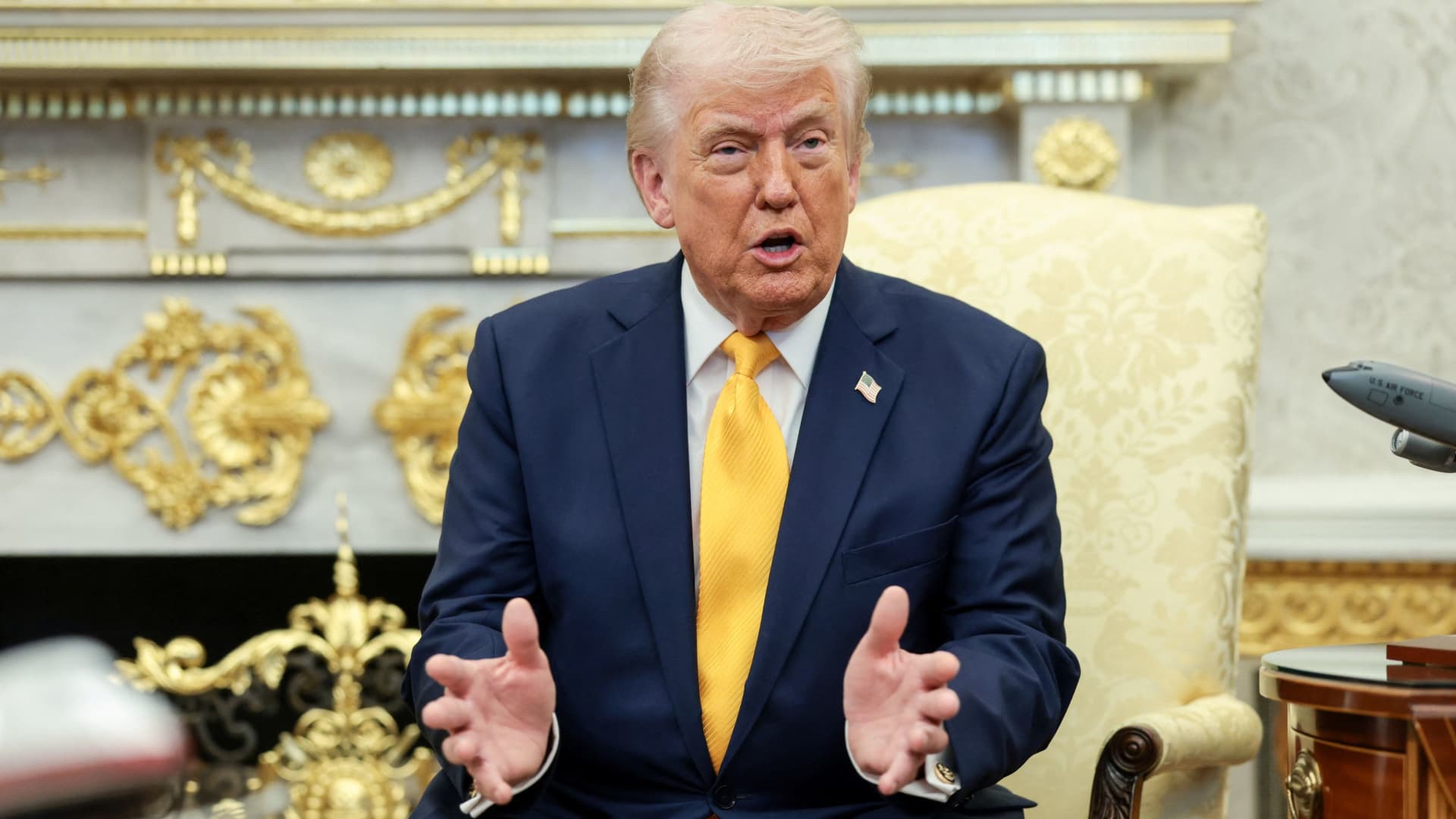
Former President Donald Trump has publicly suggested that corporations should waive their rights to these refunds, implying that such a move would be viewed favorably by his administration. This rhetoric has placed corporate leadership in a difficult position, forcing them to balance their fiduciary duty to maximize shareholder value against the potential for future political alignment. Companies with significant exposure to these trade measures, including tech giants like Apple and Amazon, are now carefully evaluating how to proceed without inviting future regulatory or political scrutiny.
The financial implications for the retail sector are particularly significant. Firms such as Levi Strauss and Gap are currently assessing the impact of these potential windfalls on their balance sheets. Because many of these companies did not factor these refunds into their initial fiscal guidance, the decision to pursue or abandon these claims could lead to notable volatility in upcoming earnings reports. As corporate boards weigh their options, the situation highlights a growing trend where standard financial recovery processes are increasingly being treated as political litmus tests.
Key Takeaways
- A Supreme Court ruling has created a pathway for companies to reclaim over $160 billion in previously paid tariffs.
- Political pressure is mounting for corporations to waive these refunds, creating a conflict between shareholder interests and political strategy.
- Major retailers and tech firms face significant earnings volatility as they decide whether to pursue these legal financial recoveries.
Editor’s Analysis & Impact
The intersection of judicial rulings and executive influence creates a precarious environment for corporate governance. By framing the decision to forgo refunds as a test of loyalty, the former President is effectively turning a standard financial recovery process into a political litmus test. For investors, this introduces a new form of ‘political risk’ that is difficult to quantify. Companies are caught in a classic dilemma: fulfilling their duty to maximize shareholder value by claiming owed funds versus maintaining a favorable relationship with a potential future administration. If major corporations choose to waive these significant sums, it could lead to accusations of poor corporate governance, yet claiming them could invite retaliatory trade policies or regulatory scrutiny. The market will likely see increased volatility as firms disclose their strategies regarding these refunds in upcoming quarterly filings.
Frequently Asked Questions
Q: Why are these tariff refunds available?
A: The refunds are available because the Supreme Court ruled in a 6-3 decision that the tariffs imposed under the International Emergency Economic Powers Act were invalid.
Q: What is the total value of the potential refunds?
A: U.S. Customs and Border Protection has established a system to process claims for over $160 billion in duties that were previously collected.
AI Disclosure: This article is based on verified data and official reports. Our Team and AI have cross-referenced every financial detail with primary sources to ensure total accuracy.
More from this Category