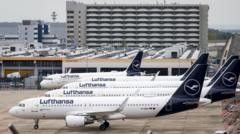
Lufthansa Slashes 20,000 Flights as Fuel Costs Force Network Overhaul
Lufthansa has initiated a significant reduction in its summer flight schedule, cutting 20,000 short-haul flights across its European network. The airline cited the sharp escalation in jet fuel prices as the primary driver for this decision, noting that many regional routes have become economically unsustainable under current market conditions. By streamlining its operations, the carrier expects to reduce fuel consumption by roughly 40,000 metric tons, a move designed to stabilize its financial performance amid ongoing volatility.
The aviation industry is currently grappling with a confluence of supply chain disruptions and regional instability, both of which have tightened the availability and distribution of aviation fuel. As fuel prices climb, major carriers are being forced to reassess their operational footprints. While Lufthansa is among the first to implement such a large-scale reduction, the broader industry is expected to follow suit, with many airlines likely to raise ticket prices to offset the rising cost of operations.
In addition to the flight cancellations, Lufthansa is moving forward with the permanent closure of its CityLine division, which involves the retirement of 27 aircraft. This restructuring is a response to both the high cost of kerosene and persistent labor challenges. While the airline has already begun canceling routes from its Frankfurt hub to various European destinations, it has confirmed that its long-haul international network will remain fully operational. Despite broader concerns regarding energy security, the airline maintains that its current fuel supply chains remain stable.
Key Takeaways
- Lufthansa is cutting 20,000 short-haul flights to mitigate the impact of surging jet fuel prices.
- The airline is permanently closing its CityLine division and retiring 27 aircraft as part of a broader restructuring effort.
- Global aviation is facing increased pressure from fuel supply chain disruptions, likely leading to higher ticket prices and reduced regional capacity.
Editor’s Analysis & Impact
The decision by Lufthansa to slash its summer schedule highlights the extreme vulnerability of the aviation industry to energy market volatility. As fuel represents one of the largest variable costs for airlines, the current price surge acts as a direct threat to profit margins, forcing carriers to prioritize high-yield long-haul routes over regional connectivity. This trend suggests a broader shift toward ‘capacity discipline,’ where airlines will likely maintain higher ticket prices and reduced flight frequency to protect their bottom lines. Looking ahead, the industry faces a difficult balancing act: maintaining operational stability while navigating geopolitical risks that threaten fuel supply chains. If fuel prices remain elevated, we can expect further consolidation and a permanent reduction in short-haul flight availability across the European market, potentially altering travel patterns for the foreseeable future.
Frequently Asked Questions
Q: Will my long-haul flight with Lufthansa be affected by these cancellations?
A: Lufthansa has confirmed that its long-haul international network remains operational and is not affected by these specific short-haul schedule reductions.
Q: Why is Lufthansa closing its CityLine division?
A: The closure is driven by the high cost of jet fuel and persistent labor challenges, prompting the airline to retire 27 aircraft from that specific division.
AI Disclosure: This article is based on verified data and official reports. Our Team and AI have cross-referenced every financial detail with primary sources to ensure total accuracy.
More from this Category