Federal Court Dismisses Defamation Case Over ‘Nightclub’ Remarks
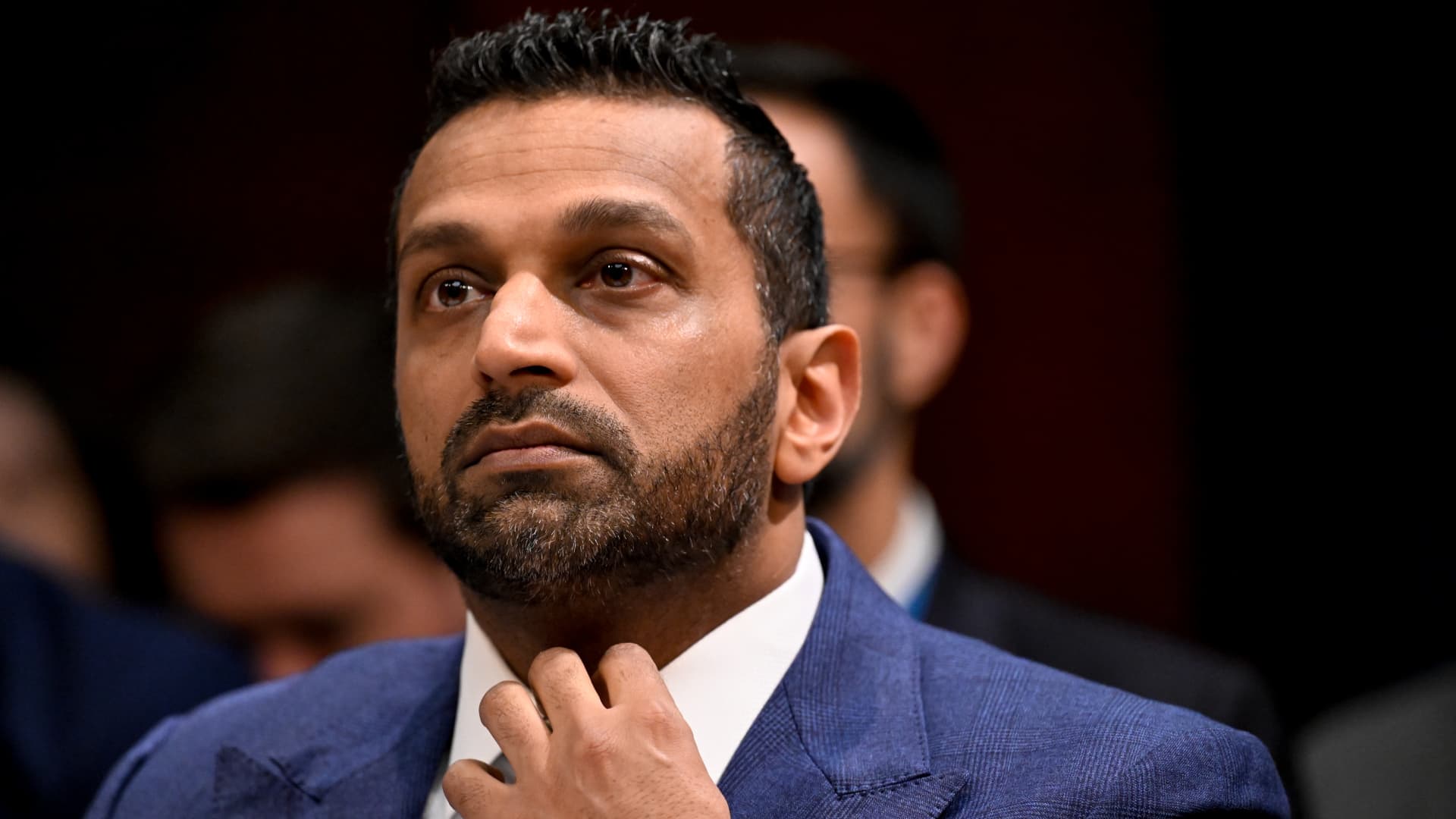
A federal judge in Houston has officially dismissed a defamation lawsuit filed by former official Kash Patel against former FBI figure Frank Figliuzzi. The legal battle originated from public comments made by Figliuzzi, who claimed that Patel spent more time frequenting nightclubs than performing his duties at the FBI’s Washington, D.C. headquarters. U.S. District Court Judge George Hanks Jr. presided over the case, ultimately ruling that the remarks did not meet the legal criteria for defamation.
In his formal opinion, Judge Hanks categorized the statements as ‘rhetorical hyperbole.’ The court concluded that a reasonable observer would not interpret the comments as a literal, verifiable account of Patel’s professional conduct or physical whereabouts. Instead, the court viewed the remarks as a form of exaggerated, provocative opinion, which remains protected under legal standards regarding public discourse. Consequently, the lawsuit, which was initiated in June, was thrown out.
While the court ruled in favor of Figliuzzi regarding the defamation claim, it notably declined to grant his request for the recovery of legal fees under Texas’ anti-SLAPP statutes. Patel had argued that the comments were part of a broader, malicious effort to damage his reputation. Despite this setback, Patel continues to engage in other legal battles, including a separate $250 million defamation lawsuit currently pending against a media organization regarding allegations of alcohol misuse.
Key Takeaways
- A federal judge dismissed Kash Patel's defamation lawsuit against Frank Figliuzzi, ruling the comments were protected rhetorical hyperbole.
- The court determined that the 'nightclub' remarks were an expression of opinion rather than a verifiable factual claim.
- The judge denied the defendant's request for the recovery of attorney fees despite the dismissal of the case.
Editor’s Analysis & Impact
This ruling underscores the significant legal hurdles plaintiffs face when pursuing defamation claims, particularly in the context of political or public figure commentary. By classifying the remarks as ‘rhetorical hyperbole,’ the court has reinforced the robust protections afforded to opinion under the First Amendment. This decision serves as a clear signal that courts are reluctant to intervene in cases involving colorful or hyperbolic language, provided those statements lack a clear, factual basis that could be proven false. For the broader media and legal landscape, this outcome highlights the difficulty of litigating against subjective commentary. Furthermore, the denial of attorney fees suggests that while the court found the defamation claim insufficient, it did not categorize the litigation as entirely frivolous or malicious under Texas law, leaving a narrow path for future disputes of this nature.
Frequently Asked Questions
Q: Why was the defamation lawsuit dismissed?
A: The judge ruled that the comments were 'rhetorical hyperbole,' meaning they were an exaggerated expression of opinion that a reasonable person would not interpret as a literal statement of fact.
Q: Did the defendant receive reimbursement for his legal fees?
A: No. Although the judge dismissed the defamation claim, he denied the defendant's request for court costs and attorney fees.
AI Disclosure: This article is based on verified data and official reports. Our Team and AI have cross-referenced every financial detail with primary sources to ensure total accuracy.
More from this Category