Tesla Announces Hardware Retrofits Essential for Future Unsupervised Autonomy
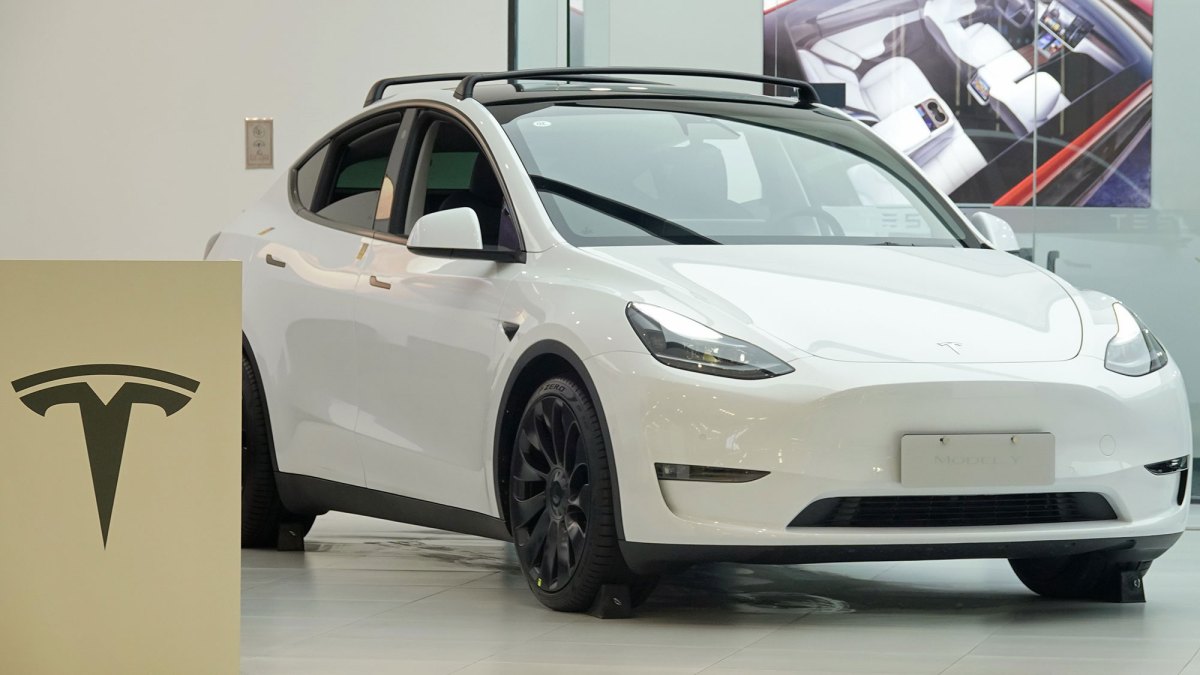
Tesla has confirmed that a substantial portion of its current vehicle fleet will require physical hardware modifications to support the next generation of its Full Self-Driving (FSD) software. During a recent earnings discussion, leadership revealed that the existing ‘Hardware 3’ architecture lacks the requisite processing power and sensor sophistication needed to facilitate the advanced, unsupervised autonomous features slated for a 2025 rollout.
The logistical undertaking of upgrading millions of vehicles poses a significant operational hurdle for the automaker. To avoid the bottlenecks associated with traditional service center workflows, the company is evaluating the implementation of specialized micro-factories in major urban hubs. These facilities would be dedicated to the rapid replacement of onboard computer systems and camera suites, aiming to accelerate the transition for current owners.
This strategic pivot creates potential tension with customers who previously invested in FSD capabilities under the expectation that full autonomy would be delivered exclusively through over-the-air software updates. While Tesla plans to maintain software support for Hardware 3 vehicles, the realization of true, unsupervised driving is now contingent upon this hardware refresh. This development marks a departure from earlier projections regarding the sufficiency of existing systems and introduces a complex phase of fleet management that will likely influence long-term customer sentiment and the perceived value of earlier FSD-equipped models.
Key Takeaways
- Vehicles equipped with 'Hardware 3' require physical upgrades to support upcoming unsupervised FSD features.
- Tesla is considering the use of localized micro-factories to manage the massive logistical challenge of retrofitting millions of cars.
- The transition shifts the autonomy roadmap from a software-only model to one requiring significant hardware investment.
Editor’s Analysis & Impact
The transition from a software-centric autonomy roadmap to a hardware-dependent strategy represents a pivotal moment for Tesla. By acknowledging the technical ceiling of the Hardware 3 platform, the company is prioritizing the safety and computational requirements of next-generation FSD, yet it faces the risk of alienating a significant portion of its existing user base. The operational burden of retrofitting millions of vehicles is unprecedented in the automotive sector. If Tesla successfully executes this transition through its proposed micro-factory model, it could establish a new industry standard for vehicle lifecycle management. However, if the rollout is hindered by delays or significant costs passed to consumers, the company may face legal challenges and potential brand erosion. Investors should closely monitor how Tesla handles the financial burden of these upgrades, as it will likely impact profit margins in the near term.
Frequently Asked Questions
Q: Will my current Tesla be able to run the new FSD software?
A: While Hardware 3 vehicles will continue to receive software updates, they will not be capable of running the fully unsupervised version of FSD without a physical hardware upgrade.
Q: Why can't Tesla just update the software over-the-air?
A: The current Hardware 3 system lacks the necessary processing power and camera sensor suite required to support the advanced computational demands of the upcoming unsupervised driving features.
AI Disclosure: This article is based on verified data and official reports. Our Team and AI have cross-referenced every financial detail with primary sources to ensure total accuracy.
More from this Category