Tesla Balances EV Delivery Hurdles with Aggressive AI and Robotics Expansion
Tesla has posted a strong start to the fiscal year, reporting $22.38 billion in revenue for the first quarter. This figure marks a 16% increase over the $19.3 billion generated during the same period in 2025. The company’s financial health was bolstered by a robust automotive segment, which brought in $16.2 billion, and a significant 51% surge in Full Self-Driving (Supervised) subscriptions, now reaching 1.28 million active users.
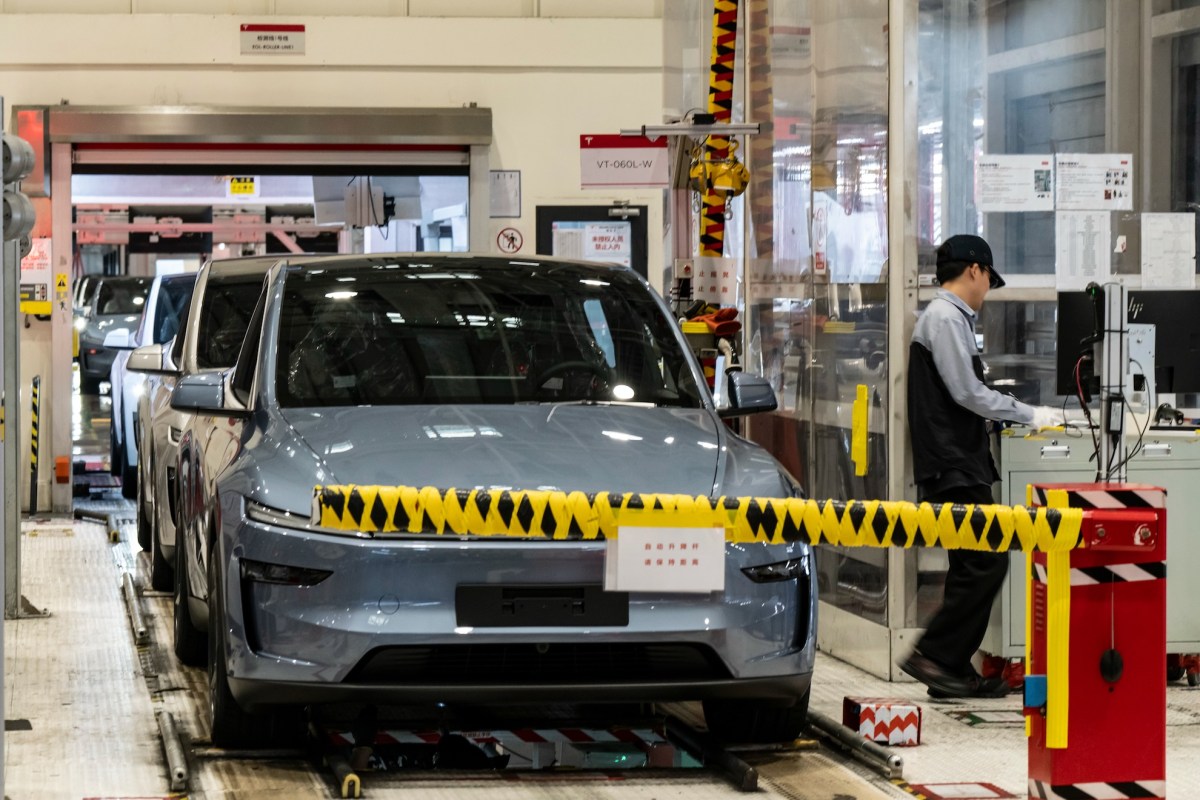
Despite the revenue growth and a healthy free cash flow of $1.44 billion—which exceeded market forecasts—Tesla is navigating a challenging operational environment. The company reported 358,023 vehicle deliveries, missing the anticipated target of 368,000. Meanwhile, production output remained higher than demand, with 408,386 vehicles manufactured during the quarter. Net income reached $477 million, showing a modest improvement over the previous year but reflecting the ongoing pressure from shifting federal tax policies and broader automotive industry volatility.
Looking toward the future, Tesla is aggressively pivoting its focus toward artificial intelligence and robotics. The company is preparing to launch a large-scale production facility for its Optimus humanoid robot in the coming months. Simultaneously, the firm is working to scale its autonomous robotaxi services, which are currently operating in a limited capacity across Austin, Dallas, and Houston. This strategic shift underscores a long-term commitment to AI-driven infrastructure over traditional vehicle manufacturing.
Key Takeaways
- Tesla reported $22.38 billion in quarterly revenue, a 16% year-over-year increase, despite missing delivery targets.
- Full Self-Driving (Supervised) subscriptions grew by 51%, highlighting a shift toward software-driven revenue streams.
- The company is prioritizing the development of the Optimus humanoid robot and expanding its autonomous robotaxi network as core future growth pillars.
Editor’s Analysis & Impact
Tesla’s latest financial results illustrate a company in the midst of a high-stakes transition. While the core automotive business remains a significant revenue generator, the gap between production and delivery figures suggests that Tesla is facing cooling demand in the saturated EV market. By pivoting toward AI and robotics, Tesla is attempting to rebrand itself from a car manufacturer into a technology platform. The success of this strategy hinges on the scalability of the Optimus robot and the regulatory hurdles facing its autonomous taxi fleet. If Tesla can successfully integrate its AI software into these new hardware categories, it may secure a dominant position in the next generation of automation. However, investors should remain cautious, as the capital-intensive nature of these R&D projects could continue to pressure net income in the short term.
Frequently Asked Questions
Q: How many Full Self-Driving (Supervised) subscriptions does Tesla currently have?
A: Tesla currently has 1.28 million active Full Self-Driving (Supervised) subscriptions.
Q: Where is Tesla currently operating its autonomous robotaxi service?
A: The autonomous robotaxi service is currently operating in a limited capacity in Austin, Dallas, and Houston.
AI Disclosure: This article is based on verified data and official reports. Our Team and AI have cross-referenced every financial detail with primary sources to ensure total accuracy.
More from this Category