Spirit Airlines at a Crossroads: Federal Bailout Proposal Sparks National Debate
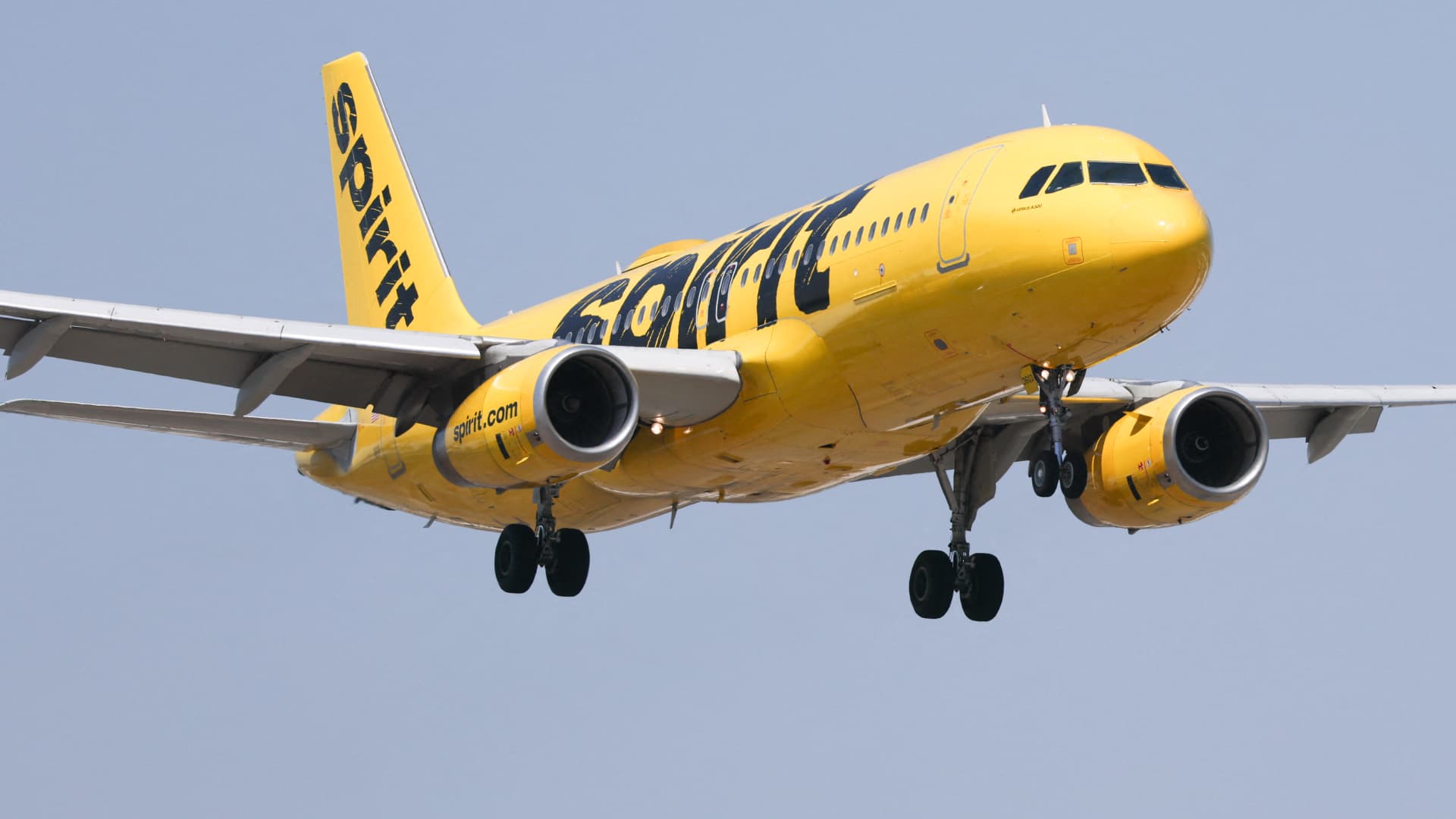
Spirit Airlines is currently at the center of a high-stakes debate regarding federal intervention as the White House weighs a potential $500 million financial assistance package. The struggling low-cost carrier, which is navigating its second Chapter 11 bankruptcy filing in a year, faces a precarious future. The proposed rescue plan, which could involve the government taking an equity stake in the company, is intended to prevent total liquidation and protect thousands of jobs.
The airline’s financial distress is the result of a “perfect storm” of challenges, including rising operational costs, a significant engine recall, and the fallout from a failed merger attempt with JetBlue Airways. While labor unions, such as the Association of Flight Attendants-CWA, are pushing for the funding to preserve travel options and employment, the proposal has met with stiff resistance from political figures and industry experts. Critics argue that the government should not be in the business of propping up companies with long-standing profitability issues, drawing comparisons to controversial bailouts of the past.
Opposition to the bailout is led by voices like Transportation Secretary Sean Duffy and Senator Ted Cruz, who have expressed skepticism about the long-term viability of the carrier. Industry analysts and executives, including United Airlines CEO Scott Kirby, have suggested that the market should dictate the survival of airlines, noting that well-managed companies do not require taxpayer support. Despite the uncertainty, Spirit Airlines continues to operate as normal, with management aiming to emerge from bankruptcy by mid-year through a strategy of route optimization and operational streamlining.
Key Takeaways
- The White House is considering a $500 million bailout for Spirit Airlines to prevent liquidation and protect 14,000 jobs.
- The proposal faces significant political and industry pushback, with critics arguing against government intervention in private sector failures.
- Spirit Airlines aims to emerge from its current Chapter 11 bankruptcy by late spring or early summer through a restructured business model.
Editor’s Analysis & Impact
The potential bailout of Spirit Airlines represents a significant shift in federal policy toward the aviation industry. Historically, government support has been reserved for broad, sector-wide crises like the pandemic or the post-9/11 era. A targeted rescue for a single, chronically struggling carrier sets a precarious precedent that could invite moral hazard, where companies may take excessive risks expecting a federal safety net. If the government proceeds, it will likely face intense scrutiny regarding its role as an equity holder in private enterprise. Long-term, the airline industry remains highly competitive, and even with a cash injection, Spirit faces an uphill battle to differentiate its brand and achieve sustainable profitability against larger, more efficient legacy carriers. The outcome of these negotiations will serve as a bellwether for how the current administration handles corporate distress in the private sector.
Frequently Asked Questions
Q: Why is Spirit Airlines seeking a federal bailout?
A: Spirit is facing severe financial pressure due to a combination of rising operating costs, a major engine recall, and the failure of its planned merger with JetBlue, leading to its second bankruptcy filing in a year.
Q: What are the main arguments against the proposed bailout?
A: Critics argue that the government should not use taxpayer money to save a company with a history of poor profitability, suggesting that such intervention distorts market competition and sets a dangerous precedent for future corporate bailouts.
AI Disclosure: This article is based on verified data and official reports. Our Team and AI have cross-referenced every financial detail with primary sources to ensure total accuracy.
More from this Category