Kalshi Cracks Down on Political Candidates Betting on Their Own Elections
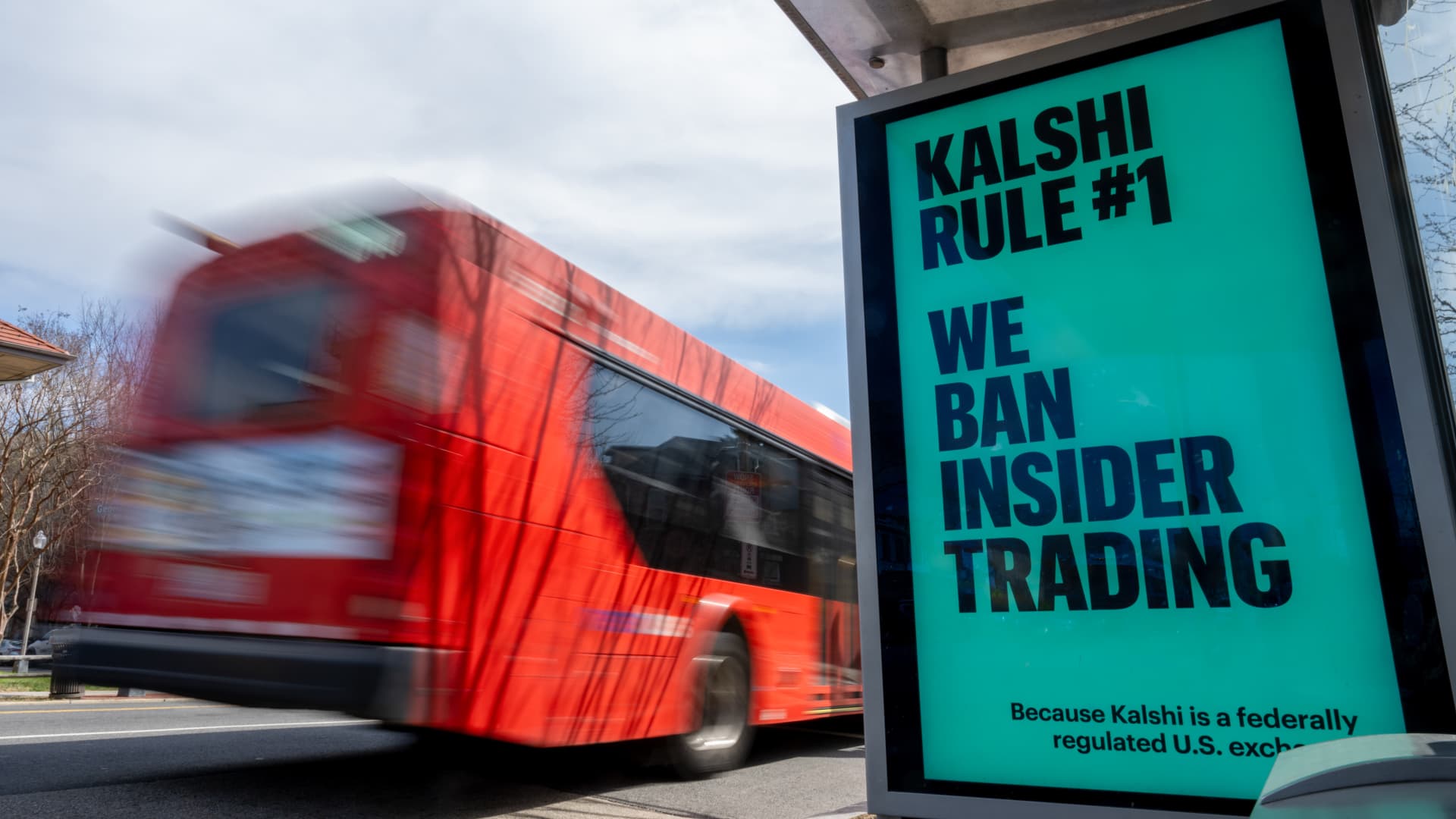
The prediction market platform Kalshi has implemented strict disciplinary actions against three political candidates, citing violations of internal policies regarding “political insider trading.” The platform, which allows users to bet on the outcomes of various events, has officially banned the candidates and imposed financial penalties after discovering they had placed wagers on their own electoral contests.
The sanctioned individuals include Mark Moran, a candidate for the Virginia U.S. Senate race; Matt Klein, a Democratic primary hopeful in Minnesota; and Ezekiel Enriquez, a Republican primary candidate in Texas. These actions follow a recent policy update by Kalshi designed to prevent conflicts of interest and maintain the integrity of its prediction markets. By prohibiting candidates from betting on their own races, the platform aims to ensure that market participants cannot influence or profit from outcomes they are directly involved in shaping.
The handling of these cases varied significantly based on the candidates’ cooperation. Mark Moran, who was fined over $6,000 and issued a five-year ban, publicly challenged the platform’s authority on social media, claiming his actions were intended to highlight flaws in the system. Conversely, Matt Klein and Ezekiel Enriquez cooperated fully with the investigation, admitting to their policy breaches and paying smaller fines before accepting their respective five-year suspensions. Kalshi’s swift response underscores the growing regulatory scrutiny surrounding prediction markets as they become increasingly intertwined with the political landscape.
Key Takeaways
- Kalshi has banned three political candidates for betting on their own election outcomes, citing a violation of anti-insider trading policies.
- The penalties include five-year suspensions and varying financial fines based on the volume of the wagers placed.
- While two candidates cooperated with the investigation, one candidate challenged the platform's authority, framing his actions as a protest against market practices.
Editor’s Analysis & Impact
The enforcement actions taken by Kalshi highlight the complex intersection of decentralized finance, prediction markets, and political ethics. As these platforms gain mainstream traction, they face increasing pressure to self-regulate to avoid heavy-handed government intervention. The ‘insider trading’ label applied by Kalshi is a strategic move to align the platform with traditional financial market standards, which are strictly regulated to prevent information asymmetry. The future outlook for prediction markets remains volatile; while they offer unique insights into public sentiment, they are highly susceptible to manipulation. If these platforms cannot effectively police themselves against conflicts of interest, they risk losing credibility with both regulators and the general public, potentially leading to restrictive legislation that could stifle the growth of the entire sector.
Frequently Asked Questions
Q: Why did Kalshi ban these political candidates?
A: Kalshi banned the candidates for violating internal policies that prohibit individuals from placing wagers on their own electoral outcomes, which the platform classifies as political insider trading.
Q: What were the consequences for the candidates involved?
A: The candidates received five-year bans from the platform and were required to pay financial penalties ranging from approximately $540 to over $6,200, depending on the extent of their trading activity.
AI Disclosure: This article is based on verified data and official reports. Our Team and AI have cross-referenced every financial detail with primary sources to ensure total accuracy.
More from this Category