Child’s Seat Belt Refusal Grounds Canadian Flight, Sparks Travel Etiquette Debate
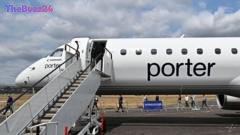
A Porter Airlines flight bound for Toronto from Victoria was significantly delayed and ultimately cancelled after a young child refused to wear a seat belt, leading to the passengers being rebooked for the following day. The incident, which occurred on August 6, forced the aircraft to return to the terminal before departure as the child was reportedly standing in their seat and resisting attempts to be secured.
Airline officials stated that despite efforts from the accompanying parent and crew, the situation could not be resolved, rendering the aircraft unsafe for takeoff. Consequently, the decision was made to deplane the child and their guardian. This disruption meant the flight missed its departure window before the runway’s midnight closure, necessitating the rebooking of all passengers.
The event has ignited a discussion online and among aviation experts regarding the balance between child passenger safety and airline policies. Child aviation safety expert Lia Tuso emphasized the crew’s decision as a necessary measure to protect everyone on board, noting that unrestrained children can pose a significant risk, akin to loose luggage, especially during critical flight phases like takeoff and landing.
Opinions are divided on how such situations should be handled. Some argue for stricter parental enforcement of rules, while others highlight that fear of flying can lead to unusual behavior in children. One passenger on the affected flight noted the child seemed scared and was attempting to evade being strapped in, rather than being intentionally disruptive. This incident echoes past events where similar disputes over child compliance led to passenger removal, prompting broader conversations about airline tolerance and passenger conduct.
Key Takeaways
- A Porter Airlines flight was cancelled due to a child's refusal to wear a seat belt, causing significant passenger inconvenience.
- The incident has renewed debate on child passenger safety, airline policies, and the enforcement of safety regulations.
- Aviation experts support the airline's decision as a necessary safety measure, while public opinion is divided on the handling of the situation.
Editor’s Analysis & Impact
This incident underscores the complex challenges airlines face in balancing safety protocols with passenger experience, particularly concerning minors. The financial and operational costs of such disruptions are substantial, impacting airline efficiency and passenger satisfaction. It highlights a potential need for clearer guidelines or specialized training for cabin crew in managing child-related safety issues. The debate also touches upon evolving societal views on parenting and discipline, and how these intersect with public transportation regulations. Moving forward, airlines may need to explore more proactive strategies, such as enhanced pre-flight communication with families or more nuanced de-escalation techniques, to mitigate similar occurrences.
Frequently Asked Questions
Q: Why was the entire flight cancelled?
A: The flight was cancelled because a child refused to wear a seat belt, creating an unsafe condition for takeoff. The airline's policy requires all passengers to be secured, and attempts to resolve the situation were unsuccessful, leading to the child and their guardian being deplaned. The delay caused the flight to miss its operational window before the runway closed.
Q: What are the safety risks of children not wearing seat belts on planes?
A: Unrestrained children can become projectiles during turbulence, takeoff, or landing, posing a serious risk of injury to themselves and other passengers. Similar to unsecured luggage, they can be thrown around the cabin with significant force.
Q: What are the airline's responsibilities in such situations?
A: Airlines have a primary responsibility to ensure the safety of all passengers and crew. This includes enforcing safety regulations, such as mandatory seat belt use. If a passenger, including a child, refuses to comply with safety instructions, the airline crew has the authority to remove them from the flight to maintain safety.
AI Disclosure: This article is based on verified data and official reports. Our Team and AI have cross-referenced every financial detail with primary sources to ensure total accuracy.
More from this Category