LVMH Leadership Cites Geopolitical Instability as Major Threat to Luxury Market Growth
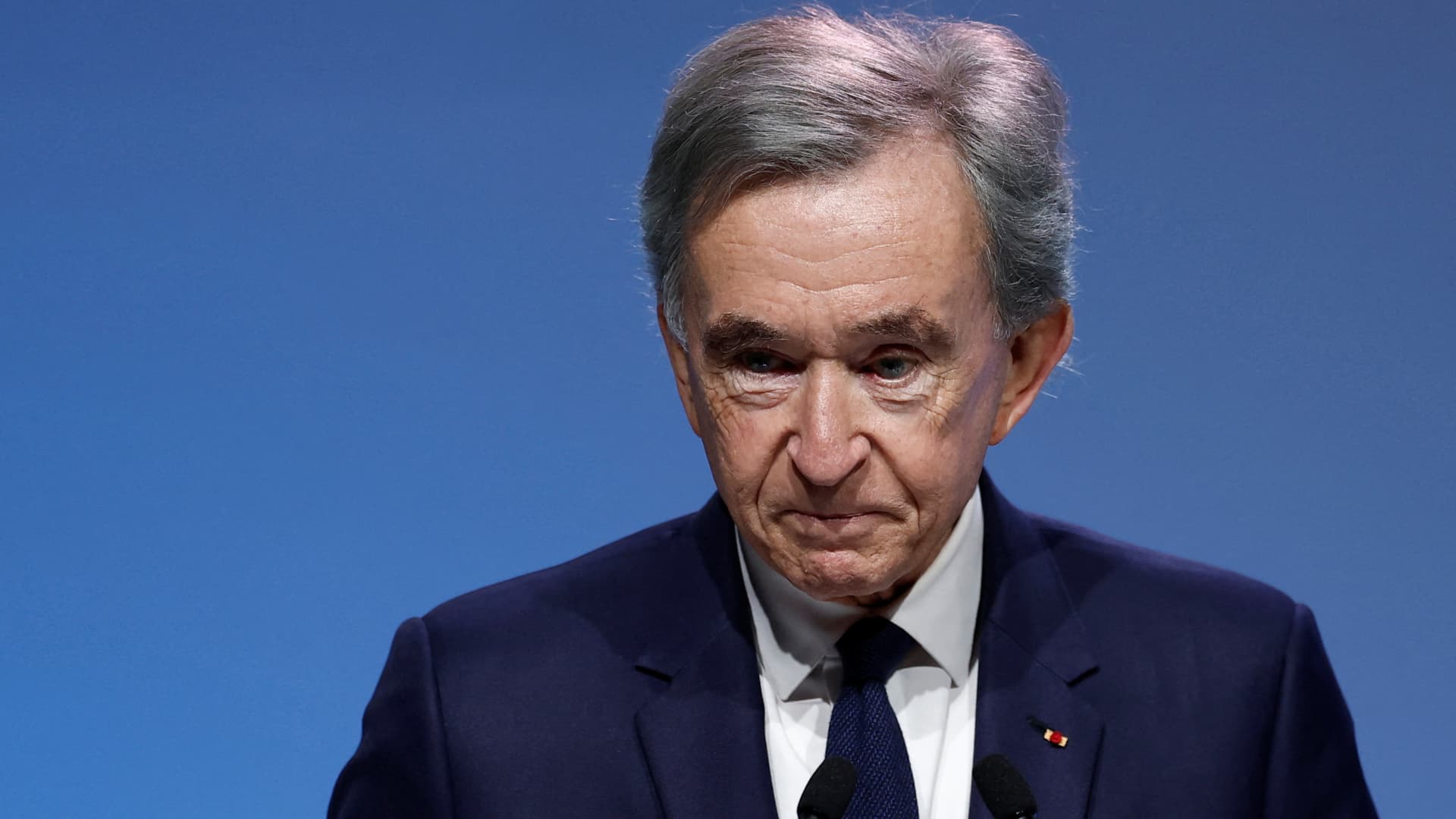
Bernard Arnault, the chief executive of luxury conglomerate LVMH, has issued a sobering assessment of the global economic landscape, pointing to escalating geopolitical tensions as a significant headwind for international trade. Speaking to shareholders in Paris, Arnault highlighted that ongoing conflicts in the Middle East have fostered an environment of profound uncertainty, warning that a lack of diplomatic resolution could exacerbate broader international crises.
The impact of this instability is already visible in the company’s recent financial performance. LVMH recorded a 1% decline in organic growth during the first quarter, a result that fell short of initial projections. While the current economic climate remains fragile, leadership suggested that a rapid de-escalation of regional hostilities could serve as a catalyst for a market rebound in the latter half of the year.
This volatility poses a substantial hurdle for the luxury sector, which had been anticipating a robust industry-wide recovery by 2026. Persistent geopolitical friction is increasingly eroding consumer confidence and reducing foot traffic in key retail markets. As these international tensions continue to unfold, luxury brands are finding that their growth trajectories are becoming inextricably linked to global political outcomes rather than traditional market dynamics.
Key Takeaways
- LVMH CEO Bernard Arnault identified ongoing Middle East conflicts as a primary risk to global economic stability.
- The company reported a 1% decline in organic growth for the first quarter, missing initial performance expectations.
- Geopolitical instability is threatening the luxury sector's projected 2026 recovery timeline by dampening consumer sentiment.
Editor’s Analysis & Impact
The cautionary stance from LVMH underscores the extreme sensitivity of the luxury market to macroeconomic and geopolitical shocks. Because luxury goods are inherently tied to discretionary spending and the confidence of high-net-worth individuals, they are often the first to experience the impact of regional instability. By publicly linking corporate performance to diplomatic outcomes, LVMH is signaling a new reality where international relations are a core component of business strategy. If these conflicts continue, the luxury sector will likely face a prolonged period of stagnation, potentially delaying the anticipated 2026 recovery. Investors should prepare for continued volatility, as market confidence remains tethered to the unpredictable nature of global political developments.
Frequently Asked Questions
Q: How has the current geopolitical climate affected LVMH's recent financial results?
A: The instability contributed to a 1% decline in organic growth during the first quarter, which fell short of the company's initial sales forecasts.
Q: What is the current outlook for the luxury industry's recovery?
A: The industry is facing significant uncertainty as geopolitical tensions dampen consumer sentiment, putting the previously projected 2026 recovery at risk.
AI Disclosure: This article is based on verified data and official reports. Our Team and AI have cross-referenced every financial detail with primary sources to ensure total accuracy.
More from this Category