Energy Markets Rally as Strait of Hormuz Tensions Reach Boiling Point
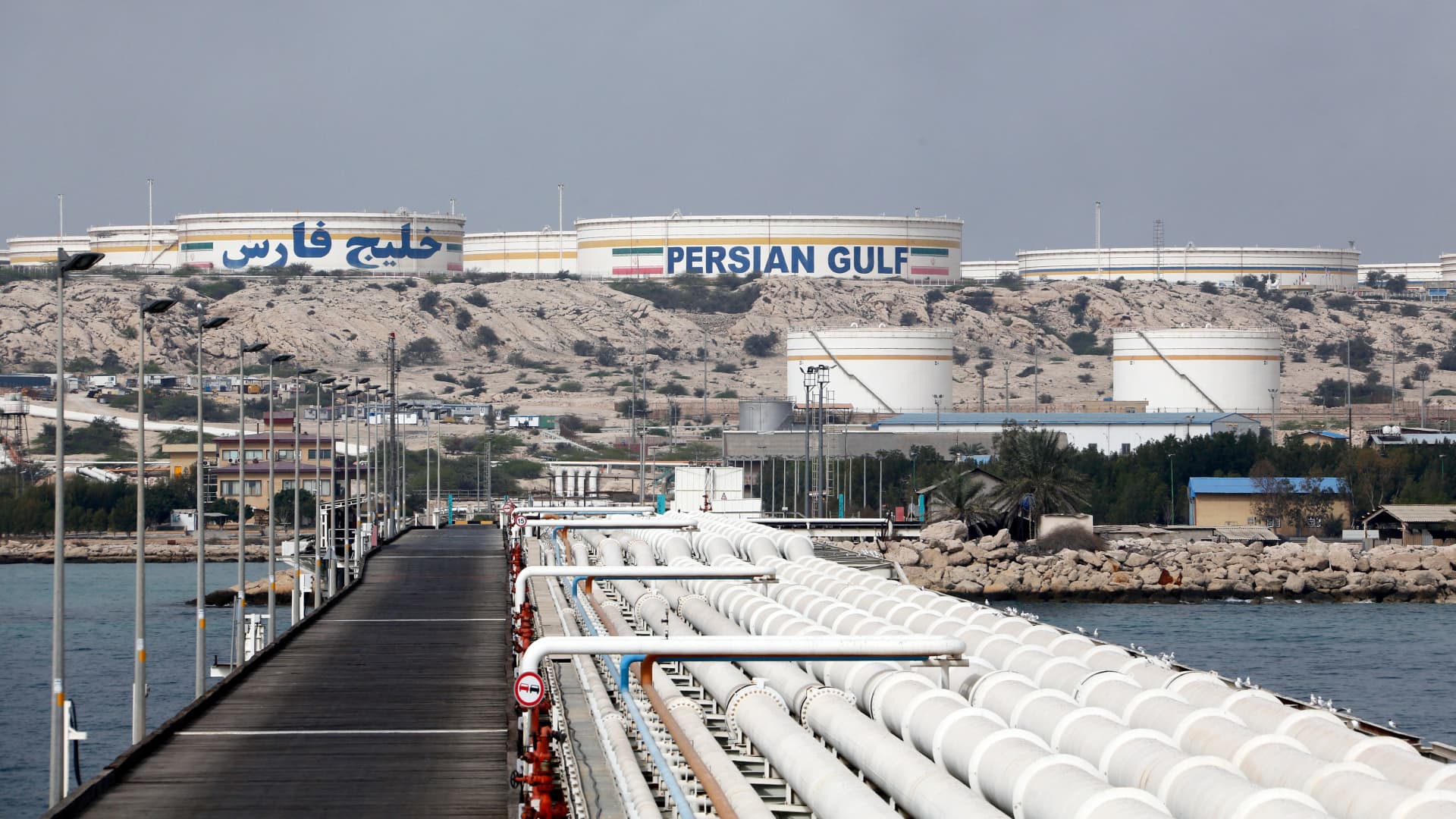
Global energy markets saw a significant surge on Thursday, with Brent crude futures climbing more than 3% to close at $105.07 per barrel. West Texas Intermediate (WTI) followed a similar trajectory, settling at $95.85. This sharp increase in pricing is directly linked to escalating geopolitical friction within the Strait of Hormuz, a vital maritime chokepoint that serves as a primary artery for global oil shipments.
The region has become a flashpoint for international conflict, as both the United States and Iran engage in competing enforcement actions. Maritime traffic has slowed to a crawl as both nations have begun seizing vessels, effectively disrupting the flow of energy supplies. Recent incidents include the detention of two cargo ships by Iranian forces, countered by the U.S. Navy’s interception of several Iranian oil tankers. The U.S. has increasingly asserted control over transit permissions in the area, adding layers of complexity and risk for commercial shipping operators.
Adding to the market anxiety are broader regional stability concerns, particularly following signals from Israeli leadership regarding potential military intervention against the Iranian government. The situation is further clouded by reports of internal political instability in Tehran, including the alleged resignation of lead negotiator Mohammad Bagher Ghalibaf. Market analysts warn that if the Revolutionary Guard continues to consolidate power over diplomatic processes, the likelihood of a more aggressive foreign policy increases, ensuring that energy prices will remain highly sensitive to any further developments in the region.
Key Takeaways
- Brent crude prices surpassed $105 per barrel due to heightened geopolitical risks in the Strait of Hormuz.
- Increased vessel seizures by both U.S. and Iranian forces have severely disrupted maritime energy transit.
- Internal political shifts in Tehran and potential military threats from Israel are fueling market volatility and uncertainty.
Editor’s Analysis & Impact
The current volatility in the Strait of Hormuz represents a systemic risk to the global energy supply chain. Because this chokepoint facilitates a massive percentage of the world’s daily oil transit, any sustained blockade or military escalation acts as an immediate ‘risk premium’ on crude prices. The shift toward a more hardline diplomatic stance in Tehran, potentially driven by the Revolutionary Guard, suggests that the window for a peaceful resolution is narrowing. Investors should anticipate continued price swings as the market reacts to every headline regarding vessel seizures and regional military posturing. If the situation degrades into a broader conflict, the resulting supply shock could force a significant re-evaluation of global energy security strategies, potentially accelerating the transition toward alternative energy sources to mitigate reliance on this unstable maritime corridor.
Frequently Asked Questions
Q: Why is the Strait of Hormuz so important to global oil prices?
A: The Strait of Hormuz is one of the world's most critical maritime chokepoints, through which a significant portion of the world's total oil production passes daily. Any disruption here threatens global supply, leading to immediate price spikes.
Q: How do vessel seizures impact the average consumer?
A: When vessels are seized or transit is restricted, the cost of transporting oil increases, and the fear of supply shortages drives up the price of crude oil. These costs are typically passed down to consumers in the form of higher gasoline and heating oil prices.
AI Disclosure: This article is based on verified data and official reports. Our Team and AI have cross-referenced every financial detail with primary sources to ensure total accuracy.
More from this Category