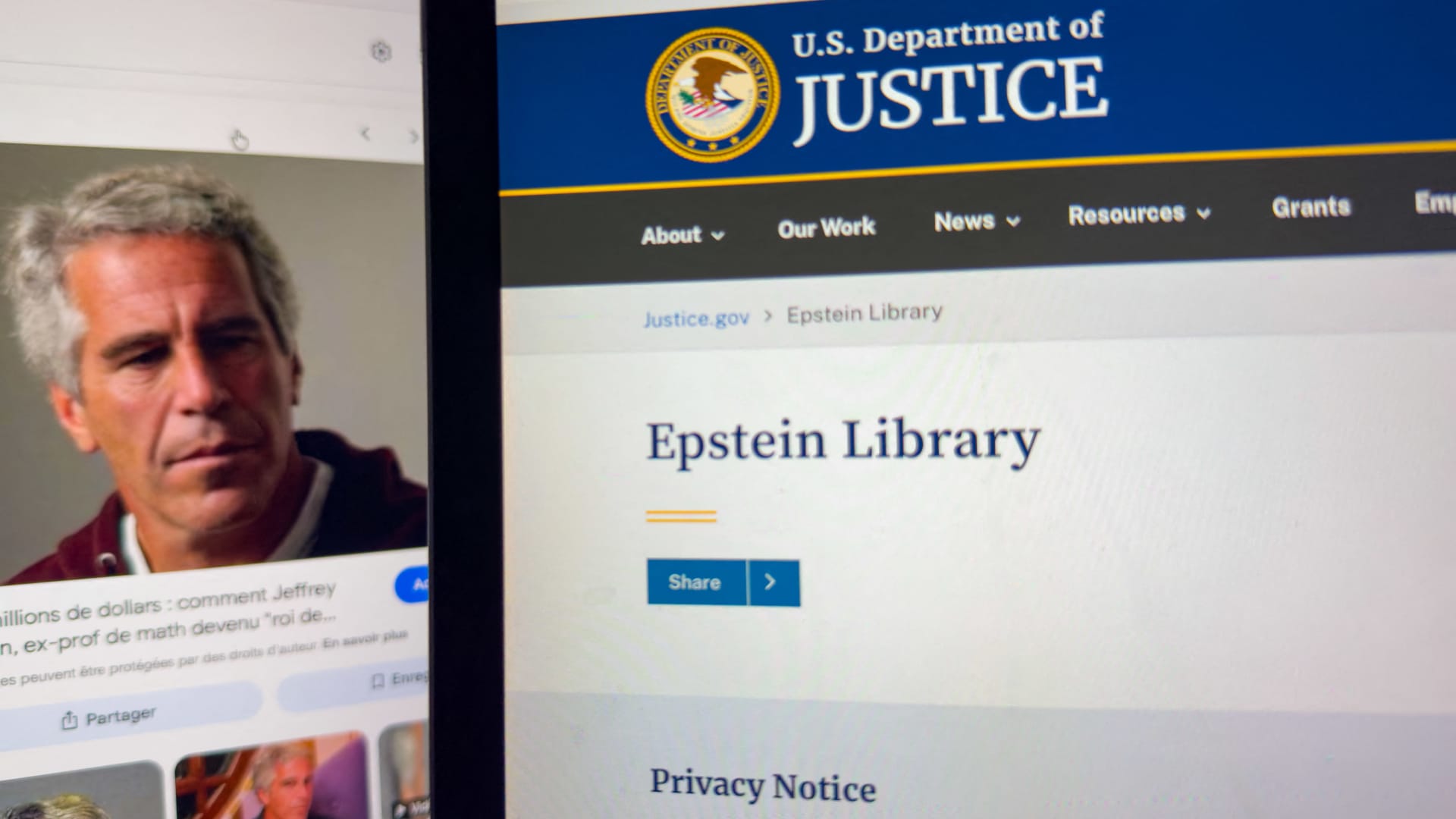
DOJ Inspector General Launches Formal Audit into Epstein Records Transparency
The Department of Justice’s Office of the Inspector General (OIG) has officially initiated a comprehensive audit to evaluate how the agency manages and discloses records tied to the late financier Jeffrey Epstein. This oversight initiative is a direct response to mounting concerns regarding the department’s adherence to the Epstein Files Transparency Act, a legislative mandate requiring the public release of documents involving Epstein and his associate, Ghislaine Maxwell.
Deputy Inspector General William Blier confirmed that the investigation will scrutinize the internal protocols the DOJ utilizes to identify, redact, and ultimately publish sensitive case materials. The primary objective is to determine whether the agency has maintained full compliance with federal transparency laws or if internal procedural failures have resulted in the improper withholding of critical documentation. The OIG has pledged to issue a public report upon the conclusion of the audit, with the potential to expand the investigation should initial findings reveal deeper systemic issues.
Legal advocates representing survivors of Epstein’s crimes have expressed support for the audit, characterizing it as a vital step toward achieving accountability. For years, victims have contended that the lack of transparency surrounding these files has obstructed the pursuit of justice and exacerbated the trauma of those involved. These advocates are now pushing for a rigorous review that ensures the government adheres strictly to the standards mandated by Congress.
This move follows intense political pressure and the enactment of the transparency law last November, which was designed to rectify concerns that previous DOJ leadership had failed to honor commitments regarding the disclosure of investigatory materials. By examining these internal processes, the OIG aims to uncover why certain records remained shielded for an extended period and whether the agency’s current protocols are sufficient to meet the requirements of federal law.
Key Takeaways
- The DOJ's Office of the Inspector General is conducting a formal audit to ensure compliance with the Epstein Files Transparency Act.
- The investigation focuses on the department's internal methods for identifying, redacting, and releasing sensitive case files.
- Legal advocates for survivors view the audit as a necessary measure to ensure government accountability and transparency.
Editor’s Analysis & Impact
The launch of an OIG audit into the Department of Justice’s handling of the Epstein records represents a critical moment for institutional accountability. By moving to verify whether the agency has complied with the Epstein Files Transparency Act, the OIG is addressing a significant gap in public trust. The broader implications of this audit extend beyond the specific case, as it sets a precedent for how federal agencies manage sensitive, high-profile investigatory files under legislative mandates. If the audit reveals systemic failures or intentional obstruction, it could lead to significant internal policy reforms and increased congressional oversight of the DOJ. Conversely, a finding of full compliance would shift the focus back to the legislative framework itself, potentially prompting further calls for more stringent transparency laws to ensure that public interest is prioritized over bureaucratic caution.
Frequently Asked Questions
Q: What is the primary goal of the OIG audit?
A: The audit aims to evaluate the Department of Justice's internal processes for identifying, redacting, and releasing records related to Jeffrey Epstein and Ghislaine Maxwell to ensure compliance with the Epstein Files Transparency Act.
Q: Will the findings of the audit be made public?
A: Yes, the Office of the Inspector General has committed to publishing a public report detailing the findings of the audit once the investigation is concluded.
AI Disclosure: This article is based on verified data and official reports. Our Team and AI have cross-referenced every financial detail with primary sources to ensure total accuracy.
More from this Category