White House Issues Warning Over Industrial-Scale AI Intellectual Property Theft
The United States government has issued a formal warning regarding what it describes as industrial-scale campaigns by Chinese entities to replicate proprietary American artificial intelligence systems. These operations reportedly utilize a process known as “distillation,” where sophisticated, high-cost AI models are leveraged to train smaller, cheaper replicas that are then distributed commercially. By bypassing the significant research and development costs associated with original AI creation, these actors are effectively undermining the competitive edge of U.S. technology firms.
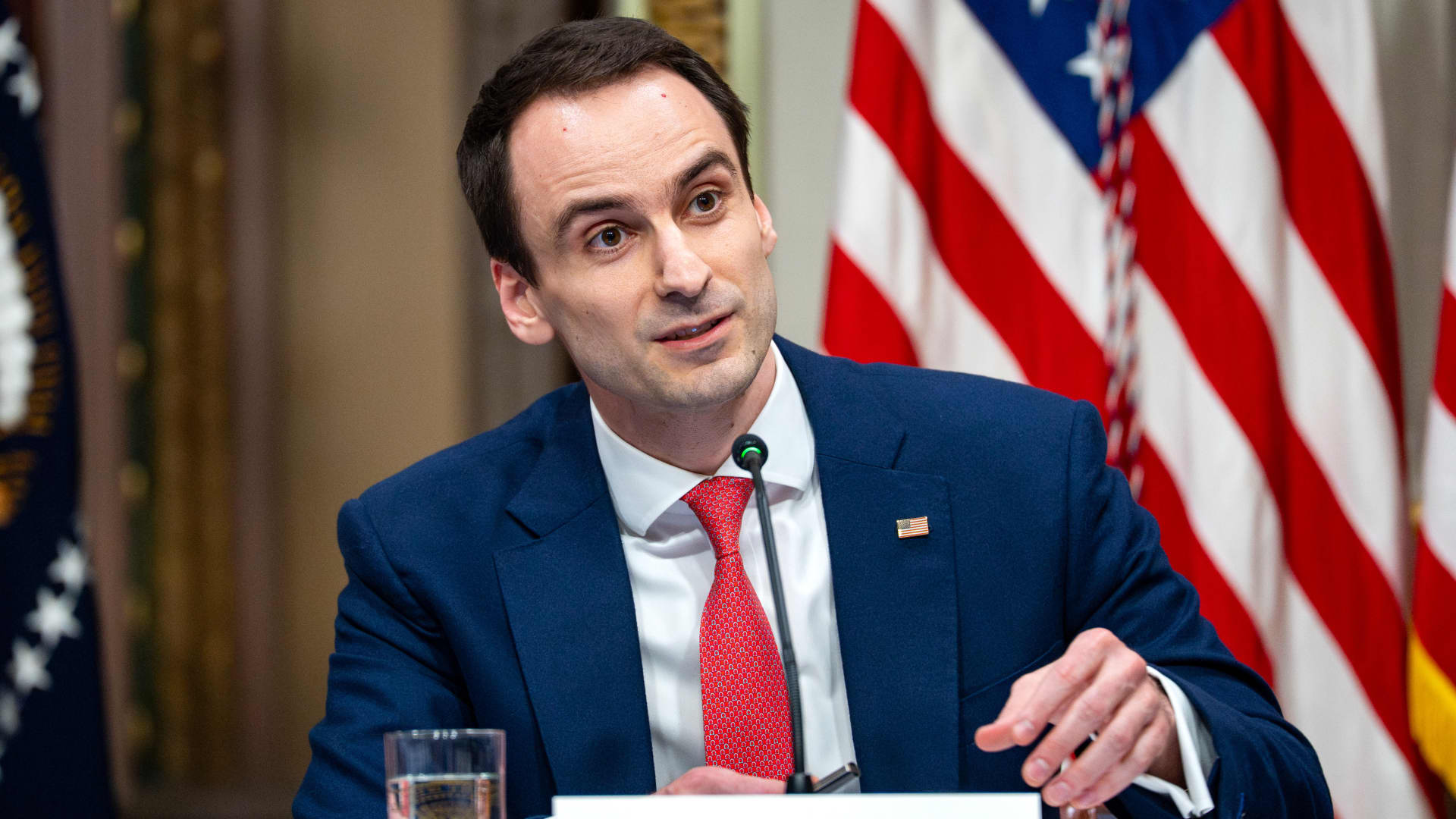
According to White House science and technology adviser Michael Kratsios, these covert activities often involve the use of thousands of proxy accounts and sophisticated jailbreak techniques designed to extract sensitive data from protected systems. Beyond the economic implications of intellectual property theft, officials are raising alarms about the safety and integrity of these replicated models. Because these copies often lack the rigorous ethical guardrails and security protocols embedded in the original software, they may pose significant risks to users and the broader digital ecosystem.
In response to these findings, the administration is preparing to share intelligence regarding these tactics with domestic AI companies to bolster their defenses. Officials have indicated that they are exploring a range of measures to hold foreign actors accountable for these actions. The administration also warned that organizations relying on these “distilled” models may face long-term instability, as the fragile foundations of copied software often fail to meet the reliability standards required for secure, enterprise-level applications.
Key Takeaways
- The U.S. government has identified systematic efforts by Chinese firms to replicate American AI models through unauthorized distillation.
- These campaigns utilize proxy accounts and jailbreak tactics to bypass security and extract proprietary data from advanced AI systems.
- The administration is planning to share intelligence with private sector partners and pursue accountability measures to protect U.S. intellectual property.
Editor’s Analysis & Impact
The White House’s public stance on AI distillation marks a significant escalation in the ongoing technological rivalry between the U.S. and China. By framing AI replication as a national security and economic threat, the administration is signaling that intellectual property protection in the age of generative AI will be a top priority. This move will likely force U.S. AI developers to implement more aggressive defensive measures, such as enhanced API monitoring and stricter access controls, to prevent data scraping. Furthermore, the warning serves as a cautionary tale for enterprises considering the adoption of cheaper, third-party AI models, as the lack of transparency and security in these ‘distilled’ versions could lead to significant liability and operational risks. As detection methods evolve, we can expect a tightening of international regulations surrounding AI model provenance and data usage.
Frequently Asked Questions
Q: What is AI distillation in this context?
A: In this context, distillation refers to the malicious practice of using a large, sophisticated AI model to train a smaller, cheaper replica, effectively stealing the intellectual property and capabilities of the original model without the cost of development.
Q: Why is the U.S. government concerned about these replicated models?
A: The government is concerned because these copies often lack the essential security and ethical safeguards built into the original models, potentially creating safety risks, while also undermining the economic investment and innovation of American AI companies.
AI Disclosure: This article is based on verified data and official reports. Our Team and AI have cross-referenced every financial detail with primary sources to ensure total accuracy.
More from this Category