Jerome Powell at a Crossroads: The Future of Federal Reserve Leadership
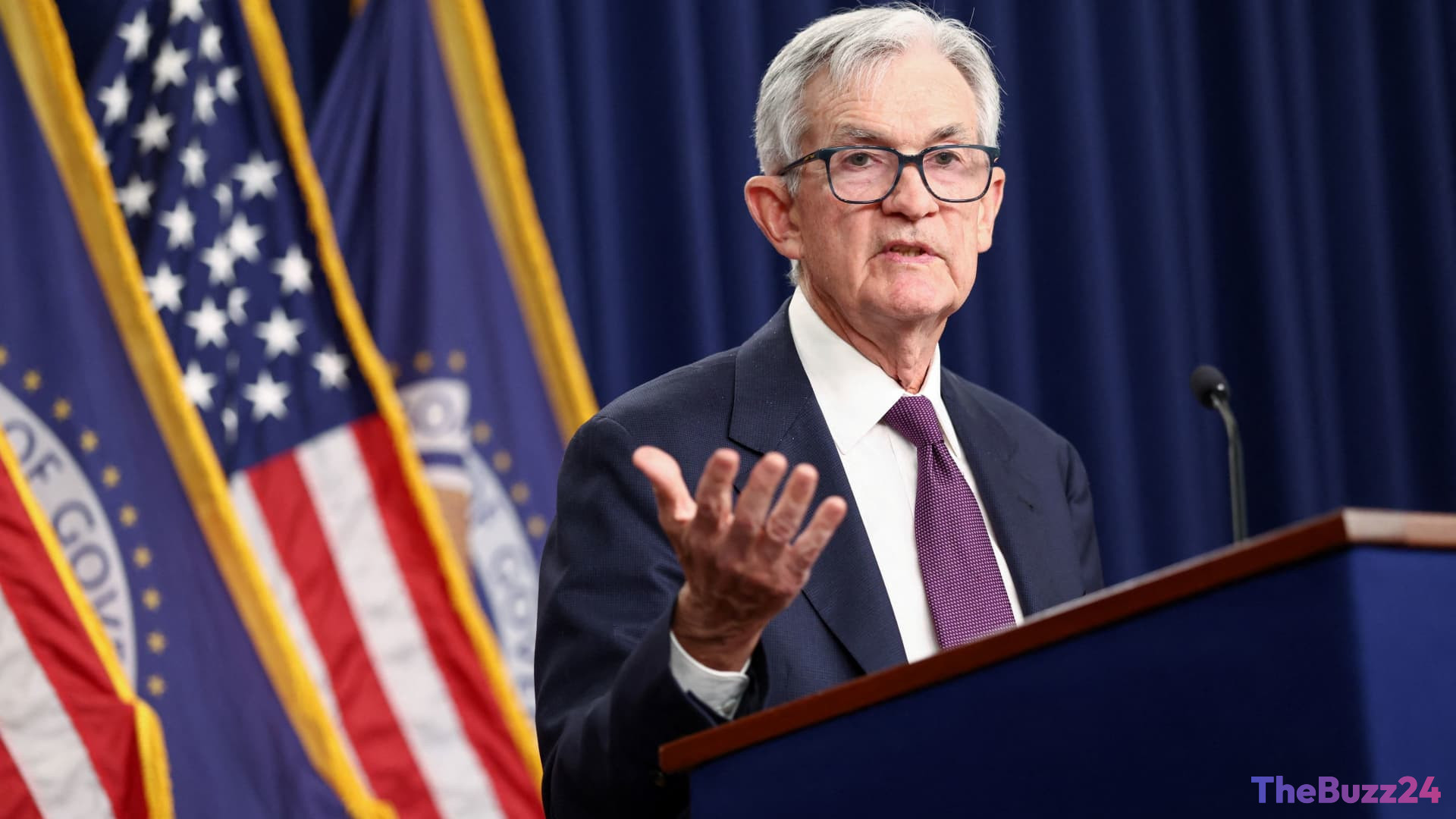
Federal Reserve Chair Jerome Powell is navigating a defining moment in his career as he evaluates his future at the central bank. Following the resolution of a criminal investigation into headquarters renovations—which has since been referred to the Fed’s inspector general—Powell must determine whether to step down at the conclusion of his term as chair or continue serving as a governor until his appointment expires in January 2028.
This decision carries profound implications for the Federal Reserve’s institutional independence. With political pressure mounting from the administration regarding interest rate policy and public suggestions that he should vacate his position, Powell’s next move is being scrutinized for signs of political influence. Observers suggest that remaining in his role as a governor for a period could serve as a stabilizing measure, signaling that his departure is not a result of external pressure or a forced settlement.
The potential vacancy on the seven-person Board of Governors is a focal point for market participants, as any change in leadership composition could alter the trajectory of long-term monetary policy. While some investors might welcome a clear transition plan, others remain focused on the necessity of maintaining the Fed’s autonomy. As the Senate proceeds with the confirmation process for Kevin Warsh as the next chair, the central bank faces a critical period of transition aimed at balancing operational continuity with shifting political dynamics.
Key Takeaways
- Jerome Powell is deciding whether to remain on the Board of Governors until 2028 or depart following the end of his term as chair.
- The decision comes amid political pressure and the resolution of a legal probe into Federal Reserve headquarters renovations.
- The Senate is currently moving forward with the confirmation of Kevin Warsh as the successor to the chair position.
Editor’s Analysis & Impact
The potential departure of Jerome Powell represents a significant inflection point for U.S. monetary policy. The Federal Reserve’s credibility is built upon its perceived independence from executive branch interference; therefore, the optics of Powell’s exit are as important as the policy implications. If he remains as a governor, it may provide a sense of institutional continuity, but it could also create friction with an administration seeking to reshape the board. Markets are currently pricing in a transition, but any perceived erosion of the Fed’s autonomy could lead to increased volatility in bond markets and uncertainty regarding inflation targeting. The appointment of Kevin Warsh suggests a shift in the board’s ideological makeup, which will likely influence the pace and direction of interest rate adjustments in the coming years.
Frequently Asked Questions
Q: When does Jerome Powell's term as a governor expire?
A: Jerome Powell's appointment as a governor of the Federal Reserve runs until January 2028.
Q: Who has been nominated to succeed Jerome Powell as Federal Reserve Chair?
A: Kevin Warsh has been nominated as the successor to Jerome Powell, and the Senate is currently moving forward with his confirmation process.
AI Disclosure: This article is based on verified data and official reports. Our Team and AI have cross-referenced every financial detail with primary sources to ensure total accuracy.
More from this Category