The AI Revolution: How Virtual Production is Reshaping Hollywood Economics
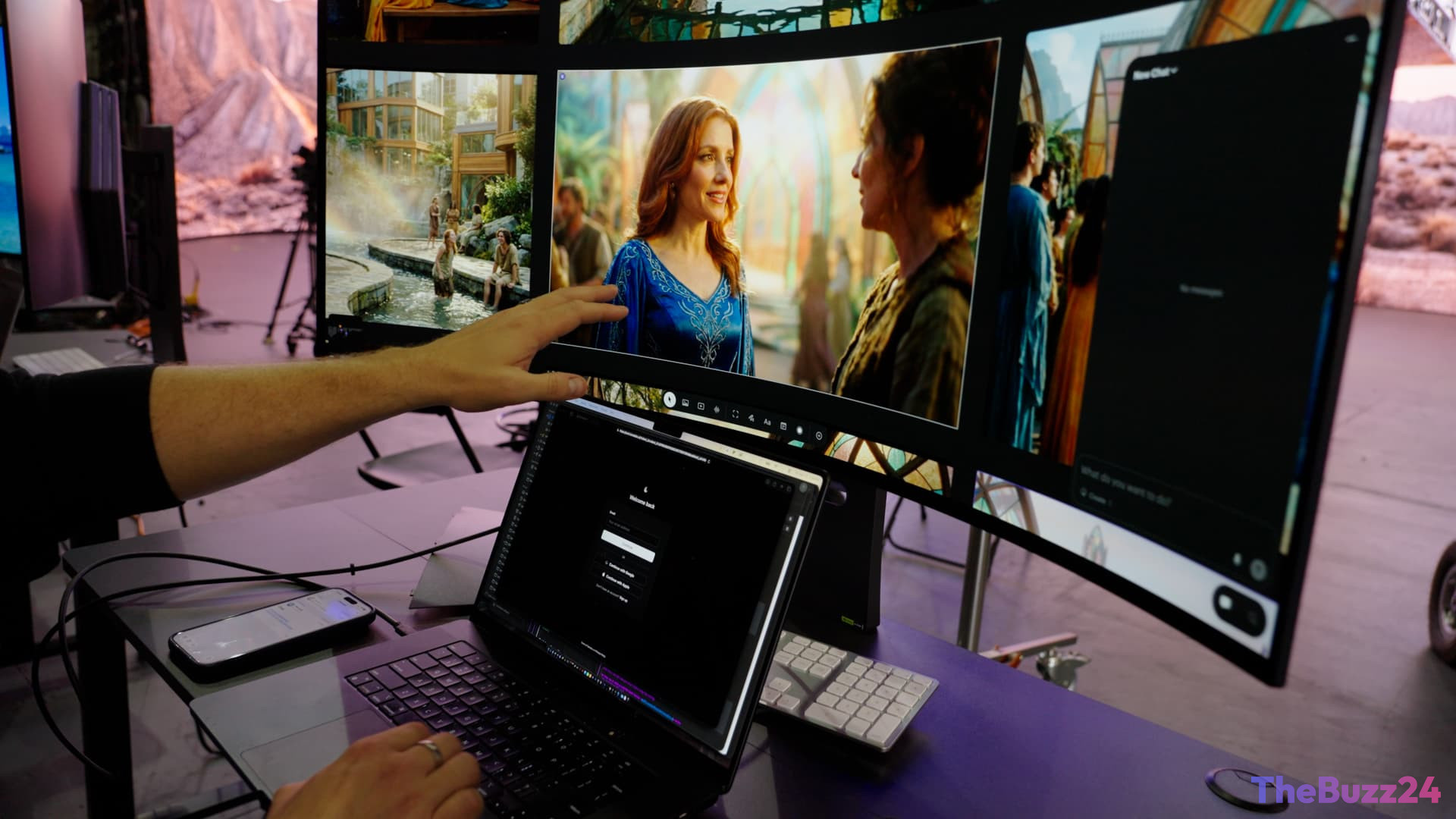
The film industry is undergoing a significant transformation as Innovative Dreams introduces a hybrid production model that merges traditional cinematic techniques with advanced artificial intelligence. By utilizing infrastructure from Amazon Web Services and generative AI tools from Luma, the studio is effectively streamlining the filmmaking lifecycle. The integration of physical soundstages with LED walls and sophisticated software, such as Google’s Nano Banana and Bytedance’s SeeDream, allows for a drastic reduction in both production timelines and capital expenditure.
At the core of this methodology is the goal of augmenting human creativity rather than replacing it. CEO Jon Erwin emphasizes that the process maps physical performances and motion capture onto digital assets, ensuring that actors can engage with virtual environments without sacrificing the nuance of traditional cinematography. This approach was recently demonstrated during the production of the series “The Old Stories: Moses,” featuring Ben Kingsley. The team successfully simulated 40 distinct global locations in just one week, a task that would have historically demanded months of international travel and a substantially higher budget.
This technological pivot arrives as the entertainment sector navigates post-pandemic economic challenges and the aftermath of labor disputes. While the automation of set design, wardrobe, and makeup has ignited discussions regarding the future of creative roles, proponents suggest these tools are vital for long-term industry viability. Innovative Dreams argues that its model promotes sustainability and aims to keep high-budget productions within Southern California, potentially bolstering the local economy by making large-scale projects more cost-effective to produce domestically.
Key Takeaways
- Innovative Dreams is using a hybrid model of physical soundstages and AI to drastically cut production costs and time.
- The technology allows for the simulation of dozens of global locations in a single week, as seen in the production of 'The Old Stories: Moses'.
- The studio aims to keep large-scale film projects in Southern California by making them more financially sustainable through AI integration.
Editor’s Analysis & Impact
The integration of generative AI into high-end film production represents a pivotal shift in the economics of entertainment. By decoupling location-based filming from physical travel, studios can mitigate the logistical risks and ballooning budgets that have plagued the industry in recent years. While the displacement of traditional set and costume design roles remains a contentious issue, the industry is clearly moving toward a ‘virtual-first’ paradigm. This transition is likely to favor studios that can balance technical efficiency with the high-quality human performances audiences expect. In the long term, this could lead to a democratization of high-budget filmmaking, allowing smaller production houses to compete with major studios, provided they can master the complex AI-driven workflows now becoming the industry standard.
Frequently Asked Questions
Q: Does AI replace the actors in this new production model?
A: No, the model focuses on augmenting human performance. Actors perform physically, and their movements are mapped onto digital assets to interact with virtual environments.
Q: What is the primary benefit of using virtual soundstages?
A: The primary benefit is efficiency; it allows productions to simulate various global locations in a controlled environment, saving significant time and money on travel and logistics.
AI Disclosure: This article is based on verified data and official reports. Our Team and AI have cross-referenced every financial detail with primary sources to ensure total accuracy.
More from this Category