High-Stakes Diplomacy: U.S. and Iran Delegations Converge in Islamabad Amid Tensions
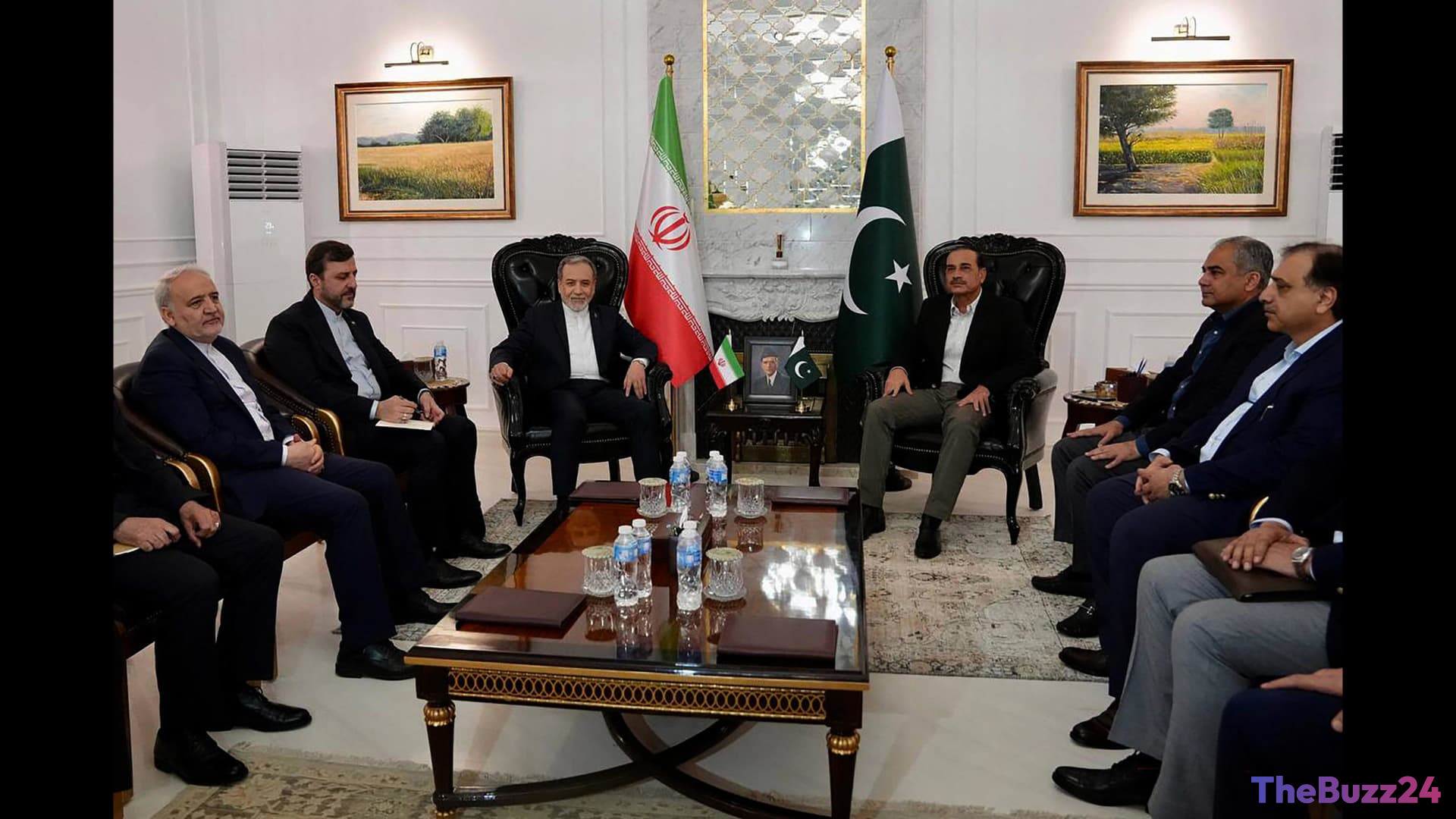
Diplomatic efforts to address the ongoing friction between the United States and Iran have reached a critical juncture as delegations from both nations arrive in Pakistan. The situation remains fluid, characterized by conflicting public narratives regarding the nature of these meetings. Iranian Foreign Minister Abbas Araghchi is currently in Islamabad for high-level discussions with Pakistani military leadership, though Tehran has officially denied that these engagements involve any direct contact with American representatives.
Conversely, the White House has confirmed the presence of a U.S. delegation, led by special envoy Steve Witkoff and Jared Kushner. According to administration officials, the mission was initiated following outreach from Iranian representatives, and there is a stated hope that the trip could facilitate a path toward formal dialogue. President Donald Trump has expressed an expectation for a concrete proposal from the Iranian side, though the specific details of any potential framework remain under wraps.
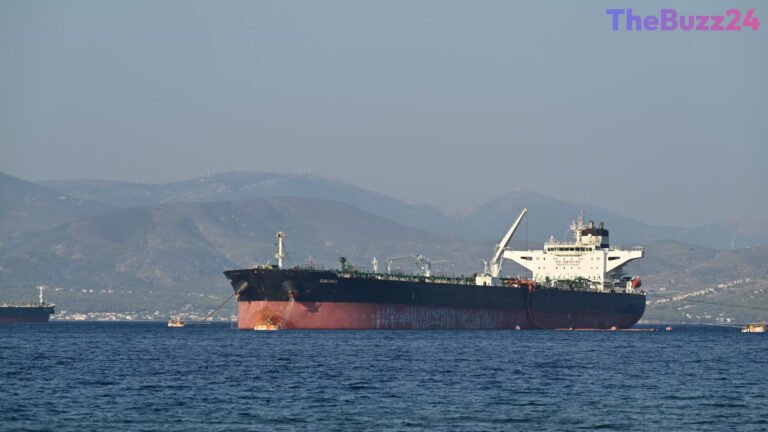
These diplomatic maneuvers occur against a backdrop of intense economic and military pressure. The United States continues to enforce a naval blockade in the Strait of Hormuz, a critical chokepoint for global energy supplies, and has signaled that this posture will remain until a resolution is achieved. Treasury Secretary Scott Bessent has underscored the administration’s commitment to this strategy, confirming that waivers for Iranian oil purchases will not be renewed. This stance is further bolstered by recent sanctions targeting international entities involved in processing Iranian petroleum, leaving the international community to monitor the situation in Islamabad for signs of a potential breakthrough.
Key Takeaways
- U.S. and Iranian delegations are both present in Pakistan, though Iran denies that direct negotiations are currently on the agenda.
- The U.S. continues to exert economic pressure through a naval blockade in the Strait of Hormuz and strict enforcement of oil sanctions.
- The White House maintains that the diplomatic mission was initiated following outreach from Iranian representatives.
Editor’s Analysis & Impact
The current diplomatic maneuvering in Islamabad represents a high-stakes gamble for both Washington and Tehran. The juxtaposition of aggressive economic sanctions—specifically the targeting of oil refineries and the maintenance of the Strait of Hormuz blockade—with the dispatch of a high-level U.S. delegation suggests a ‘maximum pressure’ strategy aimed at forcing Iran to the table. For the global economy, the outcome of these talks is critical; the stability of oil transit routes remains a primary concern for energy markets. However, the conflicting public messaging from Tehran indicates significant internal political friction or a strategic attempt to maintain leverage. If these talks fail to produce a concrete framework, the risk of a prolonged regional impasse or accidental military escalation remains high, potentially destabilizing global trade routes and energy prices for the foreseeable future.
Frequently Asked Questions
Q: Are the U.S. and Iran currently holding direct talks in Pakistan?
A: While the U.S. has confirmed sending a delegation for the purpose of direct dialogue, Iranian officials have publicly denied that any such meeting with American representatives is on their agenda.
Q: What is the current status of U.S. sanctions on Iranian oil?
A: The U.S. is maintaining strict economic pressure, with Treasury Secretary Scott Bessent confirming that waivers for the purchase of Iranian oil will not be renewed, and recent sanctions have been applied to entities processing Iranian petroleum.
AI Disclosure: This article is based on verified data and official reports. Our Team and AI have cross-referenced every financial detail with primary sources to ensure total accuracy.
More from this Category