U.S. Abandons Pakistan-Mediated Talks with Iran Amid Stalled Diplomatic Efforts
Diplomatic channels aimed at de-escalating tensions between the United States and Iran have suffered a major setback. The White House has officially canceled a planned delegation to Pakistan, which was intended to serve as a neutral ground for discussions regarding the ongoing regional conflict. President Donald Trump dismissed the necessity of the trip, characterizing it as unproductive and asserting that any future negotiations must be conducted through direct communication between the two nations.
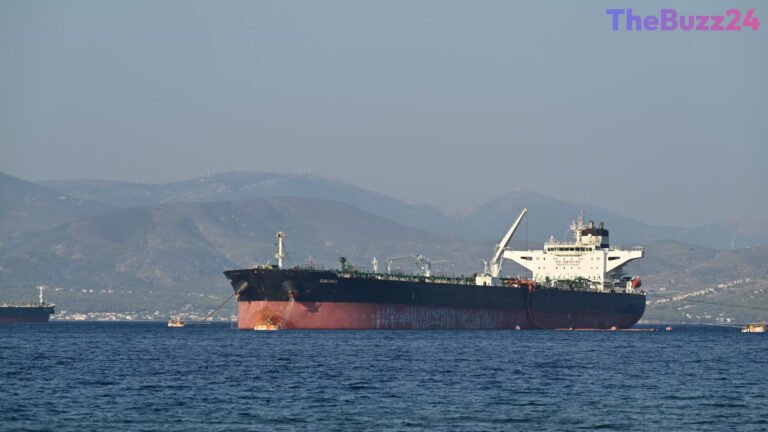
The cancellation follows a series of high-level meetings in Islamabad, where Iranian Foreign Minister Abbas Araghchi presented a proposed framework for ending hostilities. Despite these overtures, Araghchi has publicly questioned the sincerity of the U.S. commitment to a peaceful resolution. The situation remains precarious, particularly around the Strait of Hormuz, where the U.S. continues to enforce a naval presence to curb Iranian oil exports, while Iran maintains restrictive measures on maritime traffic through the critical waterway.
Administration officials have pointed to internal leadership instability within Tehran as a primary obstacle to meaningful progress, suggesting that a lack of clarity in Iran’s decision-making hierarchy complicates the negotiation process. While the White House insists that the cancellation of these specific talks does not immediately signal an escalation of military conflict, the broader regional landscape remains volatile. With ongoing military exchanges between Israel and Hezbollah in southern Lebanon, the window for a sustainable diplomatic breakthrough appears to be closing rapidly.
Key Takeaways
- The U.S. has canceled a planned delegation to Pakistan intended to facilitate diplomatic talks with Iran.
- President Trump stated that any future negotiations must occur through direct contact rather than third-party mediation.
- Tensions remain high in the Strait of Hormuz, with both nations continuing to enforce restrictive measures on maritime and economic activity.
Editor’s Analysis & Impact
The collapse of the Pakistan-led mediation effort underscores the profound lack of trust currently defining U.S.-Iran relations. By insisting on direct negotiations, the U.S. is attempting to bypass intermediaries, yet this strategy risks leaving a vacuum where miscalculations could easily spiral into direct military confrontation. The focus on Iran’s internal leadership confusion suggests that the U.S. is currently prioritizing a ‘wait-and-see’ approach, hoping that economic pressure from naval blockades will eventually force a more favorable negotiating position. However, the concurrent instability in Lebanon and the strategic importance of the Strait of Hormuz mean that the status quo is unsustainable. Without a formal diplomatic framework, the risk of accidental escalation remains the single greatest threat to regional stability in the coming months.
Frequently Asked Questions
Q: Why did the U.S. cancel the talks in Pakistan?
A: The U.S. administration deemed the trip a waste of time, insisting that if Iran wishes to negotiate, they should initiate contact directly with the U.S. rather than through third-party intermediaries.
Q: What is the current status of the conflict in the Strait of Hormuz?
A: The region remains in a tense standoff. The U.S. maintains a naval presence to restrict Iranian oil exports, while Iran has responded by imposing its own restrictions on maritime passage through the waterway.
AI Disclosure: This article is based on verified data and official reports. Our Team and AI have cross-referenced every financial detail with primary sources to ensure total accuracy.
More from this Category