The Shipping Surge: Why Logistics Infrastructure is Outpacing Oil Profits
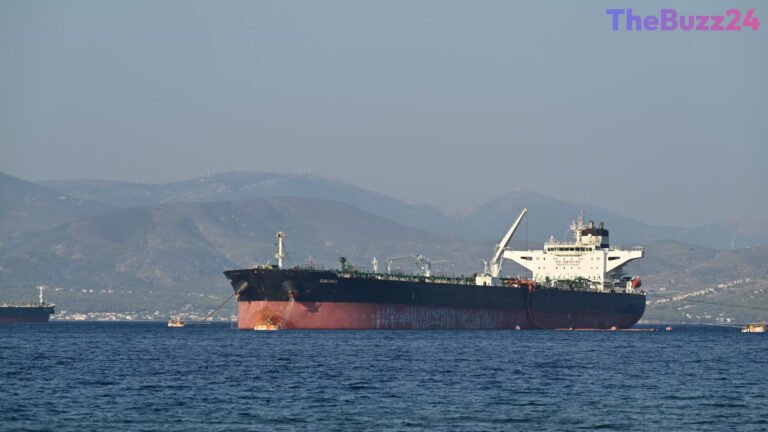
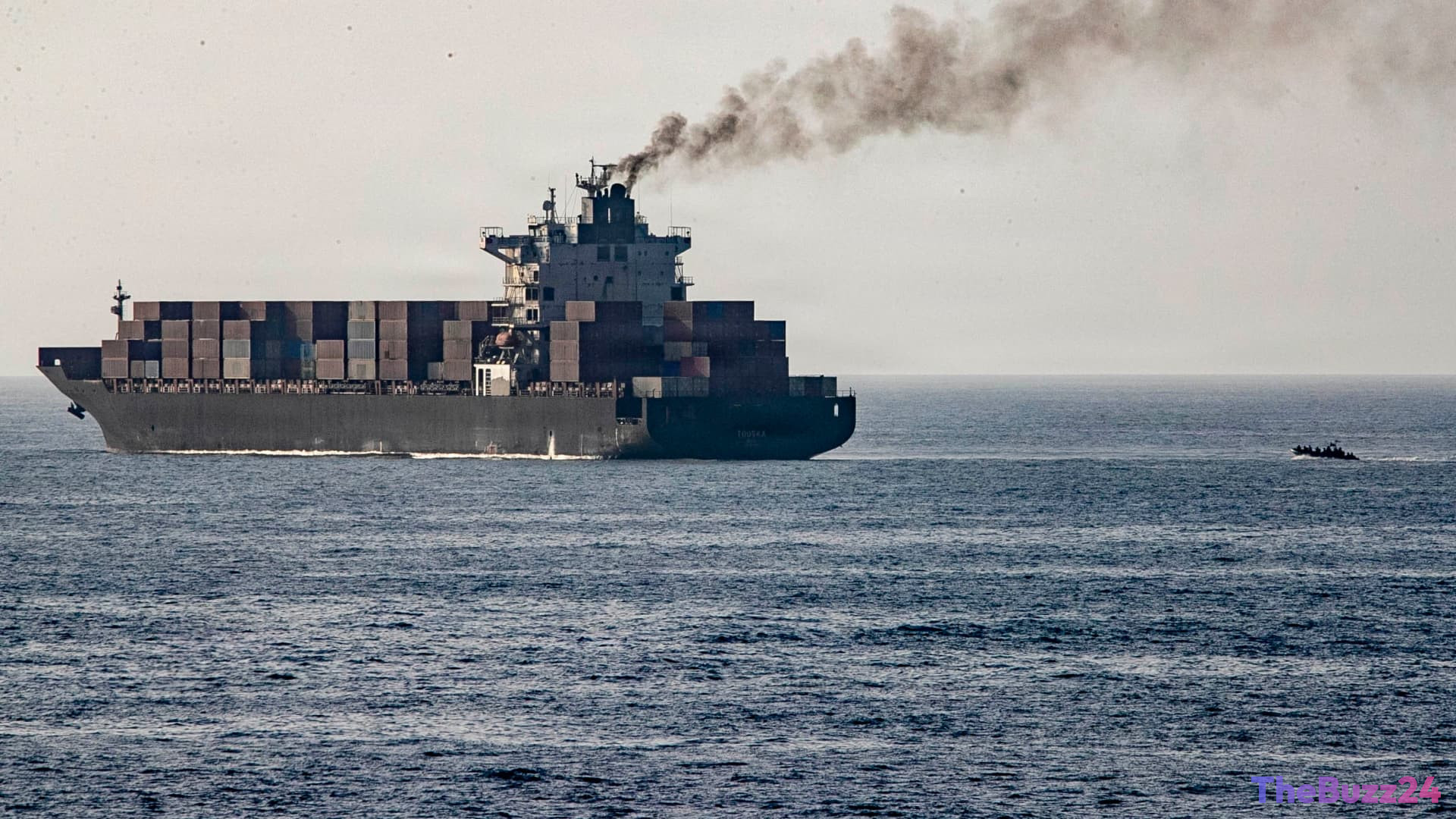
As geopolitical instability continues to reshape global energy markets, investors are pivoting away from raw commodity speculation toward the critical infrastructure that facilitates global trade. While traditional energy stocks have enjoyed a strong year, the Breakwave Tanker Shipping ETF (BWET) has captured significant attention, posting gains exceeding 600% year-to-date. This performance underscores a fundamental shift in market dynamics, where the cost of transporting energy has become a more reliable indicator of volatility than the price of the underlying commodity itself.
The rapid escalation in shipping rates is primarily driven by mounting tensions in essential maritime corridors, most notably the Strait of Hormuz. These disruptions have caused freight futures to climb sharply, prompting a strategic reassessment of where leverage exists within the energy sector. Rather than focusing exclusively on the price of crude oil, capital is increasingly flowing into the logistics networks that sustain the global economy, effectively turning shipping costs into a barometer for geopolitical risk.
Industry experts suggest this trend is symptomatic of a broader, long-term issue involving chronic underinvestment in energy infrastructure and the urgent need for more resilient supply chains. Even prior to the recent intensification of conflicts in the Middle East, global commodity markets were already under considerable strain. As nations and corporations prioritize the security of their energy supplies, the systems responsible for moving these resources have moved to the forefront of investment strategies.
Despite the substantial returns seen in the shipping sector, financial professionals advise a measured approach. The tanker market is inherently volatile and remains highly sensitive to sudden geopolitical shocks. While current conditions have created a unique tailwind for shipping-related assets, the sector’s performance remains tied to the unpredictable nature of global security. Nevertheless, the recent influx of interest suggests that investors are increasingly looking past commodity price fluctuations to find value in the essential infrastructure that keeps the global economy moving.
Key Takeaways
- The Breakwave Tanker Shipping ETF (BWET) has outperformed traditional oil stocks with a 600% year-to-date surge.
- Rising shipping rates are being driven by geopolitical tensions in critical maritime corridors like the Strait of Hormuz.
- Investors are shifting focus from raw commodity prices to the logistics infrastructure that supports global energy supply chains.
Editor’s Analysis & Impact
The meteoric rise of shipping-related assets like BWET signals a sophisticated shift in how the market prices geopolitical risk. For decades, investors primarily used oil futures as a hedge against instability; however, the current environment demonstrates that the ‘bottleneck’—the physical transport of goods—is now the primary point of failure and, consequently, the primary source of profit. This trend highlights a structural vulnerability in global trade: the lack of redundant energy infrastructure. Looking ahead, we expect continued volatility in freight rates as long as maritime security remains compromised. While this offers high-reward opportunities for tactical investors, it also serves as a warning that global supply chains are becoming increasingly fragile, potentially leading to sustained inflationary pressure on energy costs for the foreseeable future.
Frequently Asked Questions
Q: Why is the Breakwave Tanker Shipping ETF (BWET) performing so well?
A: BWET is benefiting from skyrocketing freight rates caused by geopolitical instability and disruptions in key maritime shipping lanes, which have increased the value of the infrastructure responsible for transporting energy.
Q: Is investing in shipping ETFs considered safe?
A: No, the tanker shipping market is considered highly volatile. While it has seen significant gains recently, it is extremely reactive to short-term geopolitical shocks and requires a cautious investment approach.
AI Disclosure: This article is based on verified data and official reports. Our Team and AI have cross-referenced every financial detail with primary sources to ensure total accuracy.
More from this Category