Appeals Court Blocks Trump’s Mail-In Voting Order for 23 States
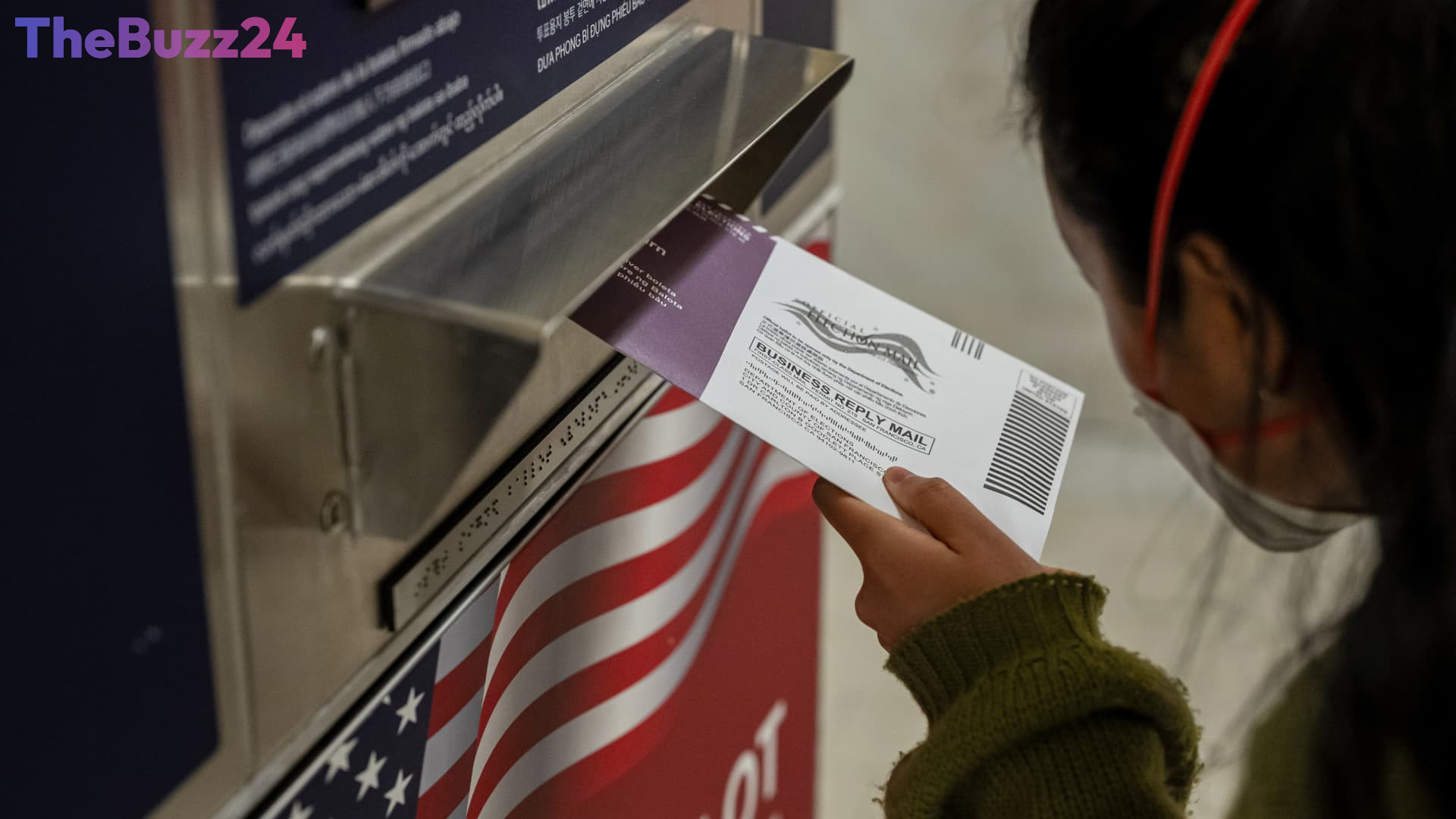
A federal appeals court has refused to reinstate an executive order from the Trump administration aimed at imposing stricter regulations on mail-in voting. The 1st U.S. Circuit Court of Appeals in Boston, in a 2-1 decision, rejected the administration’s plea to lift a lower court’s injunction that had halted the order’s implementation in 23 states.
The original injunction was granted by a federal judge who found that significant portions of the executive order were unconstitutional. The Department of Justice had argued that the challenge was premature, as federal agencies had not yet finalized policies to enact the directive. However, the appeals court disagreed, stating that the order’s immediate deadlines for states to coordinate with federal officials and adapt to new voting procedures left them with no practical alternative but to respond promptly.
President Trump’s March executive order sought to mandate that the Department of Homeland Security compile lists of eligible U.S. citizens for states to use in verifying mail-in voters. It also directed the U.S. Postal Service to deliver ballots only to individuals on approved state lists and instructed the Department of Justice to prioritize prosecuting election officials who issued ballots to ineligible persons. Critics argued that these measures overstepped presidential authority and could disenfranchise voters.
This ruling follows a previous instance where a federal judge in Washington, D.C., dismissed a similar legal challenge to the order. The Justice Department has indicated it might seek intervention from the U.S. Supreme Court if it does not prevail in further appeals.
Key Takeaways
- A federal appeals court has blocked President Trump's executive order on mail-in voting from being implemented in 23 states.
- The court ruled that states had no choice but to respond to the order's immediate deadlines, making the challenge not premature.
- The order aimed to tighten mail-in voting rules, including requiring U.S. citizen verification and restricting ballot delivery by the USPS.
Editor’s Analysis & Impact
This judicial decision represents a significant setback for the Trump administration’s efforts to alter voting procedures ahead of a critical election. The appeals court’s affirmation of the lower court’s ruling underscores the legal challenges surrounding executive overreach in election administration, a domain primarily governed by states. The ruling highlights the tension between federal directives and state autonomy in managing elections. The potential escalation to the Supreme Court indicates the high stakes involved and the broader implications for election integrity debates and the future of mail-in voting regulations.
Frequently Asked Questions
Q: What was the main goal of President Trump's executive order on mail-in voting?
A: The executive order aimed to tighten rules for mail-in voting by requiring federal agencies to compile lists of eligible U.S. citizens for states, directing the U.S. Postal Service to deliver ballots only to approved voters, and prioritizing the prosecution of election officials who issue ballots to ineligible individuals.
Q: Why did the appeals court reject the administration's request?
A: The appeals court rejected the administration's request because it found that the executive order imposed immediate deadlines and new procedures on states, leaving them with no practical choice but to respond promptly. Therefore, the challenge was not considered premature.
Q: What are the potential next steps for the Trump administration?
A: The Department of Justice has indicated that it may ask the U.S. Supreme Court to intervene if it does not receive a favorable ruling from the 1st U.S. Circuit Court of Appeals.
AI Disclosure: This article is based on verified data and official reports. Our Team and AI have cross-referenced every financial detail with primary sources to ensure total accuracy.
More from this Category