Political Rift Widens: MAHA Movement Challenges GOP Over Glyphosate Regulation
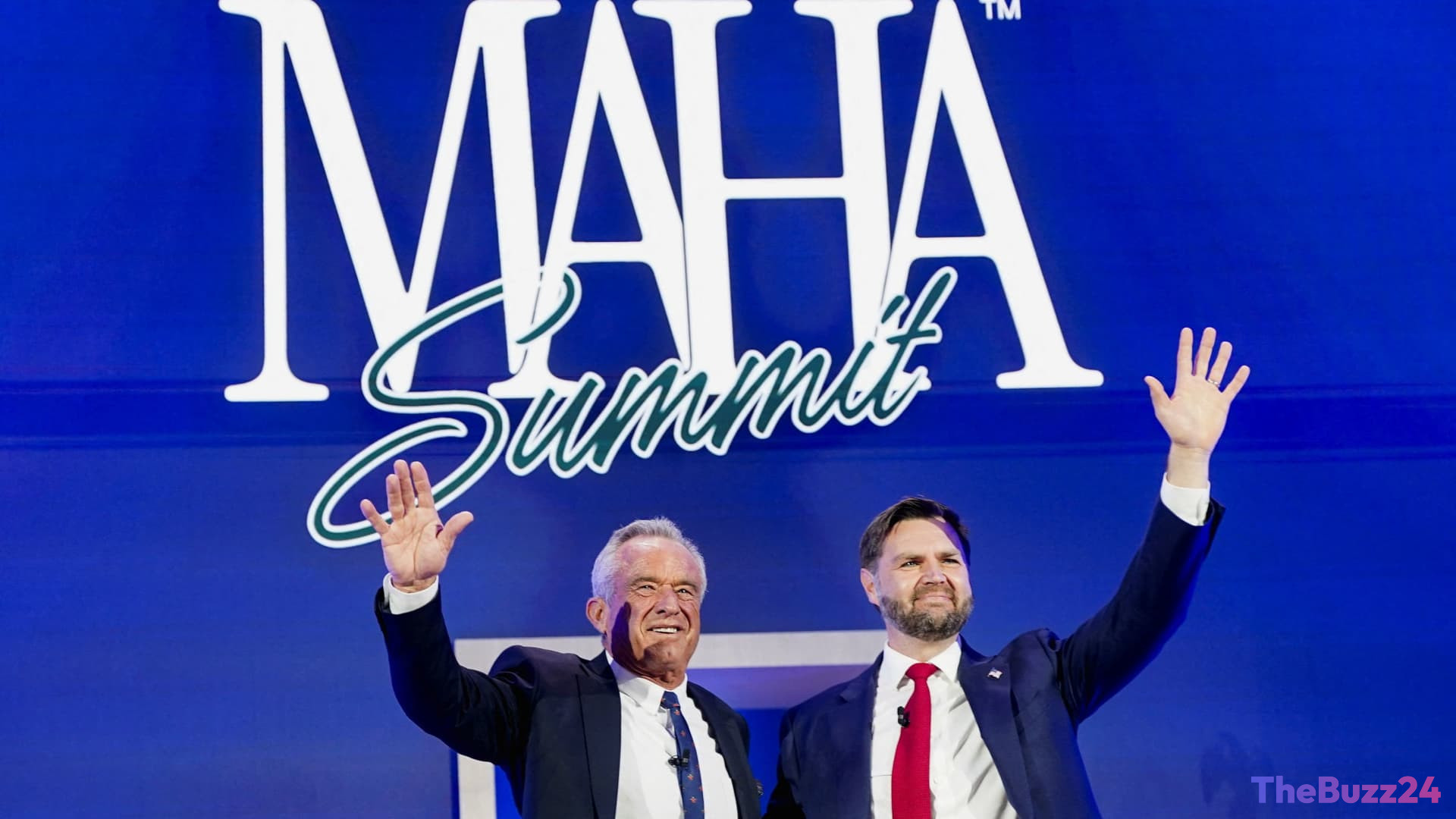
A growing political divide is emerging between the ‘Make America Healthy Again’ (MAHA) movement and the Republican party, primarily driven by conflicting views on the regulation of the herbicide glyphosate. The tension has reached a boiling point as the Supreme Court prepares to deliberate on whether federal law should preempt state-level litigation against Bayer’s Roundup, while simultaneously, the House advances a new farm bill that has drawn sharp criticism from health advocates.
The administration’s decision to support Bayer in the upcoming Supreme Court case has become a focal point of the controversy. Government officials argue that a uniform federal standard for pesticide labeling is essential to maintain regulatory consistency and uphold the authority of the Environmental Protection Agency. However, members of the MAHA movement, who advocate for the reduction of synthetic chemicals in the food supply, perceive this legal position as a prioritization of corporate interests over public health, especially in light of numerous lawsuits linking glyphosate exposure to cancer.
Legislative efforts in the House have further exacerbated these tensions. The proposed farm bill includes language that critics characterize as a ‘liability shield’ for pesticide manufacturers. While House Agriculture Chair G.T. Thompson maintains that these provisions are necessary to ensure scientific consistency in labeling, activists argue that the bill effectively removes the ability of citizens to seek legal recourse against chemical companies. This ongoing dispute has created a significant challenge for the administration as it attempts to balance industry stability with the demands of a key health-focused voting bloc.
As the 2026 midterm elections approach, the political fallout from this disagreement remains uncertain. While the administration is actively engaging with advocates to mitigate friction, the final outcome of the Supreme Court proceedings and the specific language included in the farm bill will serve as a critical test for the future of the alliance between the MAHA movement and the Republican party. Whether this frustration leads to voter apathy or a realignment of priorities remains a central question for political strategists.
Key Takeaways
- The MAHA movement is clashing with the GOP over the administration's support for Bayer in a Supreme Court case regarding glyphosate labeling.
- Proposed language in the new House farm bill is being criticized by activists as a 'liability shield' that prevents citizens from suing pesticide manufacturers.
- The conflict threatens to alienate a significant portion of the administration's base, potentially impacting voter turnout in the 2026 midterm elections.
Editor’s Analysis & Impact
The friction between the MAHA movement and the Republican party highlights a broader, systemic tension between industrial agricultural interests and the rising ‘clean food’ political movement. From a market perspective, the Supreme Court’s ruling on federal preemption will be a watershed moment for companies like Bayer, as a favorable outcome could significantly reduce litigation risk and legal overhead. Conversely, if the administration continues to align with corporate interests at the expense of its health-conscious base, it risks a long-term erosion of political capital. The industry should expect continued volatility in agricultural policy as these two factions struggle to define the future of chemical regulation. The outcome will likely dictate whether future farm bills prioritize corporate liability protection or shift toward more stringent, health-oriented regulatory frameworks.
Frequently Asked Questions
Q: Why is the MAHA movement upset with the current administration?
A: The movement is dissatisfied because the administration is supporting Bayer in a Supreme Court case that could prevent state-level lawsuits against the company regarding its herbicide, Roundup.
Q: What is the 'liability shield' mentioned in the farm bill?
A: Critics argue that specific language in the pending farm bill would protect pesticide manufacturers from being held legally accountable by citizens in court, effectively limiting the ability to sue over health-related damages.
AI Disclosure: This article is based on verified data and official reports. Our Team and AI have cross-referenced every financial detail with primary sources to ensure total accuracy.
More from this Category