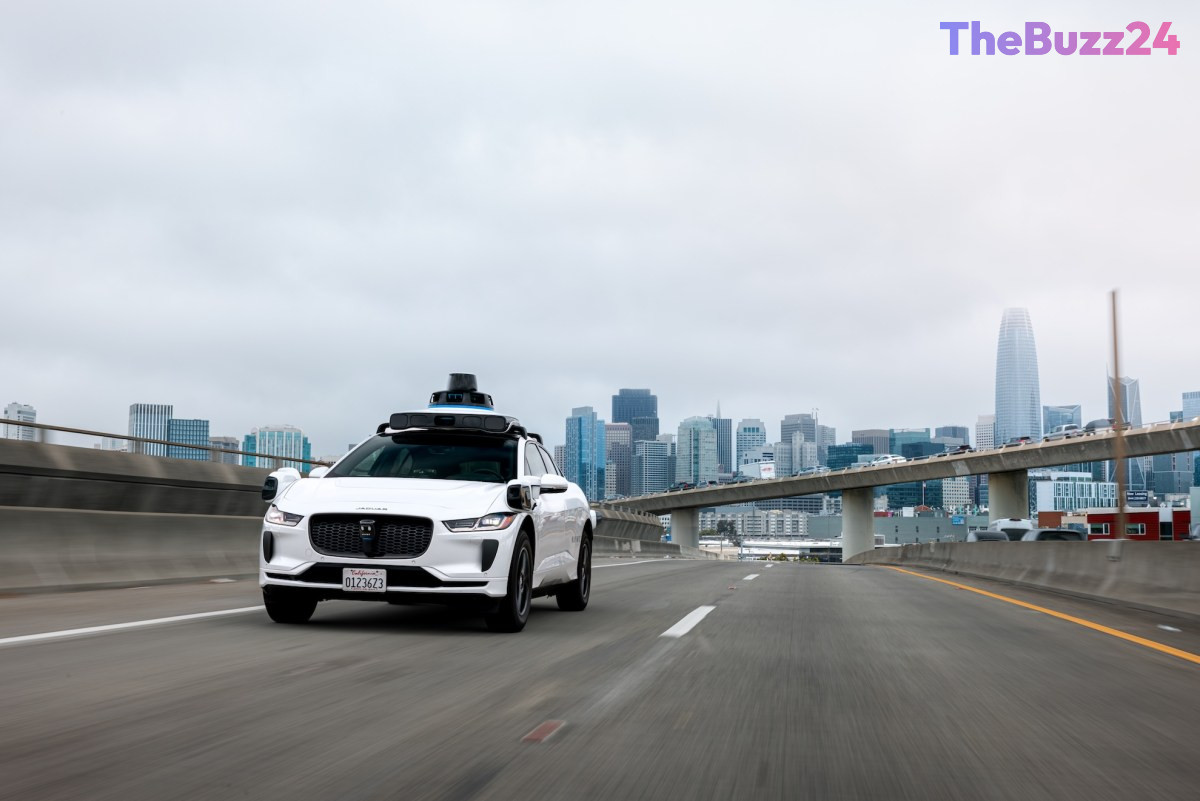
Waymo Brings Robotaxis Back to Freeways Following Safety Overhaul
Autonomous vehicle pioneer Waymo is gradually reintroducing high-speed freeway routes to its commercial robotaxi fleet, months after temporarily halting these operations due to navigation challenges near highway construction zones. The phased rollout commenced in Phoenix, serving as the company’s initial market for the return, with expansions slated for the San Francisco Bay Area and Los Angeles shortly after.
The decision to resume freeway driving follows the implementation of targeted software enhancements designed to optimize vehicle performance in complex traffic environments, particularly around active work zones. Engineers integrated advanced scene recognition capabilities and refined routing algorithms to ensure the autonomous system can safely navigate changing highway conditions without incident.
This operational restart coincides with a period of heightened regulatory focus on autonomous driving technology. Lawmakers have recently introduced legislative proposals urging federal regulators to institute standardized national safety benchmarks for self-driving fleets, addressing previous concerns regarding emergency vehicle obstruction and handling of traffic control devices. Despite these broader regulatory discussions, Waymo’s return to the freeways marks a vital step forward in offering passengers faster commute times and streamlined airport access across its major service regions.
Key Takeaways
- Waymo is officially returning its robotaxi fleet to freeway routes, starting with Phoenix and expanding to California markets.
- The resumption follows a temporary suspension and a voluntary software recall tied to performance issues around construction zones.
- New software updates feature enhanced scene recognition and improved routing to handle complex highway environments safely.
Editor’s Analysis & Impact
Waymo’s methodical return to freeway operations represents a critical milestone for the commercial autonomous vehicle industry. Freeways are essential for unlocking shorter commuter times and enabling scalable airport transit, which are crucial for long-term profitability and consumer adoption. However, the temporary suspension and subsequent software recall underscore the immense engineering challenges of deploying Level 4 autonomy in unpredictable, high-speed environments. As regulatory scrutiny intensifies at both the state and federal levels, the success of Waymo’s upgraded software will heavily influence public trust and future legislative frameworks surrounding autonomous mobility. Maintaining flawless safety metrics during this rollout is paramount for the company’s broader expansion strategy.
Frequently Asked Questions
Q: Why did Waymo temporarily stop freeway operations?
A: Waymo halted freeway driving after identifying performance issues and instances of its vehicles entering highway sections closed for construction, leading to a voluntary software recall.
Q: What improvements were made before resuming freeway routes?
A: The company implemented software updates that include enhanced scene recognition and improved routing algorithms designed to navigate construction zones more safely.
Q: Which cities are getting Waymo freeway routes first?
A: Phoenix is the first market to see the return of freeway routes, with other major markets like Los Angeles and the San Francisco Bay Area following closely behind.
AI Disclosure: This article is based on verified data and official reports. Our Team and AI have cross-referenced every financial detail with primary sources to ensure total accuracy.
More from this Category