Federal Scrutiny Intensifies in Alaska Senate Race Amid Ballot Confusion
The U.S. Department of Justice (DOJ) has significantly escalated its involvement in Alaska’s U.S. Senate election, initiating both a civil lawsuit and an ongoing criminal investigation. The federal intervention stems from concerns over potential voter confusion caused by the presence of two candidates named Dan Sullivan on the ballot, one being the incumbent Republican Senator and the other a retired school teacher. The DOJ’s actions aim to safeguard election integrity, particularly as the crucial November 3rd Election Day approaches.
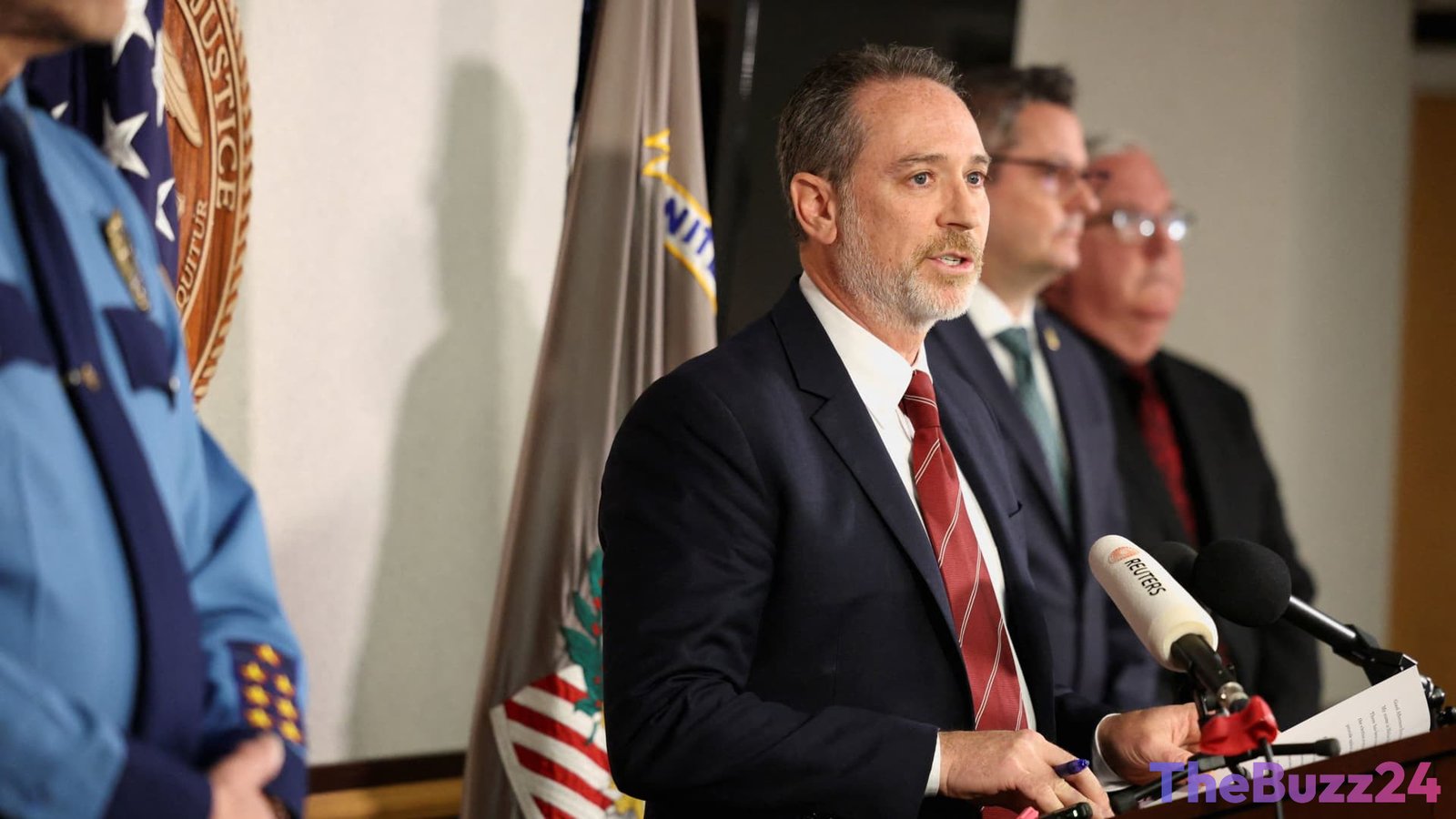
In its civil complaint, the DOJ is seeking a federal court order to preserve and segregate all ballots cast for the non-incumbent Dan Sullivan. This measure is intended to facilitate a potential investigation into whether voters mistakenly ranked him, believing he was the sitting Senator. Furthermore, the department is requesting that state election officials be blocked from immediately certifying the race’s results if Senator Sullivan loses by a margin that could be attributed to this alleged confusion. Concurrently, U.S. Attorney for Alaska Michael Heyman confirmed an “ongoing” criminal investigation into the circumstances surrounding the retired teacher’s decision to run for the Senate. Heyman indicated that the probe has accelerated following reports suggesting aides from Democratic nominee Mary Peltola’s campaign and the Democratic Senatorial Campaign Committee (DSCC) may have helped recruit the non-incumbent Sullivan to draw votes from the incumbent. Both Peltola’s campaign and the DSCC have denied any involvement.
The DOJ’s intervention has met strong opposition from Democratic nominee Mary Peltola’s campaign and state election officials, who are actively seeking to dismiss the federal lawsuit. They argue that the Department of Justice lacks the legal authority to interfere with state election certification processes, particularly concerning issues like shared candidate names on a ballot. Federal District Court Judge Sharon Gleason is currently fast-tracking motions to dismiss the DOJ’s suit, with a ruling potentially coming before Election Day. The state and intervenors contend that the U.S. Constitution grants states and Congress exclusive power over federal election regulation, not the DOJ in this context.
The outcome of this legal and criminal battle carries significant weight, as the Alaska Senate race could be pivotal in determining which party controls the U.S. Senate starting in January. Alaska utilizes ranked-choice voting, a system where voters rank candidates by preference. If no candidate secures over 50% of the initial vote, the candidate with the fewest votes is eliminated, and their voters’ second choices are reallocated. The DOJ’s efforts underscore a broader concern about voter intent and the potential for strategic candidacies to influence election results in complex voting systems.
Key Takeaways
- The U.S. Department of Justice has launched both a civil lawsuit and a criminal investigation into Alaska's U.S. Senate race.
- The federal intervention is driven by concerns over voter confusion due to two candidates named Dan Sullivan on the ballot, one being the incumbent Senator.
- The DOJ seeks to segregate ballots for the non-incumbent Sullivan and potentially delay election certification, while also investigating allegations of strategic recruitment to influence the vote.
Editor’s Analysis & Impact
This situation in Alaska highlights a growing vulnerability in electoral systems, particularly those employing ranked-choice voting, where candidate namesakes can introduce significant complexity and potential for manipulation. The DOJ’s dual civil and criminal probes signal a serious federal commitment to election integrity, moving beyond mere procedural oversight to investigate potential strategic interference. If the DOJ’s claims of intentional recruitment are substantiated, it could set a precedent for future interventions in elections where candidate identity confusion is suspected. The outcome will not only impact the immediate Senate balance of power but also spark broader discussions on ballot design, voter education, and the legal boundaries of campaign tactics, potentially leading to new regulations or judicial interpretations regarding election interference.
Frequently Asked Questions
Q: What is the core issue in the Alaska Senate race according to the DOJ?
A: The core issue is potential voter confusion caused by two candidates named Dan Sullivan appearing on the ballot. The DOJ is concerned that voters might mistakenly rank the non-incumbent Dan Sullivan, believing he is the incumbent Republican Senator Dan Sullivan, thereby affecting the election's integrity.
Q: What actions is the Department of Justice taking?
A: The DOJ is pursuing a civil lawsuit to segregate ballots cast for the non-incumbent Dan Sullivan and potentially block the immediate certification of the election results. Concurrently, it has an ongoing criminal investigation into how and why the non-incumbent Dan Sullivan decided to run, with allegations of strategic recruitment by Democratic campaign aides.
Q: Why are state election officials and Mary Peltola's campaign opposing the DOJ's involvement?
A: They argue that the DOJ lacks the legal authority to intervene in state election certification processes. They contend that the U.S. Constitution grants states and Congress exclusive power over federal election regulation, and the DOJ's lawsuit is an overreach of federal power.
AI Disclosure: This article is based on verified data and official reports. Our Team and AI have cross-referenced every financial detail with primary sources to ensure total accuracy.
More from this Category