Oil Markets Rally as U.S.-Iran Diplomatic Hopes Fade
Global energy markets experienced a sharp increase in volatility this week, with Brent crude prices briefly climbing above $108 per barrel. This upward pressure on oil prices follows the sudden collapse of anticipated diplomatic efforts between the United States and Iran, sparking widespread concern over the stability of international energy supplies.
The diplomatic impasse stems from the cancellation of planned meetings between U.S. envoys and Iranian officials. Although Iranian Foreign Minister Abbas Araghchi traveled to Islamabad for discussions, the absence of direct U.S. participation has left the path toward de-escalation unclear. The current administration has signaled skepticism regarding the internal stability of the Iranian government, casting doubt on the feasibility of productive negotiations in the near term.
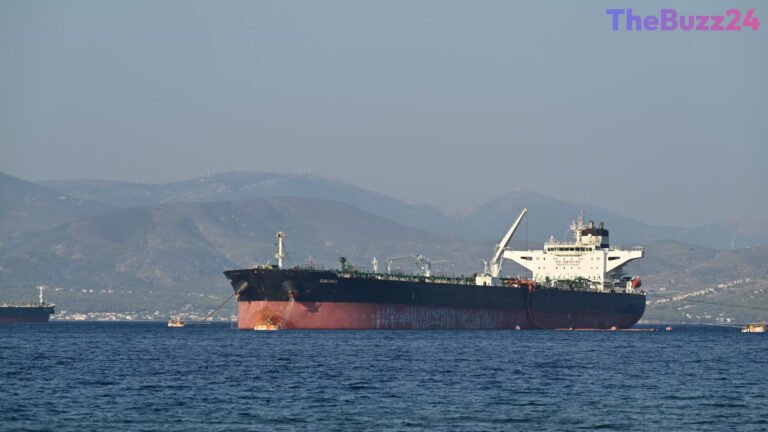
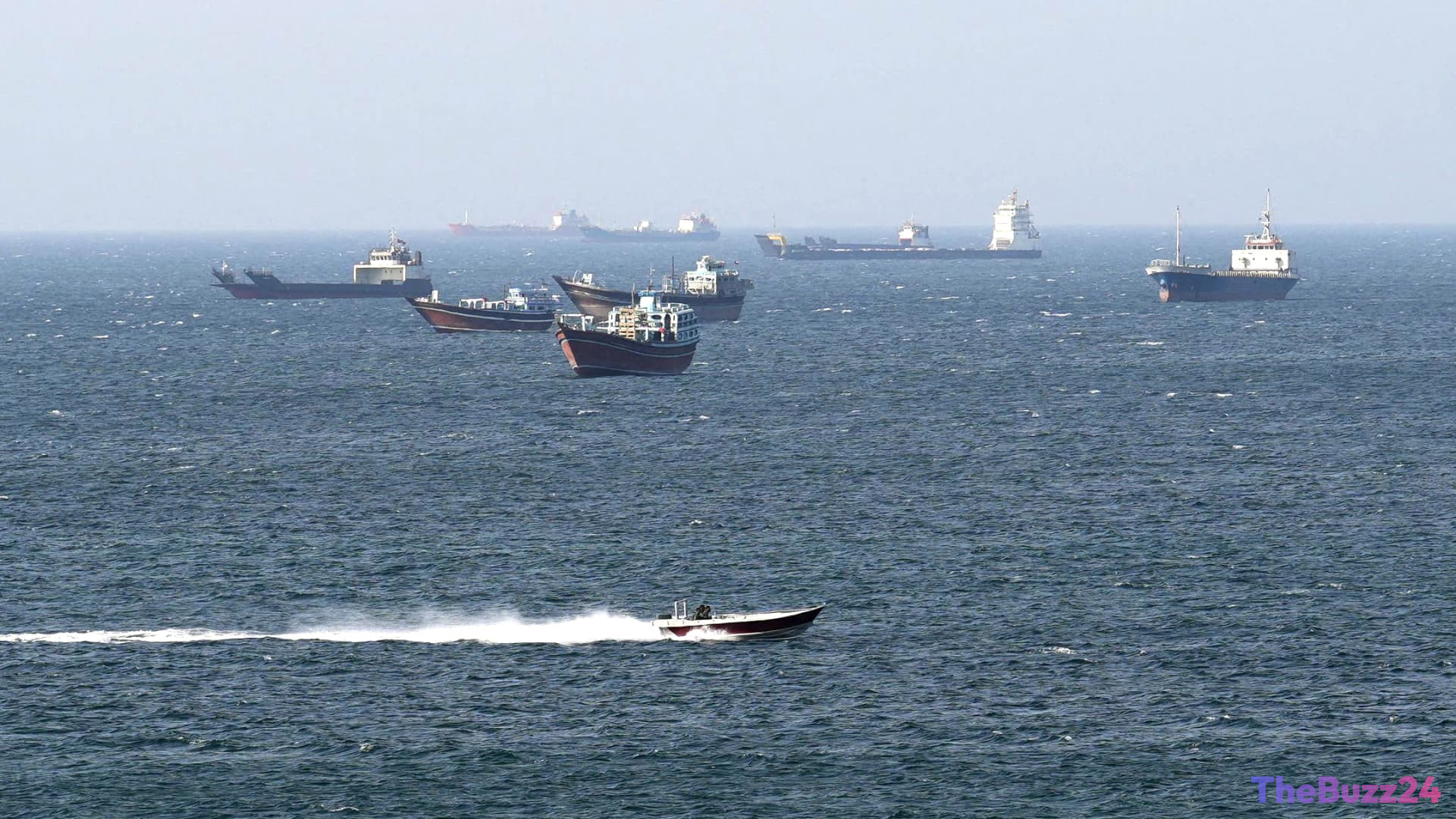
Adding to the market anxiety are ongoing tensions in the Strait of Hormuz, a critical maritime corridor for global oil transit. Recent reports involving the boarding of cargo vessels by Iran’s Revolutionary Guard have heightened fears of potential supply chain disruptions. While there have been informal suggestions from Tehran regarding the reopening of the Strait in exchange for a pause in nuclear-related rhetoric, the geopolitical situation remains highly unstable.
By Monday morning, the market reflected these mounting pressures, with Brent crude futures rising 1.3% to $106.73 per barrel, while U.S. West Texas Intermediate (WTI) saw a 1% gain to $95.34. Industry analysts suggest that the failure to secure a diplomatic breakthrough is forcing a rapid repricing of energy assets as traders brace for a period of constrained supply.
Key Takeaways
- Brent crude prices surged past $108 per barrel following the breakdown of U.S.-Iran diplomatic talks.
- Geopolitical instability in the Strait of Hormuz is fueling market fears regarding potential oil supply disruptions.
- U.S. West Texas Intermediate (WTI) rose to $95.34 as traders adjust to the lack of progress in international negotiations.
Editor’s Analysis & Impact
The recent spike in oil prices underscores the extreme sensitivity of global energy markets to geopolitical friction in the Middle East. The Strait of Hormuz remains a critical ‘chokepoint’ for global trade, and any perceived threat to maritime security inevitably triggers a risk premium in crude futures. From an industry perspective, the collapse of diplomatic channels removes a key variable that traders were hoping would lead to increased supply or reduced regional tension. Moving forward, the market is likely to remain in a state of heightened alert, with prices remaining volatile until a clear diplomatic path emerges or supply-side assurances are solidified. Investors should expect continued fluctuations as the energy sector remains highly reactive to any developments involving Iranian maritime activity and U.S. foreign policy shifts.
Frequently Asked Questions
Q: Why did oil prices rise following the diplomatic breakdown?
A: Oil prices rose because the failure of diplomatic talks increases the likelihood of continued regional instability and potential supply disruptions in the Middle East, which is a major source of global oil.
Q: What is the significance of the Strait of Hormuz?
A: The Strait of Hormuz is one of the world's most vital maritime chokepoints for oil transport; a significant portion of the world's petroleum passes through this narrow waterway, making it critical to global energy security.
AI Disclosure: This article is based on verified data and official reports. Our Team and AI have cross-referenced every financial detail with primary sources to ensure total accuracy.
More from this Category