Robotic Rescue: Ukrainian Forces Deploy Unmanned Ground Vehicle to Save Elderly Civilian
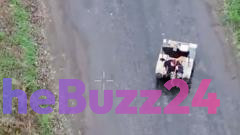
In a remarkable display of humanitarian technology on the frontlines of the conflict in Ukraine, military forces successfully utilized an unmanned ground vehicle (UGV) to evacuate an elderly woman from a devastated village. The operation was initiated after surveillance drones spotted Antonina Horuzha struggling to navigate the ruins of her neighborhood, where she had become stranded amidst the destruction.
Recognizing the extreme danger posed by the environment, the Ukrainian 3rd Army Corps deployed a specialized robotic platform to reach her. Video footage of the encounter shows the machine approaching the woman and displaying an automated prompt instructing her to sit down. Horuzha, who later admitted she had reached her physical limit and feared she would not survive the journey to safety on her own, was successfully assisted by the robot and transported to a secure location.
This mission underscores the evolving role of ground-based robotics in modern warfare. While such technology is frequently associated with reconnaissance and combat, this incident demonstrates its growing utility in humanitarian operations. By utilizing these machines, military units can conduct life-saving rescues and deliver essential supplies in high-risk zones while minimizing the exposure of human personnel to active danger.
Key Takeaways
- Ukrainian forces successfully used an unmanned ground vehicle to rescue an elderly woman from a frontline village.
- The robotic unit utilized automated messaging to guide the civilian to safety after she reached her physical limits.
- The incident highlights the shift toward using autonomous ground systems for humanitarian aid and life-saving missions in conflict zones.
Editor’s Analysis & Impact
The deployment of unmanned ground vehicles for humanitarian rescue marks a significant shift in how military technology is integrated into modern conflict zones. Traditionally, robotics in warfare have been focused on lethality or surveillance; however, this event highlights a growing trend toward ‘dual-use’ technology that prioritizes civilian protection. By removing human soldiers from the immediate vicinity of a rescue, military units can mitigate risks while maintaining operational effectiveness. As these platforms become more sophisticated and autonomous, we can expect to see them play a larger role in disaster relief and logistics within active combat environments. This evolution not only changes the tactical landscape but also sets a new standard for the ethical application of robotics in war, potentially reducing civilian casualties in areas that are otherwise inaccessible to human rescue teams.
Frequently Asked Questions
Q: How did the robot communicate with the civilian?
A: The robotic unit used an automated display screen to show clear instructions, specifically telling the woman to 'sit down' so it could assist her.
Q: Why was a robot used instead of human soldiers?
A: The area was considered high-risk, and using a robotic platform allowed the military to conduct the rescue without exposing human personnel to potential danger.
AI Disclosure: This article is based on verified data and official reports. Our Team and AI have cross-referenced every financial detail with primary sources to ensure total accuracy.
More from this Category