Groundbreaking Pill Offers New Hope in Pancreatic Cancer Battle
A new daily pill, daraxonrasib, is being hailed as a potential game-changer in the treatment of pancreatic cancer, one of the most aggressive and challenging forms of the disease. Early medical trials have shown remarkable results, with the drug, when combined with chemotherapy, appearing to shrink and even eliminate tumors in a significant number of patients. This development marks what many experts are calling the most substantial breakthrough in decades for pancreatic cancer therapy.
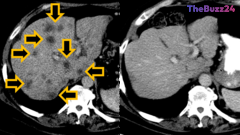
In the phase I/II trial, which included 61 participants recently diagnosed with advanced pancreatic cancer that had spread, the outcomes were highly encouraging. Tumors ceased growing in an impressive 90% of patients. More profoundly, over 60% of participants experienced a reduction in tumor size or their complete disappearance. For approximately 8% of patients, or one in twelve, CT scans revealed that their tumors had become undetectable following treatment with daraxonrasib alongside gemcitabine and nab-paclitaxel chemotherapy. While these results are incredibly exciting, medical professionals caution that the long-term duration of disease control remains to be fully understood, and the treatment should not yet be considered a definitive cure.
Daraxonrasib functions as a targeted inhibitor, specifically designed to lock onto and deactivate certain RAS mutations that are prevalent in most pancreatic cancers and drive tumor growth. Dr. Wungki Park from Memorial Sloan Kettering Cancer Center, involved in the trial, expressed strong optimism, noting not only higher tumor response rates but also deeper responses and a near doubling in the duration of disease control, which could translate into extended survival. The drug’s mechanism also suggests broader applicability, as similar RAS mutations are found in dozens of other cancers, including lung and ovarian, potentially extending its benefits to a wider patient population.
Pancreatic cancer is notorious for its low survival rates, with most patients diagnosed with advanced disease surviving only months. This new treatment offers a glimmer of hope for extending lives, even if it cannot permanently halt the cancer for everyone. Professor Elena Garralda, chair of the EORTC–NCI–AACR Symposium 2026 where these findings are being presented, highlighted that the combined treatment could significantly improve patients’ overall survival and the time before tumors recur. Longer and more extensive studies are now crucial to ascertain if these cancers can be put into sustained remission and for how long, solidifying daraxonrasib’s role in future oncology protocols.
Key Takeaways
- Daraxonrasib, combined with chemotherapy, showed significant efficacy in early pancreatic cancer trials, with some patients achieving undetectable tumors.
- The drug targets RAS mutations, common in pancreatic and other cancers, offering potential for broader application.
- While promising, experts emphasize the need for longer-term studies to determine sustained remission and overall survival benefits.
Editor’s Analysis & Impact
This development represents a significant advancement in oncology, particularly for pancreatic cancer, a notoriously difficult-to-treat disease with historically poor prognoses. If later-phase trials confirm these early results, daraxonrasib could become a cornerstone treatment, drastically improving patient outcomes and potentially extending lives. The drug’s targeted mechanism against RAS mutations also opens new avenues for precision medicine, suggesting its utility could extend to other cancers sharing similar genetic drivers. This breakthrough underscores the immense value of targeted therapies and could attract substantial investment in further RAS-inhibitor research, shifting treatment paradigms towards more specific and potentially less toxic interventions. It offers renewed hope for patients and researchers in the ongoing fight against aggressive cancers.
Frequently Asked Questions
Q: What is daraxonrasib and how does it work?
A: Daraxonrasib is a new daily pill that acts as a targeted inhibitor. It works by specifically locking onto and deactivating certain RAS mutations, which are common in many pancreatic cancers and drive tumor growth. When combined with chemotherapy, it helps to shrink or eliminate tumors.
Q: How effective has daraxonrasib been in early trials for pancreatic cancer?
A: In phase I/II trials, daraxonrasib combined with chemotherapy showed remarkable results: tumors stopped growing in 90% of patients, over 60% saw their tumors shrink or disappear, and approximately 8% (one in twelve) had their tumors become undetectable on CT scans.
Q: Is daraxonrasib considered a cure for pancreatic cancer?
A: While the early results are incredibly promising and represent a significant breakthrough, medical professionals currently caution that daraxonrasib should not yet be considered a definitive cure. Longer and more extensive studies are needed to fully understand the long-term duration of disease control and whether it can lead to sustained remission.
AI Disclosure: This article is based on verified data and official reports. Our Team and AI have cross-referenced every financial detail with primary sources to ensure total accuracy.
More from this Category