Aviation Industry Maintains High Fares as Travel Demand Outpaces Fuel Costs
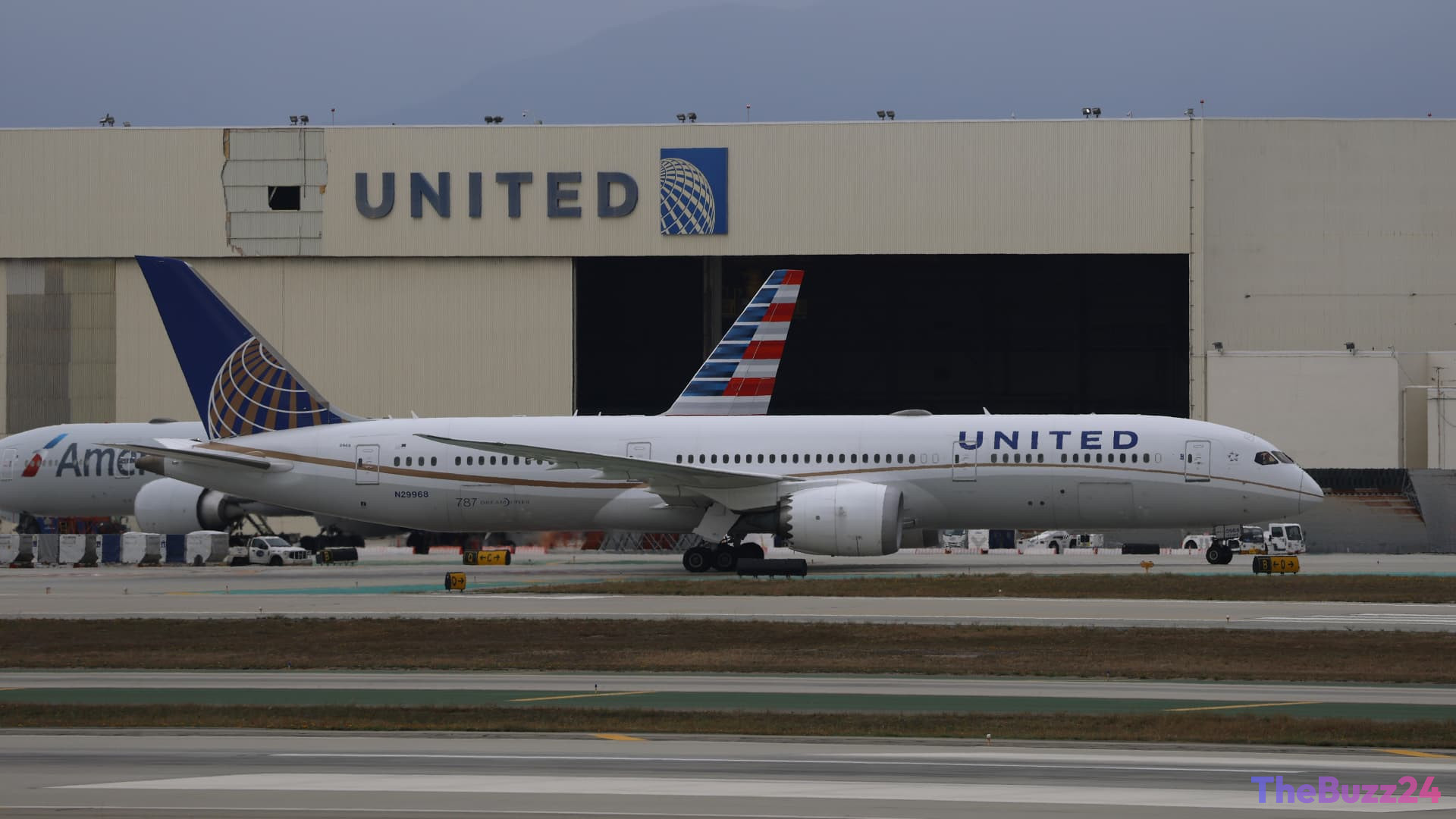
Major U.S. airlines are successfully navigating a volatile economic climate characterized by surging jet fuel prices, largely fueled by ongoing geopolitical instability in the Middle East. Despite billions of dollars in added operational expenses, the industry has managed to maintain profitability by passing these costs directly to passengers. Current booking data suggests that consumer appetite for air travel remains remarkably resilient, with strong demand expected to persist throughout the upcoming summer season.
Industry giants, including American Airlines, Delta Air Lines, and United Airlines, have reported optimistic financial outlooks, projecting robust revenue growth for the second quarter. To protect their profit margins, these carriers are increasingly emphasizing premium cabin offerings, such as first-class and premium economy seating. While standard economy fares have climbed by double digits compared to the previous year, the anticipated cooling of travel demand has yet to materialize.
However, the current market environment has created a widening gap between legacy carriers and budget-focused airlines. While larger companies utilize capacity adjustments and premium yields to absorb fuel price shocks, low-cost operators like Frontier Airlines and Avelo Airlines are struggling to maintain competitive pricing. Some budget carriers are now exploring government financial assistance to navigate the crisis, underscoring the uneven impact of rising energy costs across the aviation sector.
Looking forward, experts anticipate that elevated ticket prices will likely persist for the near term. Even if global oil markets stabilize, the inherent lag in refining and distribution costs suggests that consumers should not expect immediate relief at the checkout. As long as the current level of consumer demand holds steady, airlines appear well-positioned to sustain higher pricing structures, signaling a period of continued earnings growth as the sector moves further away from pandemic-era instability.
Key Takeaways
- Major airlines are successfully passing rising fuel costs onto consumers without seeing a significant drop in travel demand.
- Premium seating options are becoming a critical strategy for legacy carriers to bolster profit margins amid economic volatility.
- A clear financial divide is emerging between large legacy airlines and budget carriers, with the latter facing significant pressure to seek government support.
Editor’s Analysis & Impact
The aviation industry is currently demonstrating a high degree of pricing power, a phenomenon that suggests travel has shifted from a discretionary luxury to a non-negotiable necessity for many consumers. By prioritizing premium cabin revenue, legacy carriers are effectively insulating themselves from the volatility of commodity markets. However, the struggle faced by budget airlines indicates that the industry’s recovery is not uniform. If fuel prices remain high, we may see further consolidation or a reduction in routes offered by smaller, low-cost carriers, which could ultimately lead to less competition and higher average fares across the board. The long-term outlook remains positive for the industry’s bottom line, but the sustainability of these high prices depends entirely on the continued strength of the consumer economy and the absence of a broader recessionary trigger.
Frequently Asked Questions
Q: Why are airline ticket prices currently so high?
A: Ticket prices are primarily being driven up by surging jet fuel costs resulting from geopolitical instability, which airlines are passing on to consumers to maintain their profit margins.
Q: Are budget airlines struggling more than major carriers?
A: Yes, budget airlines are facing steeper challenges because they lack the same capacity for premium-tier revenue and operational flexibility that larger, legacy carriers possess to offset rising fuel expenses.
AI Disclosure: This article is based on verified data and official reports. Our Team and AI have cross-referenced every financial detail with primary sources to ensure total accuracy.
More from this Category