FCC Orders Accelerated License Renewals for Disney-Owned Stations Amid DEI Investigation
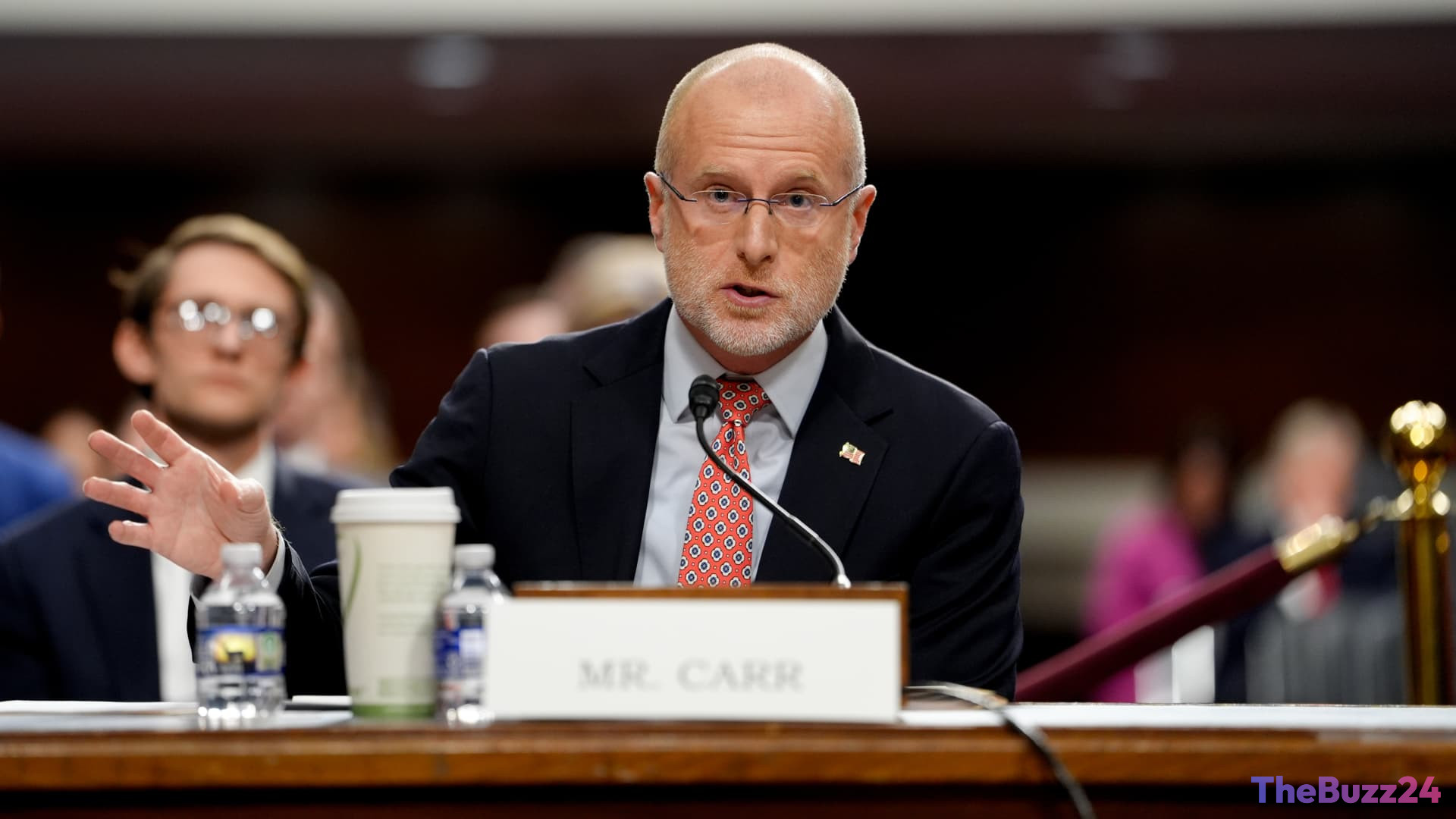
The Federal Communications Commission (FCC) has issued a formal directive requiring Disney to submit early license renewal applications for its eight owned-and-operated ABC broadcast stations. Under the mandate issued by FCC Chairman Brendan Carr, the company must file these applications by May 28, significantly accelerating the standard regulatory timeline. This move is part of a broader federal investigation into the company’s internal diversity, equity, and inclusion (DEI) policies, which has been under scrutiny since early 2025.
The stations affected by this order are distributed across several states, including California, Illinois, New York, Texas, North Carolina, and Pennsylvania. In response to the directive, Disney confirmed it has received the order and maintains that its operations have remained in full compliance with the Communications Act and all applicable federal regulations. The company stated it remains committed to providing public-interest programming and is prepared to defend its standing as a broadcast licensee through the appropriate legal processes.
This regulatory pressure arrives during a period of intense political scrutiny regarding ABC’s editorial output. The network has recently faced public criticism from President Donald Trump, particularly concerning the content of its late-night programming. The convergence of these political tensions and the FCC’s investigation has ignited a national debate over the scope of federal oversight. Legal experts and some industry observers have expressed concern that the mandate could set a dangerous precedent, potentially infringing upon First Amendment protections and the editorial independence of broadcast journalism.
The FCC’s focus on corporate DEI practices extends beyond Disney, with similar inquiries currently directed at other media giants such as Comcast and Paramount. As the May deadline approaches, the industry is closely watching the situation, which serves as a critical test case for the extent of government authority in regulating media organizations and the future of broadcast licensing standards in the United States.
Key Takeaways
- The FCC has ordered Disney to file for early license renewals for its eight ABC-owned stations by May 28.
- The accelerated timeline is linked to an ongoing federal investigation into Disney's corporate DEI policies.
- The move has sparked concerns among legal experts regarding potential government overreach and threats to First Amendment media independence.
Editor’s Analysis & Impact
The FCC’s decision to link broadcast license renewals to an investigation of corporate DEI policies represents a significant shift in regulatory strategy. By leveraging the licensing process—a critical asset for any major broadcaster—the agency is exerting unprecedented pressure on media conglomerates. This move signals a broader trend where federal oversight is increasingly used to influence corporate governance and internal social policies. The industry impact is profound; if the FCC successfully uses license renewals as a tool for policy enforcement, it could force media companies to fundamentally alter their hiring and programming strategies to avoid regulatory retaliation. The long-term implications suggest a more politicized media landscape, where the threat of losing broadcast rights could chill editorial independence and force major networks to navigate a precarious balance between federal compliance and journalistic integrity.
Frequently Asked Questions
Q: Which stations are affected by the FCC order?
A: The order applies to the eight television stations owned and operated by Disney/ABC, located in California, Illinois, New York, Texas, North Carolina, and Pennsylvania.
Q: Is Disney the only company being investigated for its DEI policies?
A: No, the FCC has initiated similar inquiries into other major media entities, including Comcast and Paramount, as part of a wider effort to examine corporate DEI practices.
AI Disclosure: This article is based on verified data and official reports. Our Team and AI have cross-referenced every financial detail with primary sources to ensure total accuracy.
More from this Category