Federal Reserve Poised to Maintain Interest Rates Amid Leadership Transition
The Federal Open Market Committee is widely expected to maintain its current benchmark short-term interest rate during its upcoming meeting this Wednesday. Financial markets have largely priced in this decision, viewing it as a predictable outcome given the central bank’s ongoing strategy to balance persistent inflationary pressures with a stable, albeit cooling, labor market.
Inflation remains a primary concern for policymakers, as headline figures continue to exceed the Federal Reserve’s 2% target. Core inflation, which excludes volatile food and energy sectors, remains anchored near 3%. The situation is further complicated by rising energy costs, with crude oil prices approaching $100 per barrel and national gasoline averages climbing past $4 per gallon. While officials have historically categorized such spikes as transitory, geopolitical instability in the Middle East has introduced new risks regarding long-term price stability.
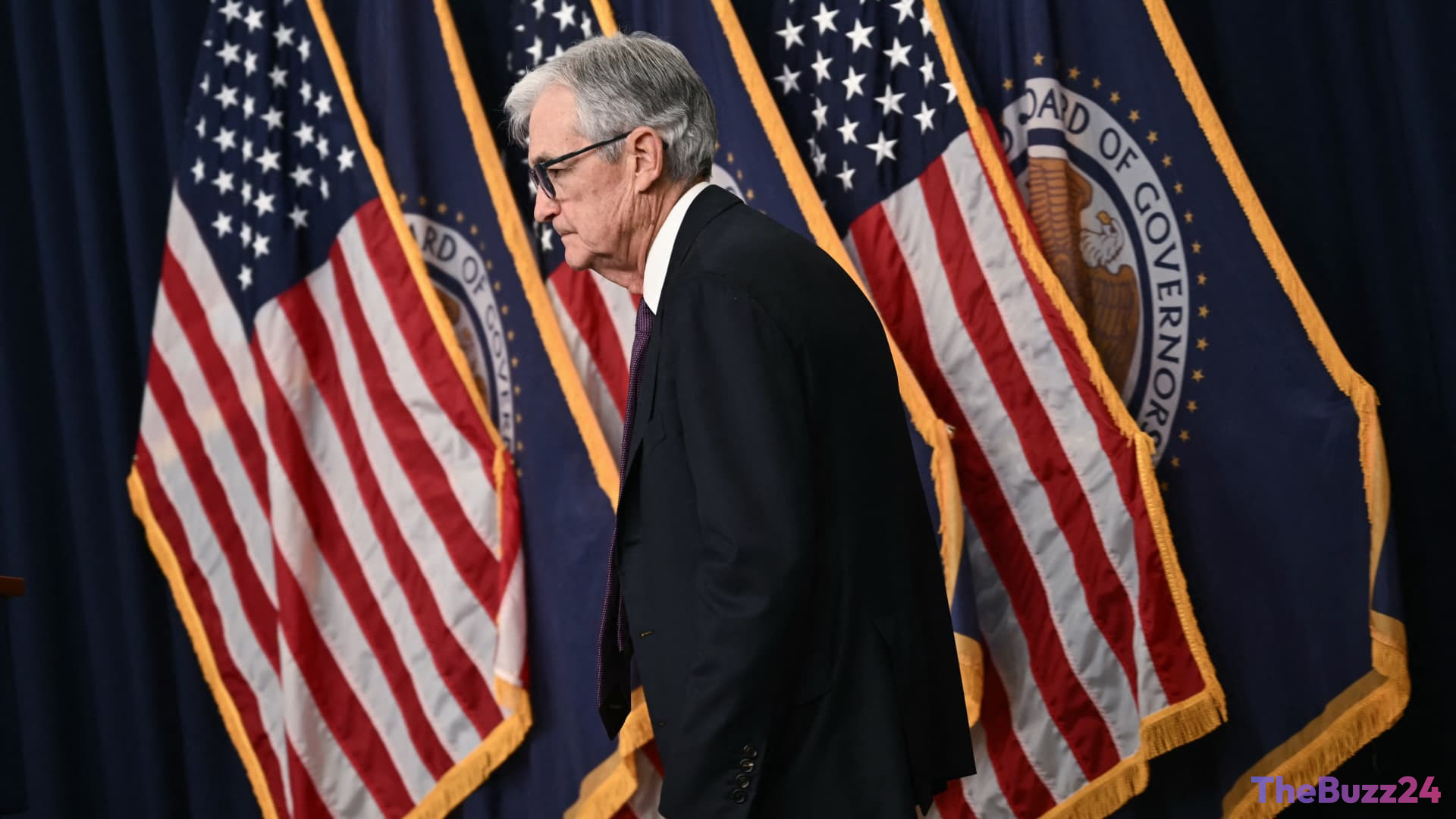
Beyond monetary policy, the meeting carries significant weight due to the impending change in leadership. Jerome Powell, who has steered the central bank through a period of aggressive rate hikes and complex economic shifts, is nearing the end of his tenure. With Kevin Warsh designated as his successor to take the helm in May, market participants are beginning to pivot their focus toward the incoming chair’s potential policy direction, potentially overshadowing the traditional post-meeting press conference.
Looking ahead, the path for interest rates remains data-dependent. With inflation proving to be sticky and the labor market showing resilience, immediate rate cuts appear off the table. The committee’s future decisions will likely be dictated by incoming economic indicators, energy market volatility, and the strategic transition to new leadership at the Federal Reserve.
Key Takeaways
- The Federal Reserve is expected to keep interest rates unchanged at the upcoming meeting due to persistent inflation.
- Rising energy costs and geopolitical tensions are complicating the central bank's efforts to reach its 2% inflation target.
- Jerome Powell is approaching the end of his term, with Kevin Warsh set to take over as chair in May, shifting market focus toward future policy changes.
Editor’s Analysis & Impact
The Federal Reserve is currently navigating a delicate ‘higher-for-longer’ interest rate environment, complicated by both macroeconomic headwinds and a significant leadership transition. The persistence of core inflation near 3% suggests that the central bank cannot afford a dovish pivot, despite market desires for rate relief. The appointment of Kevin Warsh as the incoming chair introduces a layer of uncertainty; markets will be closely scrutinizing his early signals for any deviation from the current consensus. The broader implication is a period of heightened volatility as investors attempt to price in not only the economic data but also the potential for a shift in institutional philosophy. Until inflation shows a definitive downward trend toward the 2% target, the Fed is likely to maintain a restrictive stance, prioritizing price stability over immediate growth stimulus.
Frequently Asked Questions
Q: Why is the Federal Reserve expected to hold interest rates steady?
A: The Fed is holding rates steady because inflation remains above its 2% target and the labor market remains resilient, necessitating a cautious approach to avoid premature easing.
Q: Who is expected to succeed Jerome Powell as Fed Chair?
A: Kevin Warsh is the designated successor expected to take over the chairmanship when Jerome Powell’s term concludes in May.
AI Disclosure: This article is based on verified data and official reports. Our Team and AI have cross-referenced every financial detail with primary sources to ensure total accuracy.
More from this Category