Damascus Trial of Former Intelligence Chief Sparks Debate Over Justice and Accountability
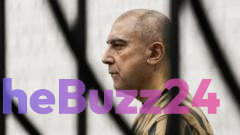
A landmark legal proceeding has commenced in Damascus, where Atef Najib, a former high-ranking official in the Syrian intelligence apparatus, is facing trial for his alleged role in the violent suppression of the 2011 uprising. Najib, who previously led the Political Security intelligence agency in Deraa, stands accused of orchestrating brutal crackdowns against protesters during the early stages of the conflict. His appearance in court has served as a poignant, symbolic milestone for families of victims who have spent over a decade advocating for accountability regarding the atrocities of the civil war.
The courtroom atmosphere has been charged with emotion, as many observers and survivors have invoked the slogans that defined the initial 2011 protests. For those directly impacted by the violence, the trial represents a rare opportunity to confront the architects of the past. Legal professionals involved in the case have characterized the proceedings as a significant, if unexpected, step toward achieving a form of justice that many previously deemed unattainable within the country’s own judicial system.
Despite the emotional weight of the trial, the proceedings have drawn sharp criticism from human rights advocates and legal scholars. A primary concern is the absence of comprehensive national legislation specifically designed to prosecute war crimes and crimes against humanity, which critics argue undermines the trial’s legal legitimacy. There is a prevailing fear that the trial may function as a performative gesture intended to pacify public anger rather than a genuine effort to dismantle the entrenched culture of impunity, particularly while other figures associated with past violence continue to hold positions of power.
As the government proceeds with cases involving other high-profile suspects, including those implicated in the 2013 Tadamon massacre, the effectiveness of the current transitional justice system remains under intense scrutiny. While official bodies claim to be developing a more robust legal framework, the path toward meaningful accountability remains obstructed by significant political and structural barriers. For the families of the victims, the trial of Najib stands as a fragile, yet essential, initial step in a long and uncertain process of national reckoning.
Key Takeaways
- Former intelligence official Atef Najib is being tried for his role in the violent 2011 crackdown on protesters in Deraa.
- The trial is viewed as a symbolic victory for victims' families, though it faces skepticism regarding its legal foundation.
- Critics argue the trial may be a superficial effort to address past violence rather than a systemic move toward true accountability.
Editor’s Analysis & Impact
The trial of Atef Najib serves as a complex case study in the intersection of transitional justice and political maneuvering. From a geopolitical standpoint, the move appears to be an attempt by the state to manage domestic instability and project an image of reform to the international community. However, the lack of a clear, internationally recognized legal framework for war crimes suggests that these proceedings are unlikely to satisfy global human rights monitors or foster genuine national reconciliation. The broader implication is a fragmented judicial landscape where justice is applied selectively. International observers should view these developments with caution, as they underscore the ongoing institutional instability and the significant hurdles remaining for any sustainable post-conflict recovery in the region.
Frequently Asked Questions
Q: Who is Atef Najib?
A: Atef Najib is a former high-ranking official who served as the head of the Political Security intelligence agency in Deraa, Syria, during the 2011 uprising.
Q: Why are legal experts skeptical of this trial?
A: Experts are skeptical because the current judicial framework lacks specific national legislation to prosecute war crimes and crimes against humanity, leading to concerns that the trial may be more symbolic than substantive.
AI Disclosure: This article is based on verified data and official reports. Our Team and AI have cross-referenced every financial detail with primary sources to ensure total accuracy.
More from this Category