Powell’s Fed Tenure: A Tale of Two Markets for Investors
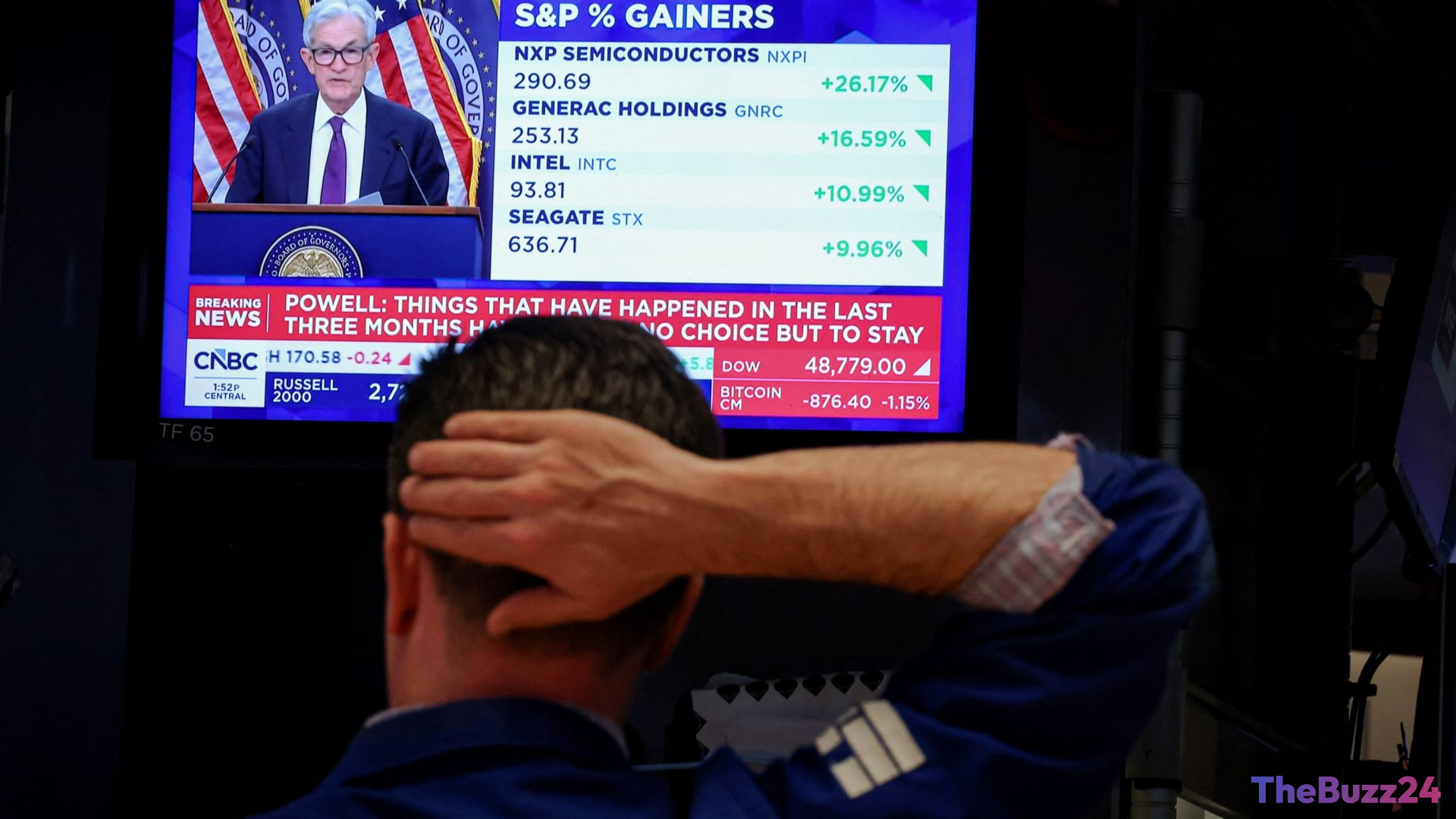
As Jerome Powell prepares to conclude his tenure as Federal Reserve Chair, a retrospective analysis reveals a starkly different performance for stock and bond investors under his leadership. Powell, who has chaired the central bank since 2018, is set to be succeeded by his nominated successor, Kevin Warsh, pending final Senate confirmation.
Powell’s time at the helm has coincided with the stock market reaching near-record highs and the economy demonstrating moderate growth, successfully navigating the post-COVID landscape. However, his tenure has not been without criticism, particularly concerning his management of inflation and interest rates in recent years, which significantly impacted the bond market. Despite these challenges, many investors have appreciated Powell’s commitment to transparency, with his regular press conferences helping market participants distinguish between market noise and substantive news, thereby clarifying the direction of monetary policy and interest rates.
Under Powell’s leadership, the Dow Jones Industrial Average saw an annual climb of nearly 9%, and the S&P 500 achieved an impressive annual rally of 14.7%. These figures represent a strong performance, exceeding historical averages for Fed chairs and placing Powell among the top performers in terms of stock market gains. This environment, characterized by accommodative monetary policies including quantitative easing and low-interest rates, generally favored equity investors seeking market appreciation.
Conversely, the bond market experienced a more challenging period. The Bloomberg US Aggregate Bond Index, a benchmark for U.S. investment-grade debt, yielded just under 2% annually during Powell’s chairmanship, a significant deviation from the historical average of 6.5%. This underperformance is largely attributed to the surge in inflation following massive fiscal stimulus measures aimed at mitigating the economic impact of COVID-19. The Federal Reserve’s subsequent aggressive interest rate hikes, pushing benchmark rates as high as 5.5%, created headwinds for bondholders. While inflation averaged 1.8% annually during Powell’s tenure, below the century-long average for Fed chiefs, the sharp increase and subsequent rate hikes created volatility and losses for fixed-income investors.
Key Takeaways
- Stock investors generally saw strong returns during Jerome Powell's tenure as Federal Reserve Chair, with major indices like the Dow Jones and S&P 500 performing well.
- Bond investors faced significant challenges and lower returns due to rising inflation and the Federal Reserve's subsequent interest rate hikes.
- Powell's tenure was marked by increased Fed transparency, which market participants found beneficial in navigating monetary policy decisions.
Editor’s Analysis & Impact
Jerome Powell’s tenure as Federal Reserve Chair presents a complex legacy for investors, characterized by a divergence in performance between equity and fixed-income markets. While stock markets thrived under generally accommodative policies and moderate economic growth, the bond market struggled with the inflationary pressures that necessitated significant interest rate hikes. This period highlights the delicate balancing act the Fed performs between stimulating the economy and controlling inflation. The future outlook for bond investors will likely depend on the Fed’s ability to manage inflation without stifling economic recovery, while stock market performance may continue to be influenced by interest rate expectations and corporate earnings.
Frequently Asked Questions
Q: How did the stock market perform under Jerome Powell's leadership?
A: The stock market generally performed very well under Jerome Powell's leadership. The Dow Jones Industrial Average climbed nearly 9% annually, and the S&P 500 rallied 14.7% annually, placing his tenure among the best for Fed chairs since 1970.
Q: Why did bond investors experience losses during Powell's tenure?
A: Bond investors faced losses primarily due to high inflation following the COVID-19 pandemic. This inflation prompted the Federal Reserve to significantly increase interest rates, which typically causes the value of existing bonds to fall.
Q: What was the impact of the Fed's transparency under Powell?
A: Increased transparency, including regular press conferences after Fed decisions, was seen as beneficial by many investors. It helped them better understand the Fed's monetary policy direction and interest rate path, reducing market uncertainty.
AI Disclosure: This article is based on verified data and official reports. Our Team and AI have cross-referenced every financial detail with primary sources to ensure total accuracy.
More from this Category