Powell to Remain on Fed Board, Setting Stage for Warsh’s ‘Regime Change’
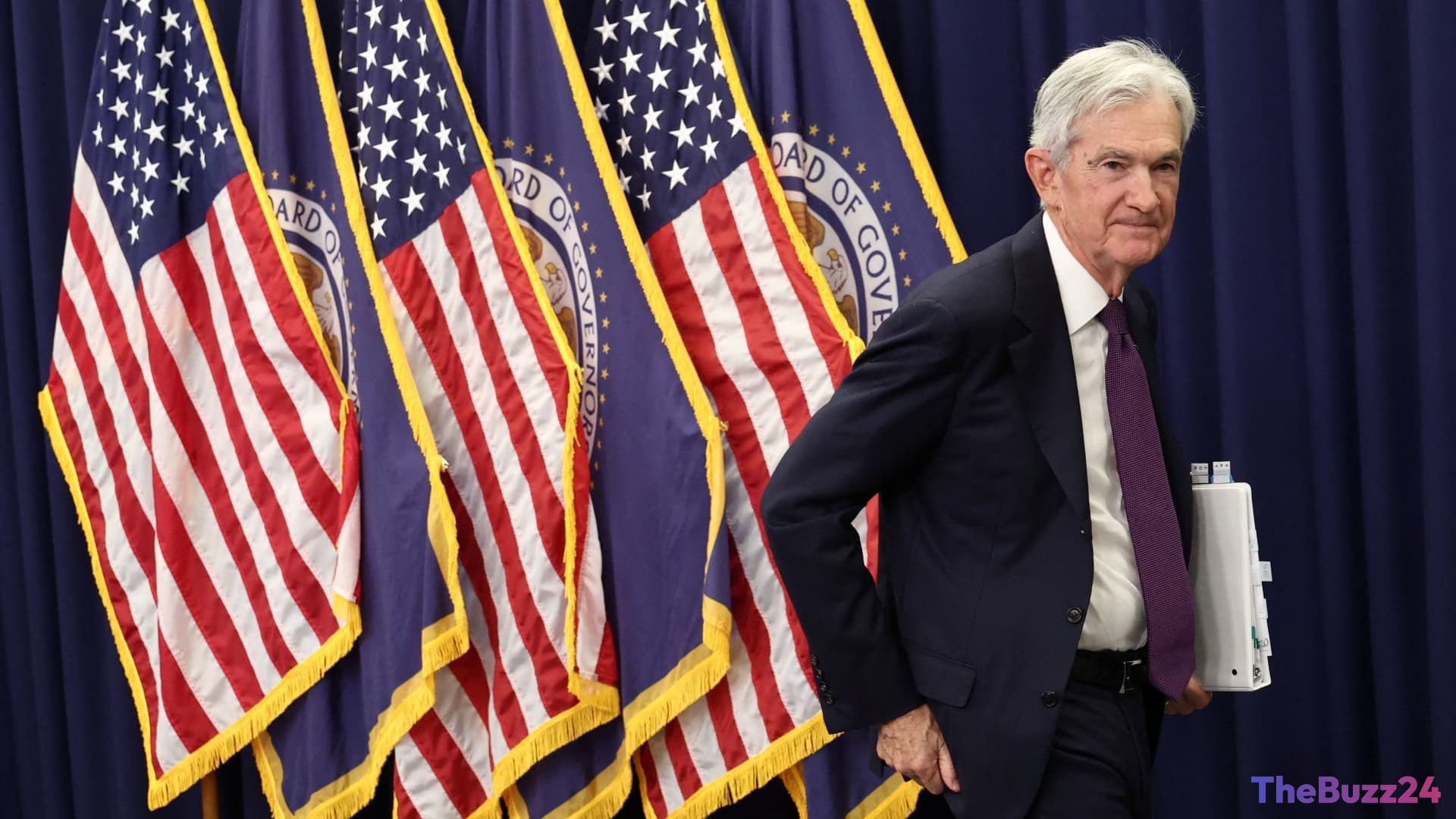
Jerome Powell, whose term as Federal Reserve Chair concludes in May, has announced his intention to remain on the Fed’s Board of Governors. Powell emphasized he would not act as a “shadow chair” but would instead focus on protecting the central bank’s independence from external legal challenges, particularly those stemming from the Trump administration.
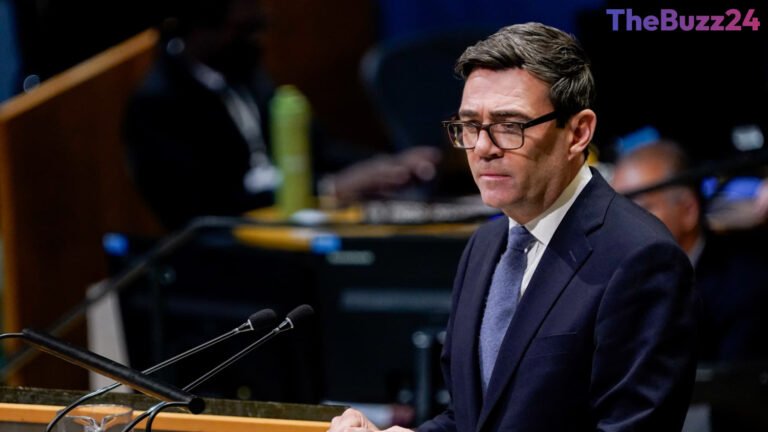
This decision appears to clear a path for Kevin Warsh, the anticipated next Fed Chair, to pursue his promised “regime change” within the institution. Warsh’s agenda includes potential reforms to the Fed’s communication strategies, possibly reducing the frequency of press conferences, and restructuring the 12 regional reserve banks, perhaps by introducing residency requirements for their presidents. Crucially, Warsh has also expressed opposition to the Fed’s current practice of “forward guidance” and has indicated a willingness to quickly cut interest rates.
Powell’s continued presence is largely driven by his desire to see a definitive resolution to a criminal investigation initiated and later dropped by U.S. Attorney Jeanine Pirro, which he views as a threat to the Fed’s autonomy. He believes his role will be to manage these political and legal battles, thereby allowing Warsh to concentrate on monetary policy. While Powell supports some changes to the regional banks, he draws a firm line at the wholesale firing of regional Fed presidents, a move he believes would fundamentally undermine the Fed’s ability to conduct independent monetary policy.
Despite potential policy divergences, particularly regarding interest rates, Powell has publicly expressed confidence in Warsh’s ability to forge consensus among the Fed’s voting members. Recent dissents within the Fed regarding an “easing bias” in policy statements suggest that building such consensus on interest rate direction may be one of Warsh’s primary challenges.
Key Takeaways
- Jerome Powell will remain on the Federal Reserve Board after his chairmanship, focusing on defending the Fed's independence from external legal challenges, particularly from the Trump administration.
- His continued presence is intended to facilitate a smoother transition for incoming Chair Kevin Warsh, who plans significant policy changes, including reforms to communication, forward guidance, and regional reserve banks.
- Warsh's 'policy regime change' could lead to clashes over interest rate direction and communication strategies, though Powell expressed confidence in Warsh's ability to build consensus.
Editor’s Analysis & Impact
This news signals a potentially transformative period for the Federal Reserve. Powell’s decision to stay on the board, specifically to address external legal pressures, effectively creates a buffer for Kevin Warsh to implement his policy agenda without immediate distraction. Warsh’s proposed ‘regime change,’ particularly his skepticism towards forward guidance and potential shifts in interest rate policy, could introduce significant volatility and uncertainty into financial markets. Investors will closely watch for signs of internal consensus or dissent, especially concerning monetary easing. The broader implication is a potential redefinition of the Fed’s operational transparency and its relationship with political administrations, emphasizing the ongoing tension between central bank independence and political influence.
Frequently Asked Questions
Q: Why is Jerome Powell staying on the Federal Reserve Board after his term as Chair?
A: Jerome Powell stated he will remain on the board to help safeguard the Federal Reserve's independence, particularly from legal challenges originating from the Trump administration. He aims to address these external threats without acting as a 'shadow chair'.
Q: What are Kevin Warsh's main plans for the Federal Reserve?
A: Kevin Warsh, the likely incoming Chair, plans a 'policy regime change' at the Fed. This includes potentially altering communication practices (like press conferences), reforming the 12 regional reserve banks, and changing the approach to monetary policy, such as opposing forward guidance and potentially cutting interest rates quickly.
Q: How might Powell's continued presence impact Warsh's agenda?
A: Powell's decision to stay is seen as a way to shield Warsh from political and legal battles, allowing Warsh to focus on implementing his policy changes. While Powell won't be a 'shadow chair,' his experience and presence could offer a degree of stability during a period of significant transition and potential policy shifts.
AI Disclosure: This article is based on verified data and official reports. Our Team and AI have cross-referenced every financial detail with primary sources to ensure total accuracy.
More from this Category