Economic Growth Slows as Inflation Reaches 3.2% Amid Energy Price Surge
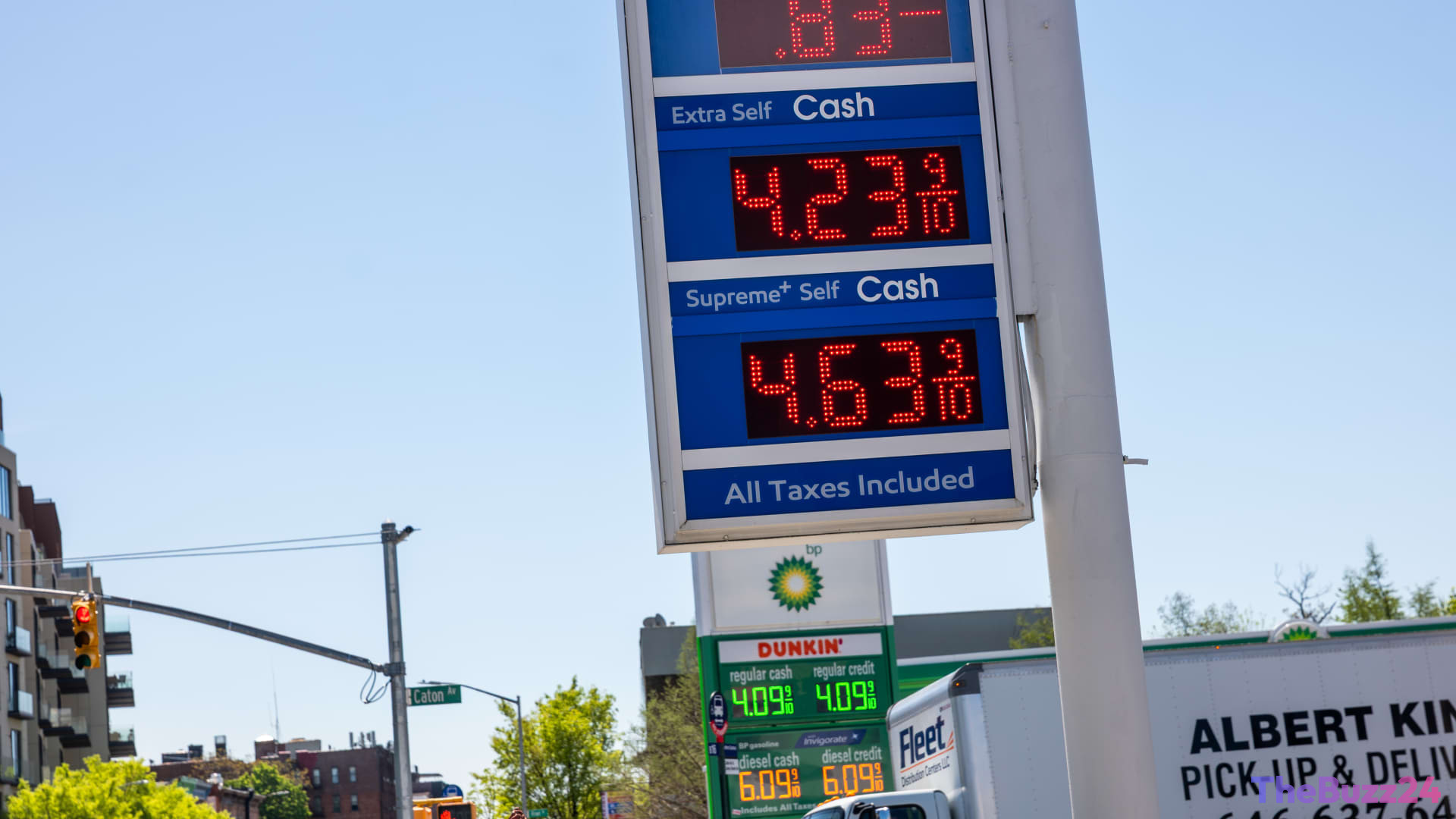
The United States economy is navigating a complex period of stagnation and rising costs, as recent data reveals core inflation reached 3.2% in March. This figure, which excludes volatile food and energy sectors, aligns with market expectations but marks the highest level of core inflation since November 2023. The broader inflation picture, including energy and food, shows an annual rate of 3.5%, driven largely by an 11.6% spike in energy costs linked to geopolitical instability in the Middle East.
Economic output in the first quarter failed to meet projections, with gross domestic product growing at a 2% annualized pace. While this represents an improvement over the 0.5% growth seen in the final quarter of 2025, it fell short of the 2.2% growth anticipated by analysts. Despite significant capital investment in artificial intelligence, consumer spending remains constrained, with real outlays for goods declining by 0.1% as households grapple with the dual pressures of high fuel prices and persistent inflation.
Conversely, the labor market remains remarkably resilient. Initial jobless claims dropped to 189,000 for the week ending April 25, the lowest level in decades. This ‘low-hire, low-fire’ environment continues to define the current labor landscape, even as the Federal Reserve faces internal friction regarding monetary policy. The central bank recently opted to hold interest rates steady, though the decision was marked by four dissenting votes from officials concerned about the persistence of inflation and the future trajectory of rate adjustments.
Key Takeaways
- Core inflation hit 3.2% in March, driven by an 11.6% surge in energy costs.
- First-quarter GDP growth reached 2%, missing the 2.2% forecast despite AI-related investment.
- Jobless claims fell to a multi-decade low of 189,000, highlighting a tight but stagnant labor market.
Editor’s Analysis & Impact
The current economic data paints a picture of a ‘split-screen’ economy where high-growth sectors like artificial intelligence are masking underlying weaknesses in consumer purchasing power. The Federal Reserve is in a precarious position; with inflation remaining above target for five years and internal dissent growing, the path toward interest rate normalization is becoming increasingly murky. The reliance on government spending to bolster GDP growth suggests that private sector demand is cooling under the weight of sustained high prices. Moving forward, the primary risk is ‘stagflationary’ pressure, where growth continues to underperform while inflation remains sticky. Investors should expect continued volatility as the central bank balances the need to curb inflation against the risk of triggering a more significant economic contraction in the latter half of the year.
Frequently Asked Questions
Q: Why is the core inflation rate significant?
A: Core inflation is a key metric for the Federal Reserve because it excludes volatile food and energy prices, providing a clearer view of long-term inflation trends and underlying price pressures in the economy.
Q: What is driving the current rise in inflation?
A: The primary driver of the recent inflation spike is a significant increase in energy costs, which rose 11.6% due to geopolitical tensions, specifically the conflict in Iran, affecting global oil supply.
AI Disclosure: This article is based on verified data and official reports. Our Team and AI have cross-referenced every financial detail with primary sources to ensure total accuracy.
More from this Category