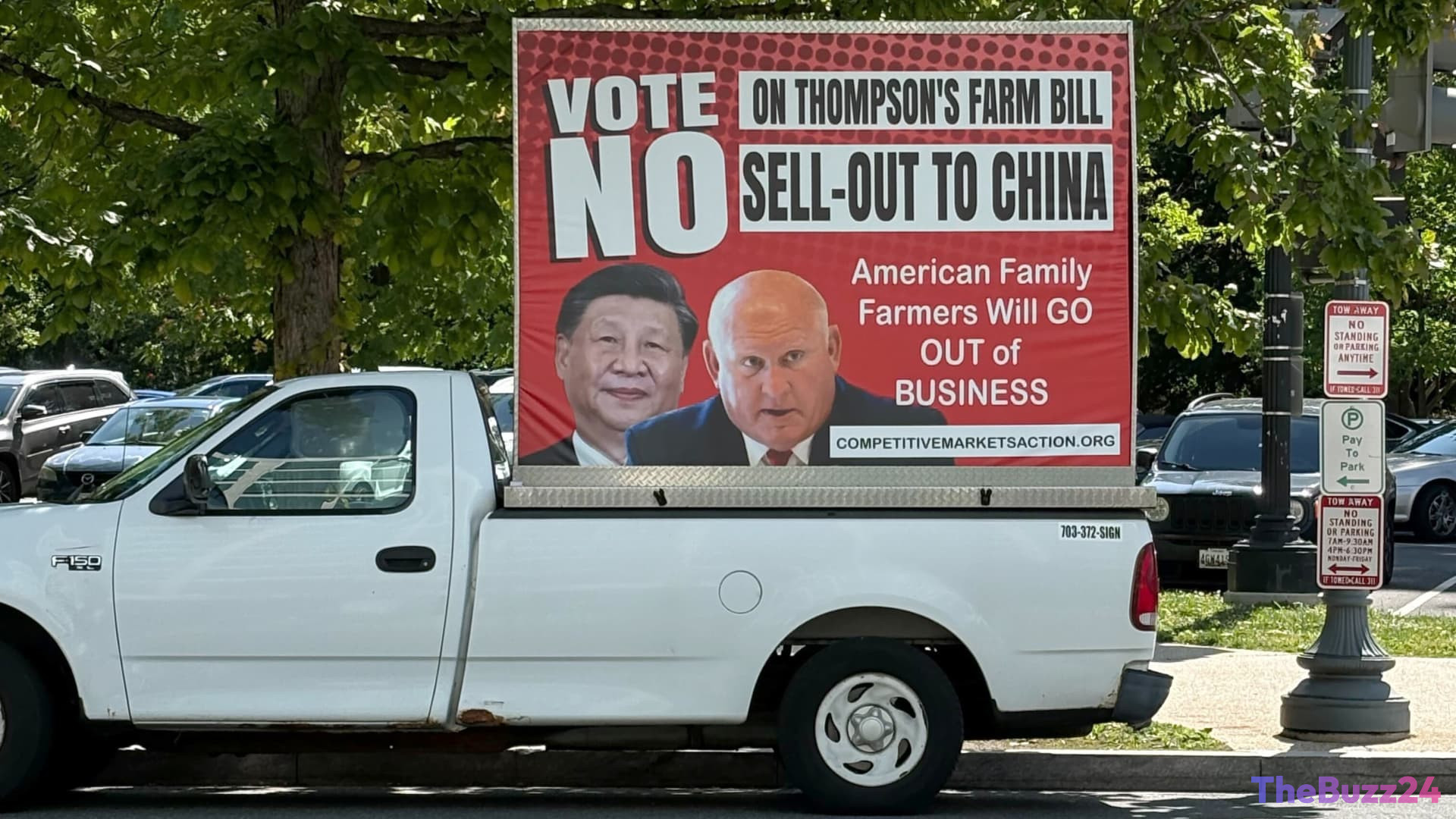
House Rejects Pesticide Liability Shield in Landmark Farm Bill Vote
The U.S. House of Representatives has taken a significant step in agricultural policy by voting to strip controversial liability protections for pesticide manufacturers from the latest farm bill. The amendment, which passed with a strong bipartisan majority of 280-142, effectively removes language that would have shielded chemical companies from state-level litigation regarding the health risks associated with their products.
Central to the debate was the use of glyphosate, the active ingredient in the widely used herbicide Roundup. Critics of the original provision argued that the language was a strategic attempt to preempt state regulations and protect manufacturers like Bayer from ongoing lawsuits alleging links between their products and cancer. While the Environmental Protection Agency has historically maintained that glyphosate is not a carcinogen, the House vote signals a clear legislative preference for maintaining state-level oversight and consumer protection over federal industry shielding.
Following the removal of the contentious clause, the broader farm bill was passed by the House with a 224-200 vote. Proponents of the original language, including House Agriculture Chair G.T. Thompson, warned that the decision could create a fragmented regulatory landscape that complicates operations for American farmers. Conversely, the successful amendment represents a major victory for public health advocates who have long campaigned against corporate immunity in the agricultural sector.
The legislation now heads to the Senate, where it will undergo further deliberation. The outcome of this vote highlights a growing tension between federal agricultural policy and the increasing public demand for stricter accountability regarding the chemicals used in food production.
Key Takeaways
- The House voted 280-142 to remove liability protections for pesticide manufacturers from the farm bill.
- The provision was widely viewed as a shield for companies like Bayer against lawsuits involving glyphosate-based herbicides.
- The farm bill passed the House 224-200 after the amendment and now moves to the Senate for further review.
Editor’s Analysis & Impact
The House’s decision to excise liability protections from the farm bill marks a pivotal moment in the ongoing conflict between industrial agricultural interests and public health advocacy. By rejecting the preemption of state-level pesticide labeling laws, lawmakers have signaled that the federal government is currently unwilling to grant broad immunity to chemical manufacturers. This move creates significant uncertainty for companies like Bayer, which face a complex web of litigation across various states. Moving forward, the agricultural sector may face a more fragmented regulatory environment, forcing manufacturers to navigate inconsistent state standards rather than a unified federal policy. This development suggests that future farm bills will likely face intense scrutiny regarding corporate influence, potentially leading to more rigorous oversight of agricultural chemicals and a shift in how the industry manages legal and reputational risks.
Frequently Asked Questions
Q: What was the main purpose of the removed pesticide provision?
A: The provision aimed to provide federal liability protections to pesticide manufacturers, effectively preempting state-level regulations and shielding companies from lawsuits related to herbicide health risks.
Q: What happens to the farm bill now?
A: Following its passage in the House, the farm bill will now move to the Senate, where it will be subject to further debate and potential amendments before it can be finalized.
AI Disclosure: This article is based on verified data and official reports. Our Team and AI have cross-referenced every financial detail with primary sources to ensure total accuracy.
More from this Category