U.S. Military Presence in Germany Faces Strategic Reassessment Amid Diplomatic Friction
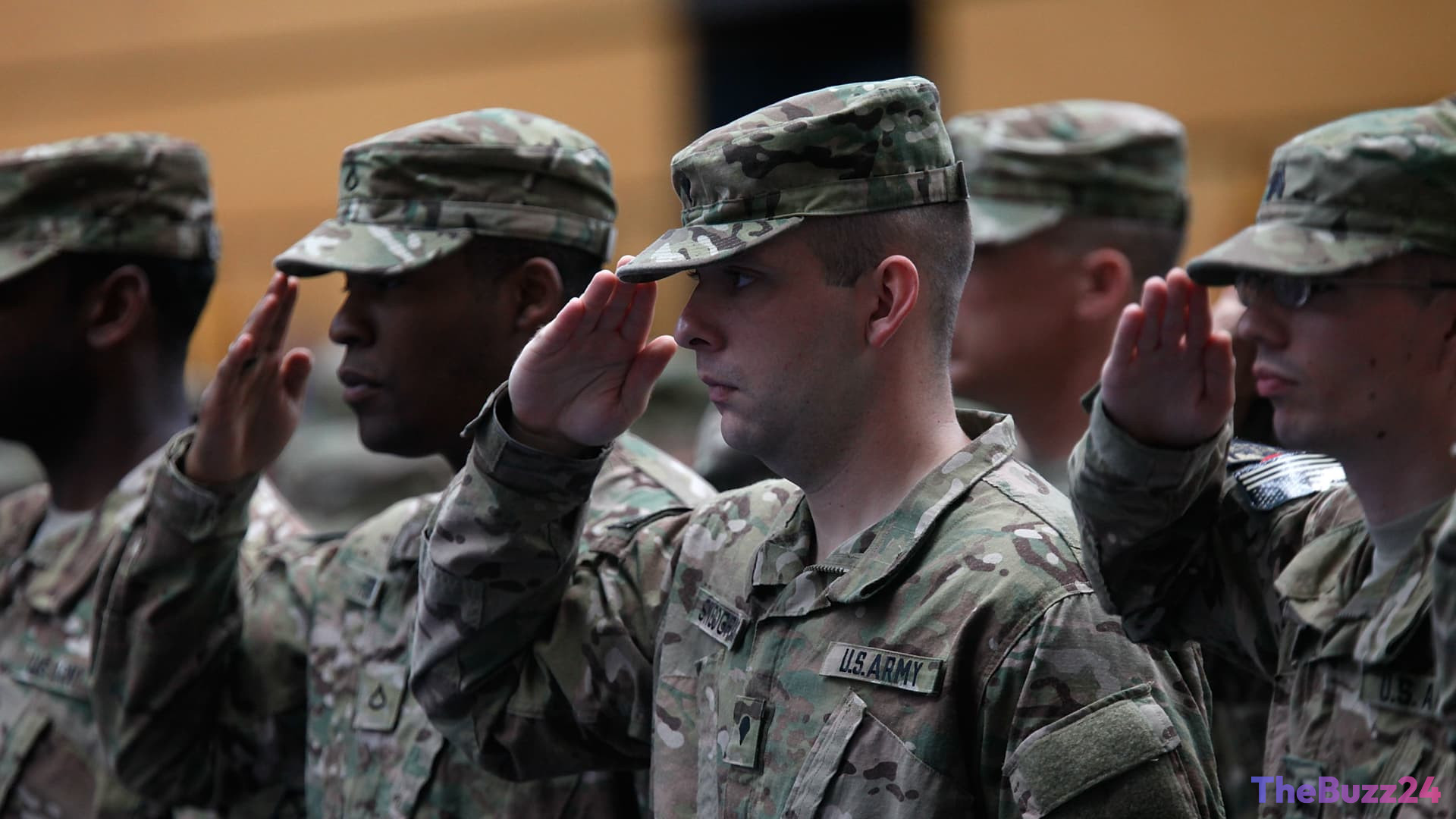
The United States is currently conducting a comprehensive review of its military footprint in Germany, a move that could fundamentally alter the security landscape of Europe. With approximately 36,000 active-duty personnel stationed across the nation, Germany acts as the central hub for American military operations throughout Europe, Africa, and the Middle East. The potential for a significant troop reduction has sparked intense debate regarding the future of NATO’s defensive capabilities and the stability of the transatlantic alliance.
Critical infrastructure, such as the Ramstein Air Base and the Grafenwoehr Training Area, serves as the backbone for American power projection. Military experts caution that any substantial withdrawal could create a security vacuum, potentially emboldening regional adversaries and weakening the collective defense posture that has defined the post-war era. The uncertainty surrounding these bases has left European allies concerned about their long-term vulnerability.
This strategic review coincides with a period of heightened diplomatic tension between Washington and Berlin. Relations have been strained following public criticism from Chancellor Friedrich Merz regarding American-led diplomatic efforts in the Middle East. The White House responded with sharp skepticism toward Germany’s economic stability and its approach to international nuclear security, highlighting a growing divide in foreign policy priorities.
Despite the public exchange of critiques, both governments are working to stabilize the relationship. Chancellor Merz recently stated that his professional engagement with American leadership remains functional, suggesting that both nations are attempting to compartmentalize these policy disagreements to prevent a broader breakdown in cooperation.
Key Takeaways
- The U.S. is reviewing its military presence in Germany, which currently hosts 36,000 active-duty personnel.
- Key logistical hubs like Ramstein Air Base are essential for U.S. operations in Europe, Africa, and the Middle East.
- Diplomatic friction between Chancellor Merz and the White House has complicated the strategic assessment of these military assets.
Editor’s Analysis & Impact
The potential realignment of U.S. forces in Germany represents a pivotal moment for transatlantic relations. Beyond the immediate logistical concerns, this shift signals a move toward a more transactional era of international security. If the U.S. proceeds with a significant drawdown, it will force European nations to accelerate their efforts toward strategic autonomy, potentially leading to a more fragmented NATO. The current diplomatic friction is not merely a personality clash but a reflection of diverging national interests regarding regional stability and economic priorities. Moving forward, the ability of both nations to reconcile these differences will determine whether the alliance remains a cohesive unit or evolves into a looser coalition of states with shifting geopolitical alignments. The outcome of this review will likely set the tone for Western security policy for the next decade.
Frequently Asked Questions
Q: Why is the U.S. military presence in Germany considered strategically important?
A: Germany hosts critical logistical hubs like Ramstein Air Base, which are essential for supporting U.S. military operations across Europe, Africa, and the Middle East.
Q: What has caused the recent diplomatic tension between the U.S. and Germany?
A: Tensions rose after Chancellor Friedrich Merz publicly criticized American diplomatic efforts in the Middle East, leading to a reciprocal rebuke from the White House regarding Germany's economic and security policies.
AI Disclosure: This article is based on verified data and official reports. Our Team and AI have cross-referenced every financial detail with primary sources to ensure total accuracy.
More from this Category