Global Energy Markets Face Volatility as Oil Prices Hit Four-Year Peak
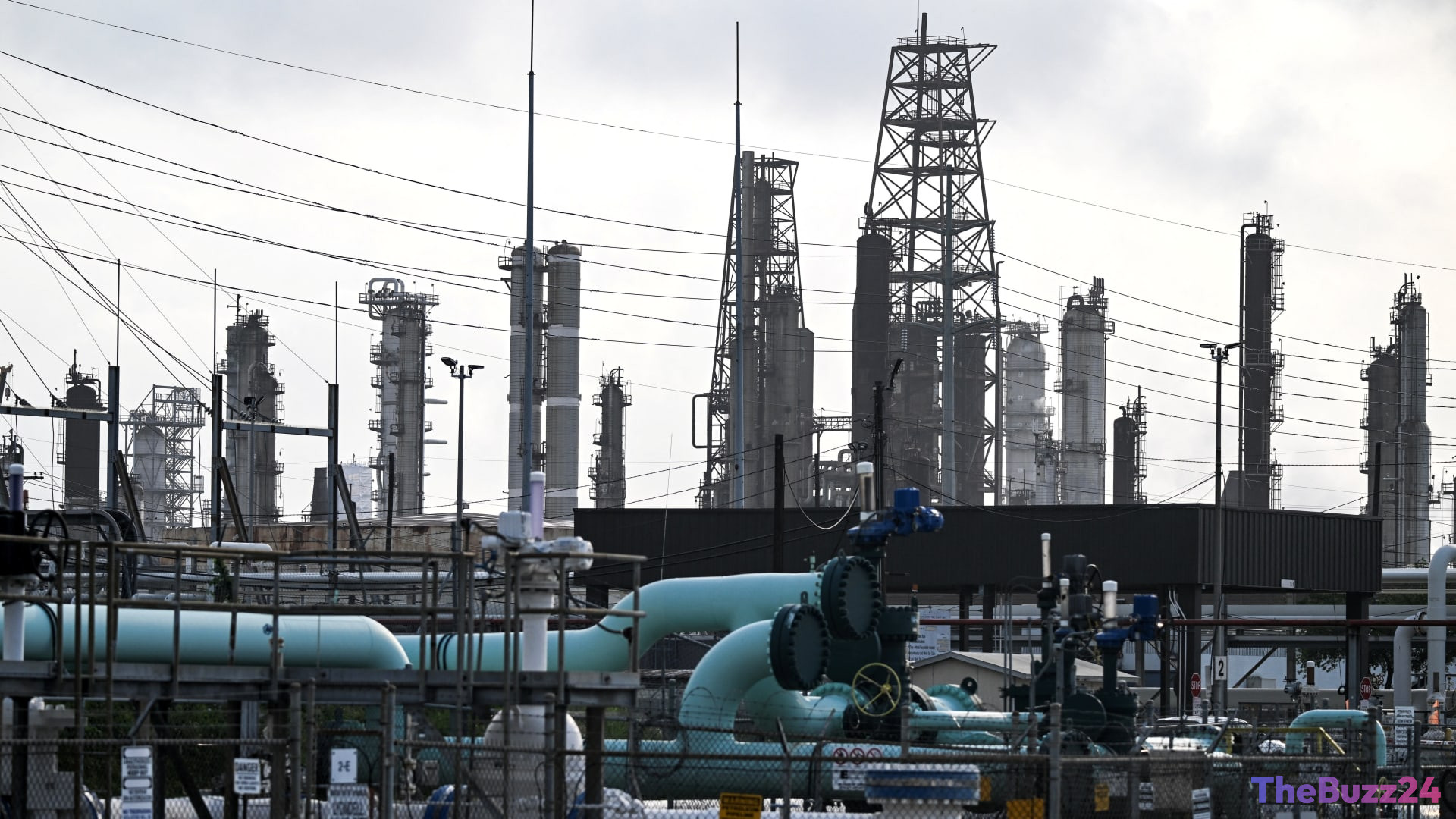
Global energy markets have reached a critical juncture this week, with Brent crude futures surging to their highest valuation in four years. This sharp upward trend is primarily driven by heightening geopolitical tensions surrounding Iran, which have introduced significant instability into the international energy supply chain. As prices continue to fluctuate, there is growing apprehension among financial observers that the broader market is underestimating the potential for long-term economic disruption should these regional conflicts persist.
Currently, the oil market is experiencing a state of backwardation, a phenomenon where spot prices exceed future contract prices. This structure typically signals that traders are betting on a swift resolution to the current geopolitical friction. However, many analysts caution that this optimism may be misplaced, arguing that the investment community is failing to adequately price in the risks associated with a protracted period of instability in the Middle East.
Looking ahead, the potential for sustained energy production disruptions poses a serious threat to global inflation and equity market performance. While investors have largely remained fixated on the momentum of the current bull market, the geopolitical landscape serves as a volatile variable that could derail existing growth trajectories. The widening gap between current market pricing and the tangible risks of regional instability remains a primary concern for those monitoring long-term economic health.
Key Takeaways
- Brent crude oil prices have surged to a four-year high, driven by geopolitical tensions involving Iran.
- The oil market is currently in backwardation, suggesting traders expect a quick resolution to regional conflicts.
- Analysts warn that the market may be underestimating the long-term economic impact of a sustained energy supply disruption.
Editor’s Analysis & Impact
The current surge in oil prices highlights a precarious disconnect between market sentiment and geopolitical reality. While the prevalence of backwardation suggests that traders are pricing in a short-term resolution, the structural risks to the global economy are significant. If tensions in the Middle East escalate, the resulting supply chain shocks could trigger a resurgence in global inflation, forcing central banks to reconsider their monetary policy paths. Furthermore, equity markets—which have largely ignored these risks in favor of growth narratives—could face a sharp correction if energy costs remain elevated for an extended period. The broader implication is that energy security remains the ‘Achilles’ heel’ of the current economic recovery, and investors would be wise to hedge against the possibility that the current geopolitical volatility is not merely a temporary anomaly.
Frequently Asked Questions
Q: What does it mean when the oil market is in 'backwardation'?
A: Backwardation is a market condition where the current price of an asset is higher than the prices of contracts for future delivery. It often indicates a high demand for immediate supply or concerns about near-term shortages.
Q: How do geopolitical tensions in the Middle East affect global oil prices?
A: Because a significant portion of the world's oil production and transit occurs in or near the Middle East, any threat of conflict or instability in the region creates fear of supply chain disruptions, which typically drives up the price of crude oil.
AI Disclosure: This article is based on verified data and official reports. Our Team and AI have cross-referenced every financial detail with primary sources to ensure total accuracy.
More from this Category