Consumer Resilience Defies Energy Market Volatility
As geopolitical instability in the Middle East pushes crude oil prices to annual highs, the broader financial markets are bracing for potential shifts in consumer behavior. The rising cost of fuel, particularly concerning potential supply chain disruptions in the Strait of Hormuz, has historically served as a catalyst for reduced household spending. However, current market data suggests that the consumer sector is demonstrating a level of resilience that defies traditional economic expectations.
Analysts are observing a distinct trend where consumer staples continue to anchor market performance. Because these essential goods—ranging from household necessities to basic food items—remain in constant demand, they provide a defensive buffer against inflationary pressures. This stability allows investors to maintain exposure to the consumer sector while mitigating the risks typically associated with energy-driven volatility, as households continue to prioritize fundamental needs over non-essential purchases.
Beyond staples, recent retail performance metrics indicate that shoppers are maintaining consistent spending habits despite the uptick in gasoline prices. This unexpected strength has prompted a shift in sentiment, with many market participants re-evaluating consumer discretionary stocks that were previously considered undervalued. As the current earnings season unfolds, the primary focus for investors is identifying companies capable of managing increased operational costs while sustaining high levels of consumer engagement and brand loyalty.
While some institutional strategies involve hedging through energy and commodity markets to offset potential downturns, the prevailing outlook remains cautiously optimistic. The consensus among market observers is that the consumer trade remains viable, provided that companies can navigate the current inflationary environment. As the economic landscape stabilizes, investors are increasingly betting on a recovery in sectors that have been unfairly penalized by overly pessimistic market sentiment.
Key Takeaways
- Consumer staples are providing a defensive hedge against rising energy costs due to consistent demand for essential goods.
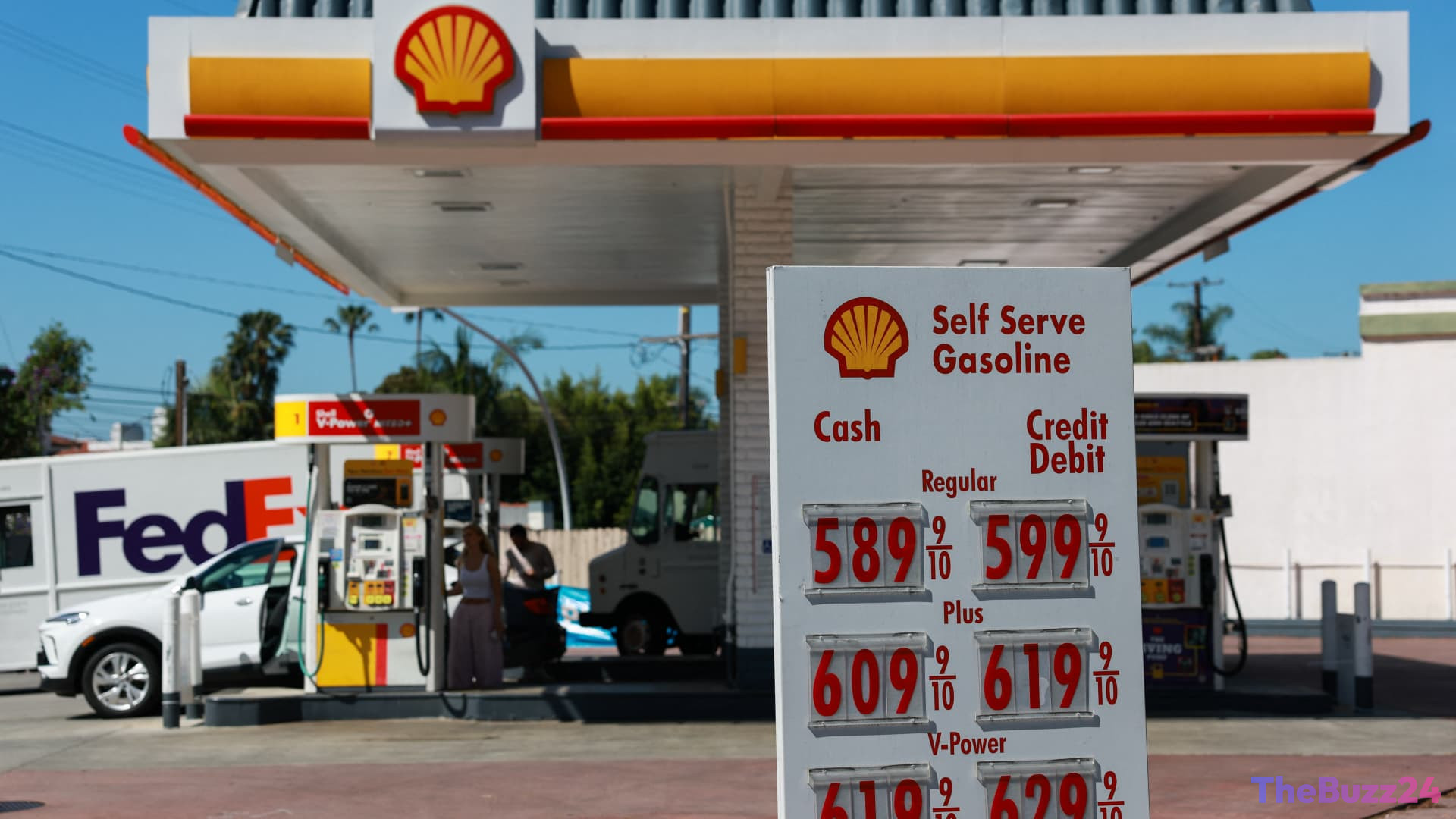
- Recent retail data shows surprising resilience in consumer spending despite higher fuel prices at the pump.
- Investors are shifting focus toward undervalued consumer discretionary stocks that demonstrate strong operational efficiency.
Editor’s Analysis & Impact
The current market dynamic highlights a decoupling between energy-driven inflation and consumer behavior. Historically, high oil prices acted as a direct tax on the consumer, leading to immediate pullbacks in discretionary spending. However, the current resilience suggests that household balance sheets may be stronger than anticipated, or that consumers have adjusted their budgets to absorb energy shocks. From an industry perspective, this creates a ‘flight to quality’ where investors favor companies with strong pricing power—those that can pass on costs without losing market share. Looking ahead, the sustainability of this trend depends on whether energy prices stabilize or continue to climb. If the latter occurs, we may see a bifurcation in the retail sector, where premium brands struggle while value-oriented retailers thrive. The broader implication is that the consumer sector remains a critical barometer for economic health, potentially signaling a soft landing despite geopolitical headwinds.
Frequently Asked Questions
Q: Why are consumer staples considered a defensive investment during energy spikes?
A: Consumer staples represent essential goods that people need regardless of the economic climate. Because demand for these items is inelastic, companies in this sector are better positioned to maintain steady revenue even when fuel costs rise.
Q: How do rising oil prices typically affect consumer discretionary stocks?
A: Typically, higher oil prices increase transportation and production costs, which can lead to lower profit margins for companies and reduced disposable income for consumers, often causing discretionary stocks to underperform.
AI Disclosure: This article is based on verified data and official reports. Our Team and AI have cross-referenced every financial detail with primary sources to ensure total accuracy.
More from this Category