Hertz Launches Oro Mobility to Manage Uber’s Growing Robotaxi Fleet
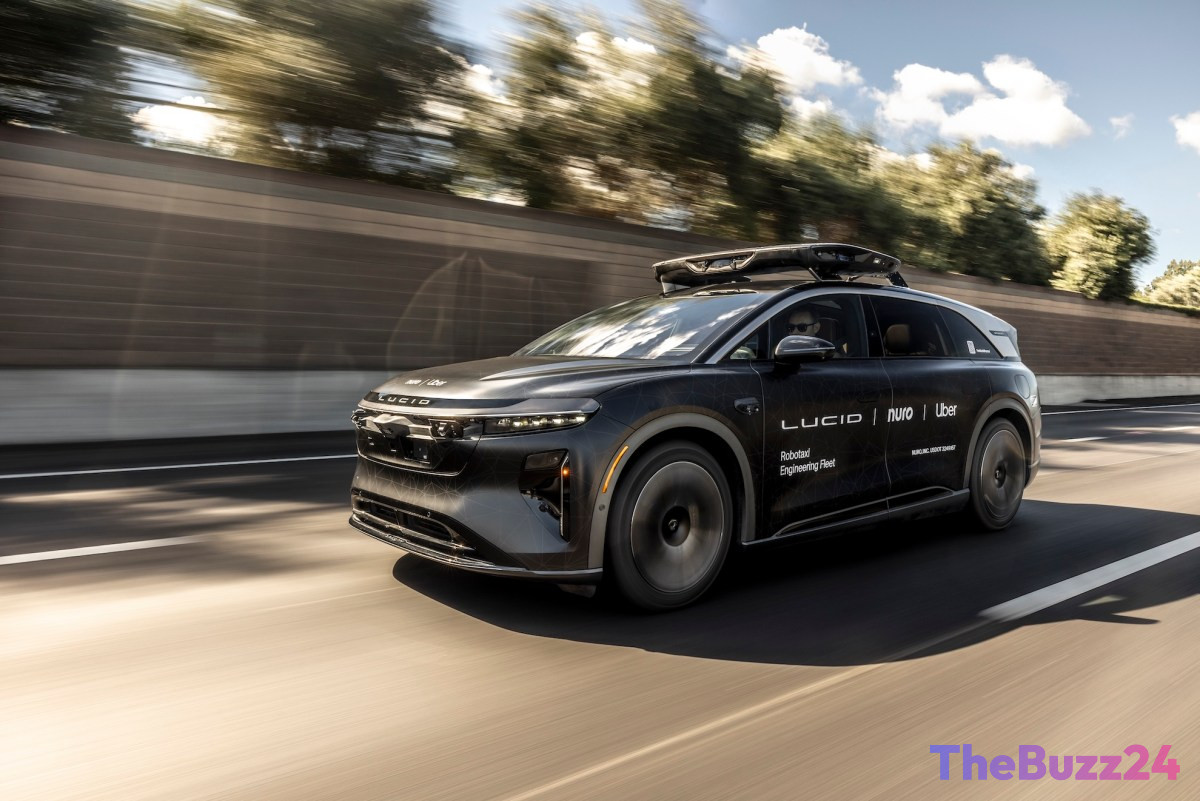
Hertz has announced a strategic partnership with Uber to provide comprehensive fleet management services for the ride-hailing giant’s upcoming autonomous vehicle operations. Through a newly formed affiliate named Oro Mobility, Hertz will oversee the day-to-day maintenance, charging, cleaning, and depot staffing required to keep robotaxis operational. The initiative is scheduled to debut in the San Francisco Bay Area by the end of 2026, utilizing Lucid Gravity SUVs equipped with Nuro’s self-driving technology.
This collaboration marks a significant pivot for Hertz, which is positioning Oro Mobility to address the operational complexities inherent in managing commercial autonomous fleets. By handling the logistical burden of vehicle upkeep, Hertz aims to fill a critical gap in the transition from personally owned vehicles to large-scale, commercially operated robotaxi networks. The companies have already signaled intentions to explore further expansion of this service model beginning in 2027.
Uber’s commitment to this partnership is substantial, as the company plans to integrate at least 35,000 robotaxi-ready vehicles from Lucid Motors into its platform over the coming years. This includes an initial rollout of 10,000 Gravity SUVs, followed by an additional 25,000 units based on Lucid’s future mid-sized platform. Uber has also solidified its stake in this ecosystem by acquiring an 11% ownership interest in Lucid Motors, underscoring its long-term strategy to dominate the autonomous ride-sharing market.
Key Takeaways
- Hertz has established a new subsidiary, Oro Mobility, specifically to manage the maintenance and operations of autonomous vehicle fleets.
- The partnership with Uber will launch in the San Francisco Bay Area in 2026, featuring Lucid Gravity SUVs integrated with Nuro autonomous technology.
- Uber has committed to ordering 35,000 vehicles from Lucid Motors and holds an 11% stake in the automaker to support its robotaxi expansion.
Editor’s Analysis & Impact
The launch of Oro Mobility represents a calculated attempt by Hertz to pivot toward high-margin fleet management services, moving away from the volatility of consumer EV rentals. By positioning itself as the ‘back-office’ for autonomous operators, Hertz is leveraging its existing infrastructure to solve the ‘orchestration gap’ that plagues early-stage robotaxi deployments. This move is strategically sound; as autonomous technology matures, the barrier to entry shifts from software development to physical fleet maintenance and logistics. If successful, this model could provide Hertz with a stable, recurring revenue stream that is less susceptible to the price wars and depreciation issues that hampered its previous EV rental initiatives. However, the success of this venture remains tethered to the regulatory and technical readiness of the autonomous vehicles themselves, as well as the ability to scale depot operations efficiently in dense urban environments.
Frequently Asked Questions
Q: What is the purpose of Oro Mobility?
A: Oro Mobility is a new Hertz affiliate designed to provide integrated fleet management solutions, including charging, maintenance, cleaning, and depot staffing for commercial autonomous vehicle fleets.
Q: When and where will the Uber and Hertz robotaxi service begin?
A: The service is scheduled to launch by the end of 2026, with initial operations focused on the San Francisco Bay Area.
AI Disclosure: This article is based on verified data and official reports. Our Team and AI have cross-referenced every financial detail with primary sources to ensure total accuracy.
More from this Category