NASA and Space Force Launch STORIE Mission to Decode Earth’s Magnetic Ring
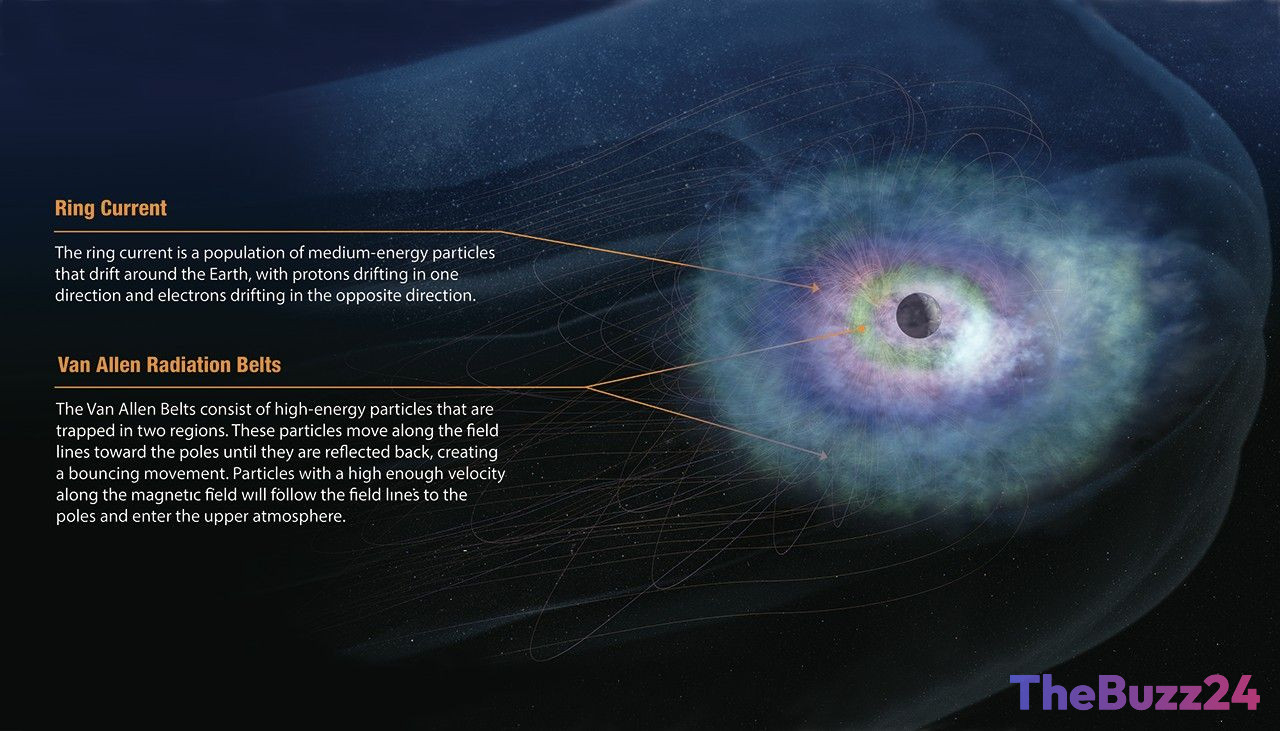
Earth is enveloped by a massive, doughnut-shaped zone of trapped, electrically charged particles known as the ring current. This region serves as a primary interface between our planet and the volatile environment of space, yet its internal mechanics have remained largely elusive. To address this, the Storm Time O+ Ring current Imaging Evolution (STORIE) mission is set to launch, promising a new era of observation for this complex magnetic structure.
Set for a May launch aboard a SpaceX resupply flight, the STORIE instrument is designed to be mounted on the exterior of the International Space Station. This collaboration between NASA and the U.S. Space Force utilizes a unique equatorial vantage point, allowing the mission to look outward and monitor particle dynamics that were previously inaccessible. This perspective is vital for observing how the ring current behaves during intense solar activity, providing a clearer picture of the interaction between solar energy and Earth’s magnetic field.
Protecting modern infrastructure is a primary driver for this mission. When solar storms strike, the ring current can surge, creating geomagnetic disturbances that threaten power grids, pipelines, and satellite communications. Furthermore, these events can increase atmospheric drag, endangering orbiting spacecraft. By determining whether particle accumulation occurs through steady, gradual flows or sudden, violent bursts, scientists aim to refine space weather forecasting models to better mitigate these risks.
To map this invisible phenomenon, STORIE will detect energetic neutral atoms (ENAs) generated when charged particles collide with the upper atmosphere. By specifically tracking oxygen-based ENAs, researchers hope to pinpoint the source of these particles, distinguishing whether they originate from the solar wind or Earth’s own ionosphere. The six-month mission is expected to yield critical data that will enhance our understanding of the terrestrial magnetic environment.
Key Takeaways
- The STORIE mission will utilize the International Space Station as a platform to monitor Earth's ring current and its reaction to solar activity.
- Data from the mission is intended to improve space weather forecasting, which is essential for protecting power grids and satellite infrastructure.
- By analyzing oxygen-based energetic neutral atoms, scientists will determine if the ring current's particles come from solar wind or Earth's ionosphere.
Editor’s Analysis & Impact
The STORIE mission marks a pivotal shift toward localized, high-precision space weather monitoring. As global infrastructure becomes increasingly dependent on satellite-based communication and interconnected power grids, the ability to predict geomagnetic disturbances has evolved from a scientific curiosity into a vital economic and national security priority. By identifying the specific origins of ring current particles, this mission provides the empirical foundation necessary to upgrade existing forecasting models. The implications for the aerospace and telecommunications sectors are profound; enhanced predictive capabilities will allow operators to implement more effective mitigation strategies, potentially saving billions in infrastructure damage and operational downtime caused by solar-induced events.
Frequently Asked Questions
Q: Why is the ring current important to Earth?
A: The ring current is a region of charged particles that interacts with solar activity. When solar storms occur, this current can intensify, leading to magnetic disturbances that can damage power grids, pipelines, and satellite operations.
Q: How will the STORIE instrument collect data?
A: The instrument will be mounted on the exterior of the International Space Station to capture energetic neutral atoms (ENAs), which are produced when charged particles collide with the upper atmosphere.
AI Disclosure: This article is based on verified data and official reports. Our Team and AI have cross-referenced every financial detail with primary sources to ensure total accuracy.
More from this Category