Grounded: Spirit Airlines Prepares for Shutdown After Bailout Talks Collapse
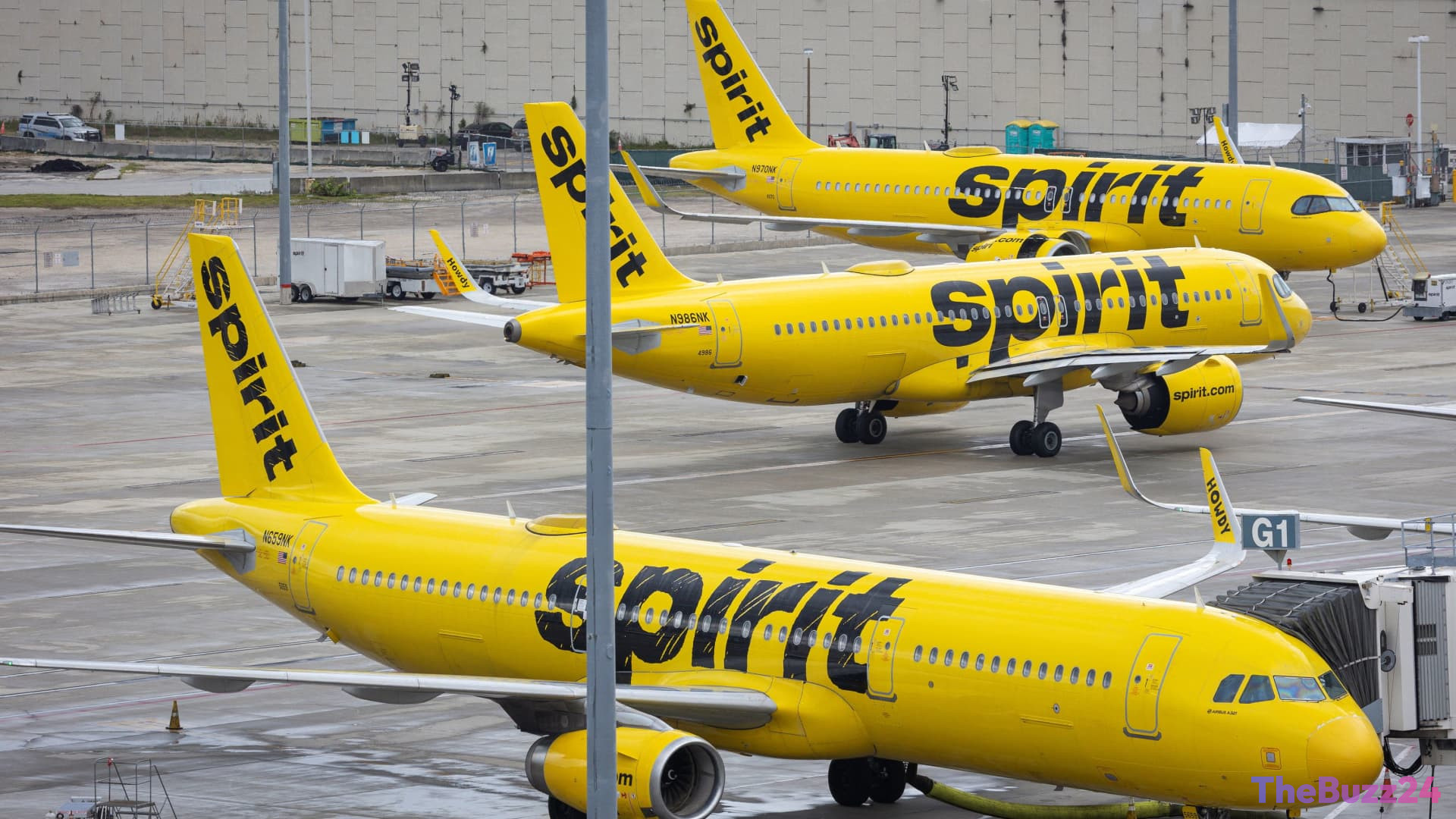
Spirit Airlines is on the verge of halting all operations after failing to secure a crucial financial lifeline. The pioneer of the ultra-low-cost carrier model in the United States is preparing for a potential shutdown as early as Saturday morning. This development comes amid the airline’s second bankruptcy filing in less than a year, compounded by a sharp increase in jet fuel prices driven by ongoing geopolitical tensions in the Middle East.
The final blow to the carrier’s survival came after negotiations for a government-backed rescue package fell through. The Trump administration had proposed a $500 million loan that would have granted the federal government up to a 90% equity stake in the Florida-based airline. However, talks with bondholders collapsed because existing lenders reportedly blocked the deal, fearing they would lose priority status in repayment.
In anticipation of a sudden halt in Spirit’s flights, rival carriers are stepping in to assist stranded travelers and airline crews. Major airlines, including United, American, JetBlue, and Frontier, have announced contingency plans. American Airlines has already implemented fare caps on routes that overlap with Spirit’s nonstop services, while others are offering alternative flight options to minimize travel disruptions.
Spirit’s impending liquidation marks the end of an era for U.S. budget travel. While the airline successfully popularized the “unbundled” fare model—charging low base rates and adding fees for carry-ons and seat selection—it struggled in recent years. A combination of rising labor costs, a major engine recall, shifting consumer preferences toward premium travel, and a blocked merger with JetBlue Airways ultimately left the carrier with unsustainable cash reserves.
Key Takeaways
- Spirit Airlines is preparing for an imminent shutdown after failing to secure a critical financial bailout.
- A proposed $500 million government loan collapsed due to disagreements with existing bondholders over repayment priority.
- Competitors like American, United, JetBlue, and Frontier are implementing emergency measures, including fare caps, to assist stranded passengers.
Editor’s Analysis & Impact
The collapse of Spirit Airlines represents a watershed moment for the domestic aviation industry, signaling the potential end of the ultra-low-cost carrier (ULCC) business model as we know it. Spirit’s aggressive unbundled pricing strategy democratized air travel for millions, but the model proved highly vulnerable to macroeconomic shocks, including soaring fuel costs and shifting consumer preferences toward premium experiences. The blocked merger with JetBlue by federal regulators further isolated Spirit, leaving it without a strategic partner to weather these headwinds. In the short term, consumers will likely face reduced competition and higher ticket prices, particularly on leisure routes previously dominated by Spirit. Long-term, this exit may pave the way for legacy carriers to consolidate their market share, while forcing remaining budget airlines to radically rethink their pricing and operational strategies to survive.
Frequently Asked Questions
Q: Why is Spirit Airlines shutting down?
A: Spirit Airlines is shutting down due to severe financial distress, a failed government bailout negotiation, rising jet fuel costs, and unsustainable debt levels following its second bankruptcy filing in under a year.
Q: What should Spirit passengers do if their flights are canceled?
A: Affected passengers should look to rival airlines like American, United, JetBlue, and Frontier, which are offering alternative flight options and capping fares on overlapping routes to assist stranded travelers.
Q: What happened to the proposed government bailout?
A: The Trump administration offered a $500 million loan in exchange for a major equity stake, but the deal collapsed because other lenders and bondholders blocked it over concerns regarding repayment priority.
AI Disclosure: This article is based on verified data and official reports. Our Team and AI have cross-referenced every financial detail with primary sources to ensure total accuracy.
More from this Category