Tensions Flare in Strait of Hormuz as U.S. Denies Iranian Missile Strike Claims and Launches ‘Project Freedom’
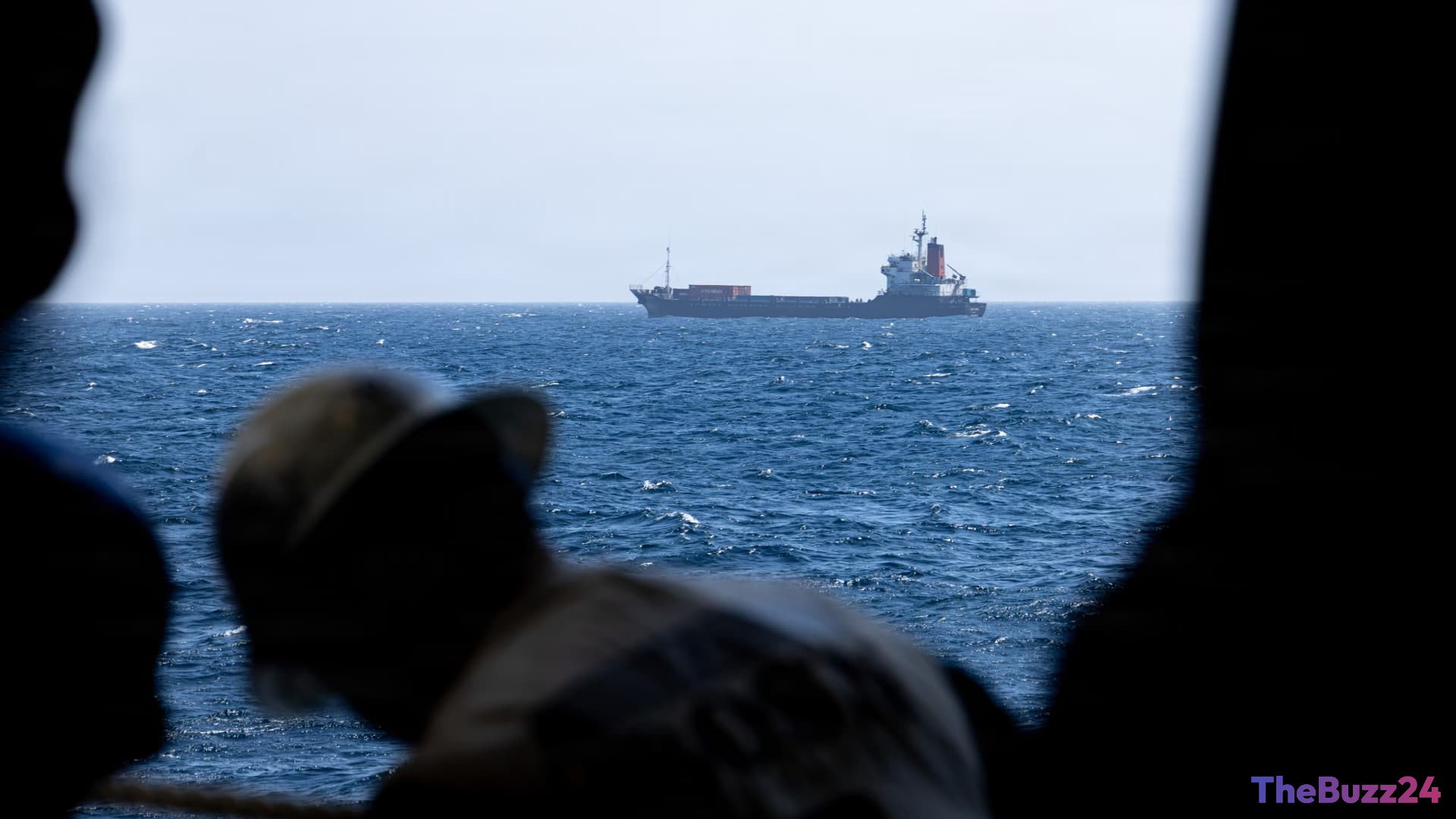
U.S. Central Command (CENTCOM) has officially refuted claims made by Iranian state media asserting that an American warship was struck by missiles in the strategic Strait of Hormuz. According to military officials, no U.S. Navy vessels have sustained damage or been forced to retreat. Instead, American guided-missile destroyers are actively operating in the Arabian Gulf to secure the passage of commercial shipping under a newly launched military initiative dubbed “Project Freedom.”
Announced by President Donald Trump, Project Freedom aims to break the de facto blockade imposed by Iran on the Strait of Hormuz, which has left numerous international commercial vessels stranded. The operation commenced with the successful escort of two U.S.-flagged merchant ships through the highly contested waterway. Trump emphasized that the mission is a humanitarian effort designed to assist uninvolved nations and businesses caught in the geopolitical crossfire, though he warned that any interference with the operation would be met with decisive military force.
The denial from CENTCOM directly contradicts reports from Iranian media outlets, which claimed that a U.S. frigate was targeted and struck twice by missiles after allegedly ignoring warnings from naval forces aligned with the Islamic Revolutionary Guard Corps. Iranian reports insisted the vessel was heavily damaged and forced to flee the area. However, U.S. defense officials maintained that naval operations are proceeding as planned, with American forces actively enforcing a counter-blockade on Iranian ports to pressure Tehran into diplomatic negotiations.
The Strait of Hormuz is one of the world’s most critical maritime chokepoints, historically accounting for the transit of approximately 20 percent of global oil supplies. The ongoing blockade and subsequent military posturing have triggered severe energy supply shocks, driving up global fuel prices and injecting deep uncertainty into international financial markets. While a fragile ceasefire remains in place, the deployment of Project Freedom highlights the escalating stakes as the U.S. seeks to restore commercial navigation while maintaining economic pressure on Iran.
Key Takeaways
- U.S. Central Command denied Iranian claims that a U.S. warship was struck by missiles and forced to retreat in the Strait of Hormuz.
- The U.S. military has launched 'Project Freedom,' an escort operation initiated by President Donald Trump to safely guide stranded commercial vessels through the blockaded strait.
- The Strait of Hormuz remains a highly volatile flashpoint, with its de facto closure causing significant global energy supply shocks and market instability.
Editor’s Analysis & Impact
The escalation in the Strait of Hormuz underscores the fragile state of global energy security. As a chokepoint responsible for a fifth of the world’s petroleum transit, any prolonged disruption directly translates to volatility in global oil markets and inflationary pressures worldwide. ‘Project Freedom’ represents a high-stakes gamble by the Trump administration; while aimed at restoring commercial shipping and asserting maritime freedom, the deployment of armed escorts increases the risk of direct military miscalculation. If Iran decides to test American resolve, the shaky ceasefire could collapse entirely, dragging global markets into a deeper energy crisis. Investors should brace for continued fluctuations in energy stocks and commodity prices as long as this vital corridor remains contested.
Frequently Asked Questions
Q: What is Project Freedom?
A: Project Freedom is a U.S. military initiative announced by President Donald Trump to escort and safely guide commercial and merchant vessels through the Strait of Hormuz, bypassing the de facto blockade imposed by Iranian forces.
Q: Did an Iranian missile strike actually hit a U.S. warship?
A: No. U.S. Central Command (CENTCOM) officially denied these claims, stating that no U.S. Navy ships have been struck and that operations in the region are continuing as planned.
Q: Why is the Strait of Hormuz so important?
A: The Strait of Hormuz is a vital global maritime chokepoint through which approximately 20% of the world's oil supply transits. Blockades or disruptions in this area have immediate, severe impacts on global energy prices and market stability.
AI Disclosure: This article is based on verified data and official reports. Our Team and AI have cross-referenced every financial detail with primary sources to ensure total accuracy.
More from this Category